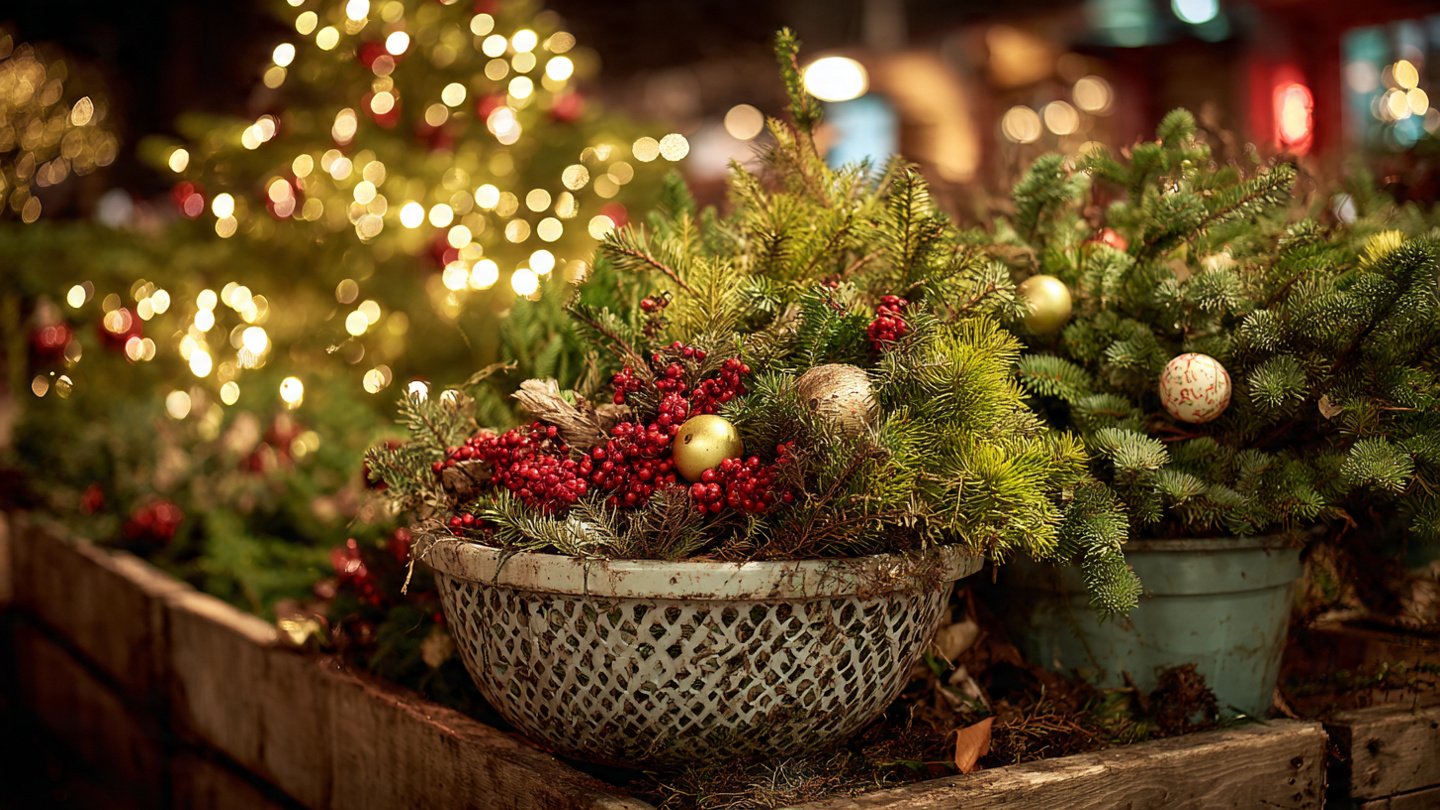
When the holidays end, millions of Christmas trees are taken down and dragged to the curb, mulched by municipalities, or—by well-meaning gardeners—added to compost piles. At first glance, composting a Christmas tree feels like the ultimate eco-friendly gesture. After all, it’s a natural product, biodegradable, and destined to return to the soil. What could be more sustainable?
Yet for many gardeners, composting a Christmas tree can quietly turn into a disaster—damaging soil balance, stunting plant growth, and introducing toxins or pests into garden beds. While composting a tree isn’t inherently wrong, doing it incorrectly can cause far more harm than good.
Understanding why Christmas trees can be problematic in compost—and how to handle them safely—can save your garden from long-term trouble.
Why Composting a Christmas Tree Sounds Like a Good Idea
Real Christmas trees are typically fir, pine, or spruce—trees that grow naturally and decompose in forests. From a sustainability perspective, composting them seems logical:
- They divert organic waste from landfills
- They return carbon and nutrients to the soil
- They reduce the need for synthetic mulches or soil amendments
In theory, composting a Christmas tree aligns perfectly with eco-conscious gardening. In practice, however, gardens are not forests, and compost piles are not forest floors.
The Problem With Evergreen Trees in Compost
1. Extremely Slow Decomposition
Evergreen trees decompose very slowly. Their needles and wood are dense, resinous, and designed by nature to resist breakdown. In a backyard compost pile, this can cause serious imbalance.
Large chunks of branches or trunk can take years to fully decompose. During that time, they absorb nitrogen from the compost as microbes work to break them down. This process—known as nitrogen immobilization—can leave your finished compost nutrient-poor.
When that compost is added to garden beds, plants may show signs of nitrogen deficiency: yellowing leaves, stunted growth, and poor yields.
2. Acidic Residue That Can Stress Plants
Pine and fir needles are often blamed for making soil acidic. While fresh needles are not as acidic as commonly believed, large quantities of evergreen material can still lower soil pH over time.
This becomes a problem when compost is applied to plants that prefer neutral or alkaline soil. Vegetables, many perennials, and flowering plants may struggle in compost that has shifted the soil chemistry.
The result? Poor nutrient uptake, weak root systems, and reduced flowering or fruiting.
3. Chemical Treatments on Commercial Trees
One of the most overlooked dangers is chemical residue. Many commercially grown Christmas trees are treated with:
- Pesticides
- Herbicides
- Anti-desiccant sprays to reduce needle drop
These chemicals may be approved for agricultural use, but they are not designed for compost systems. Composting does not always break them down completely, especially in small or cool piles.
When contaminated compost is spread through the garden, it can harm beneficial soil organisms, damage sensitive plants, or disrupt the microbial balance essential for healthy soil.
4. Resins and Oils Can Inhibit Plant Growth
Evergreen trees produce natural resins and oils that protect them from insects and disease. While useful for the tree, these compounds can interfere with plant growth when concentrated in compost.
Fresh pine resins can inhibit seed germination and root development, particularly in young seedlings. If compost containing partially decomposed evergreen material is used too soon, it may act more like a plant suppressant than a fertilizer.
5. Pests and Pathogens Hitching a Ride
Christmas trees often spend weeks indoors, where they may host insects, spider mites, or fungal spores. When added directly to compost piles, these organisms can survive and spread.
Outdoor compost piles placed near gardens can become breeding grounds for pests that later migrate to vegetable beds or ornamental plants.
When Composting a Christmas Tree Can Work
Composting a Christmas tree isn’t always a mistake—it just requires time, preparation, and restraint.
Shredding Is Essential
Whole branches or trunks should never go straight into compost. Shredding the tree into small chips dramatically speeds decomposition and reduces nitrogen drain.
Wood chippers or municipal shredding programs are ideal for this step.
Balance With High-Nitrogen Materials
Evergreen material must be offset with nitrogen-rich inputs such as:
- Kitchen scraps
- Fresh grass clippings
- Manure or green plant waste
This balance helps microbes break down woody material without robbing the compost of essential nutrients.
Extended Composting Time
Compost containing Christmas tree material should age for at least 12–24 months before being used in planting beds. This allows resins to break down and nutrients to stabilize.
Using it too early is one of the most common—and damaging—mistakes gardeners make.
Better Eco-Friendly Alternatives to Composting
If composting feels risky, there are safer and equally sustainable options.
Use as Mulch for Paths and Trees
Shredded Christmas trees make excellent mulch for garden paths, around established trees, or in woodland-style areas. Here, slow decomposition is an advantage, not a drawback.
Wildlife Habitat
Branches can be stacked to create shelter for birds and beneficial insects. This supports biodiversity without affecting soil chemistry.
Municipal Recycling Programs
Many cities offer post-holiday tree recycling, where trees are professionally chipped and used for erosion control or public landscaping.
Firewood or Kindling (Where Allowed)
In some areas, untreated trees can be dried and used as kindling—though resin-heavy wood should be used cautiously and safely.
How to Protect Your Garden If You Already Composted a Tree
If you’ve already added a Christmas tree to your compost and used it in your garden, don’t panic—but do observe closely.
- Watch for signs of nitrogen deficiency
- Avoid planting sensitive seedlings in affected soil
- Add extra compost or nitrogen-rich amendments if needed
- Test soil pH before planting the following season
Most problems can be corrected with time and careful soil management.
Sustainability Requires Strategy
Composting your Christmas tree may feel like the most environmentally responsible choice—but sustainability isn’t just about good intentions. It’s about understanding biological processes and making informed decisions.
A Christmas tree can absolutely be reused in eco-friendly ways. But when rushed into compost without preparation, it can quietly sabotage soil health and plant vitality for seasons to come.
True sustainable gardening means choosing methods that support both the planet and your plants. Sometimes, the greenest option isn’t the most obvious one.