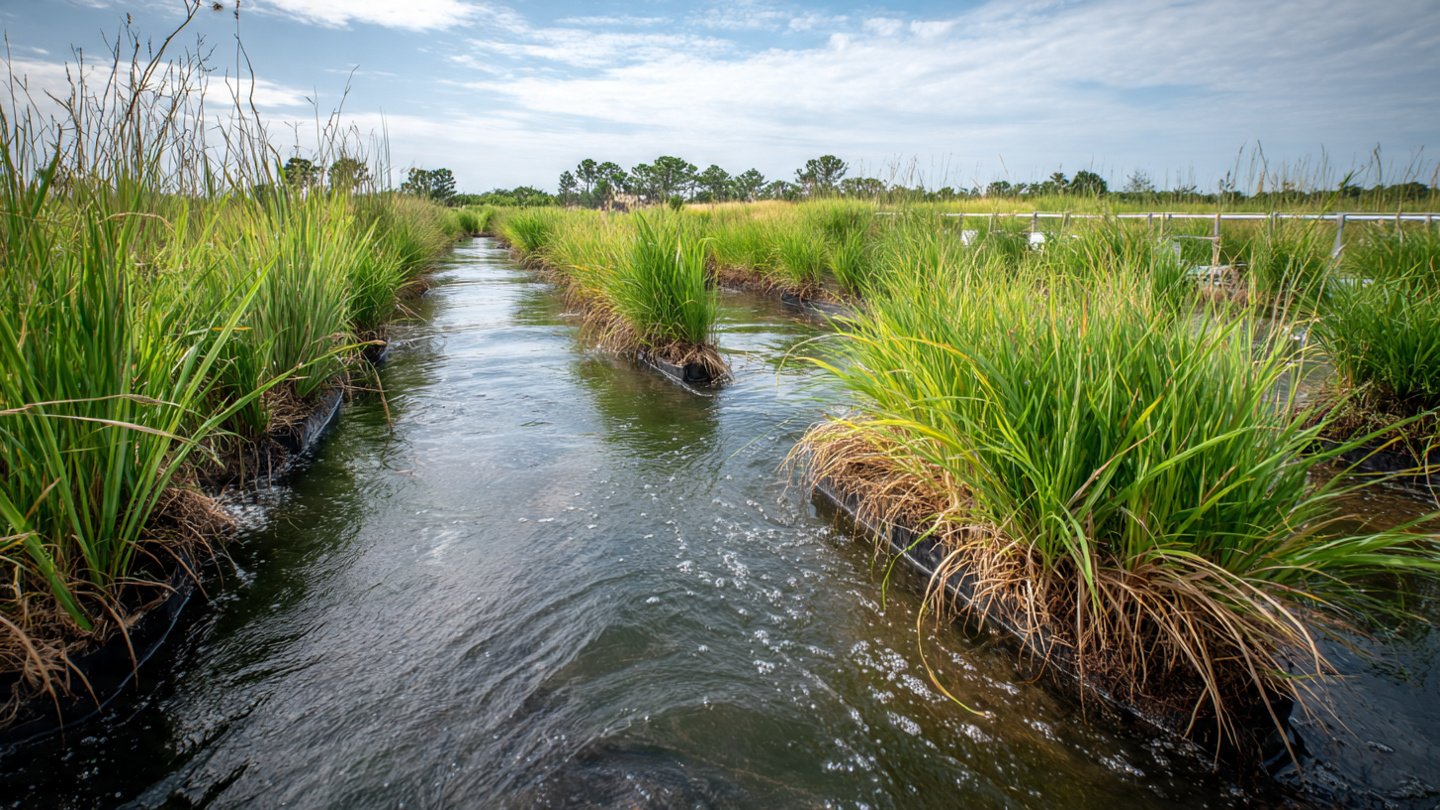
As climate change accelerates and global populations rise, agriculture is facing pressures unlike any in human history. Freshwater scarcity, rising sea levels, and increasing soil salinity are rendering millions of hectares of farmland unproductive. In response, researchers around the world are pioneering a revolutionary solution: breeding plants specifically designed to survive—and even thrive—in saltwater conditions. These salt-tolerant crops are not just a scientific curiosity; they are reshaping how we think about farmland, food security, and the landscapes of the future.
What once seemed impossible—growing crops with saline water or on salt-damaged soils—is now becoming a viable agricultural strategy.
The Growing Threat of Soil Salinity
Soil salinization is one of the most serious yet underrecognized threats to global agriculture. It occurs when salts accumulate in the soil, often due to irrigation with mineral-rich water, poor drainage, seawater intrusion, or rising water tables.
Salinity affects more than:
- 20% of irrigated farmland worldwide
- Coastal agricultural regions exposed to sea-level rise
- Arid and semi-arid landscapes dependent on irrigation
Excess salt disrupts plants’ ability to absorb water and nutrients, leading to reduced yields, stunted growth, and eventual crop failure. Traditional crops like wheat, rice, and maize are particularly sensitive to salt stress.
Why Freshwater Farming Alone Is No Longer Enough
Agriculture currently consumes about 70% of the world’s freshwater supply. As climate change intensifies droughts and alters rainfall patterns, freshwater resources are becoming increasingly unreliable.
Relying solely on freshwater for farming presents serious challenges:
- Competition between agriculture, cities, and ecosystems
- Rising costs of irrigation
- Reduced resilience to climate extremes
Saltwater-resilient crops offer a way to expand food production without further straining limited freshwater supplies.
What Are Saltwater-Resilient Plants?
Saltwater-resilient plants, often referred to as halophytes or salt-tolerant crops, are bred or selected for their ability to grow in saline environments. These plants possess specialized traits that allow them to cope with high salt levels, such as:
- Excreting excess salt through leaves
- Storing salt in non-essential tissues
- Adjusting cellular chemistry to retain water
- Developing deeper or more efficient root systems
Researchers use a combination of traditional breeding, genetic selection, and modern biotechnology to enhance these traits in edible and economically valuable crops.
How Researchers Are Breeding for Salt Tolerance
Rather than starting from scratch, scientists often work with existing plant varieties that show natural tolerance to saline conditions. These plants are crossbred with high-yield or nutritious crops to create resilient hybrids.
Key research approaches include:
- Selective breeding using salt-tolerant wild relatives
- Marker-assisted breeding to identify resilience genes
- Gene editing to improve stress-response pathways
- Field trials in saline soils and coastal zones
The goal is not just survival, but productivity—ensuring these crops can produce reliable yields under harsh conditions.
Transforming Marginal Lands into Productive Farms
One of the most promising aspects of saltwater-tolerant agriculture is its ability to reclaim land previously considered unusable. Saline soils, coastal flats, and degraded farmland can potentially be transformed into productive agricultural zones.
This redefinition of farmland means:
- Less pressure to clear forests or grasslands
- New opportunities for coastal and arid communities
- Increased food production without expanding land use
In some regions, farmers are already experimenting with crops irrigated using brackish or partially saline water, with encouraging results.
Crops Leading the Saltwater Revolution
Several crops are at the forefront of this agricultural shift:
- Salt-tolerant rice varieties that survive coastal flooding
- Quinoa, naturally resilient to salinity and drought
- Barley, one of the most salt-tolerant cereal grains
- Salicornia, a plant that can be grown with seawater and used as food, oil, or animal feed
As research advances, more staple crops are being adapted to saline conditions, bringing saltwater farming closer to mainstream adoption.
Environmental Benefits Beyond Food Production
Saltwater-resilient agriculture offers more than increased yields. It can also deliver environmental benefits when implemented responsibly.
Potential advantages include:
- Reduced freshwater extraction from rivers and aquifers
- Stabilization of coastal soils against erosion
- Carbon sequestration in rehabilitated soils
- Improved resilience of farming systems to climate change
By working with existing environmental conditions rather than fighting them, this approach promotes long-term sustainability.
Economic Opportunities for Vulnerable Regions
Many regions most affected by salinity are also economically vulnerable. Salt-tolerant crops offer new income streams for farmers who have seen their land productivity decline.
Benefits for local communities include:
- Diversified crops and markets
- Reduced crop failure risk
- Increased food security
- Potential for export-oriented niche products
In coastal and arid regions, saltwater farming could become a cornerstone of climate-resilient agriculture.
Challenges and Ethical Considerations
Despite its promise, saltwater-based agriculture is not without challenges. Developing resilient crops takes time, funding, and rigorous testing. There are also concerns around:
- Long-term soil health under saline irrigation
- Access to seeds and technology for small farmers
- Regulatory frameworks for genetically modified crops
- Balancing innovation with ecological protection
Addressing these concerns requires transparent research, inclusive policies, and farmer participation.
Redefining What Farmland Looks Like
Traditionally, fertile farmland has been associated with rich soils and abundant freshwater. Saltwater-resilient crops challenge this definition entirely. In the future, productive farms may include coastal zones, saline plains, and areas once written off as lost to climate change.
This shift represents more than a technological breakthrough—it’s a philosophical one. It reframes agriculture as an adaptive system capable of evolving alongside environmental change rather than being defeated by it.
Final Thoughts
By breeding plants designed to survive saltwater conditions, researchers are opening a new chapter in agricultural history. These innovations offer hope in the face of rising seas, water scarcity, and soil degradation, proving that food production does not have to be limited by traditional constraints.
As salt-tolerant crops move from experimental plots to real-world farms, they are redefining what farmland can be—and where it can exist. In a changing climate, this adaptability may be one of humanity’s most powerful tools for securing the future of food.