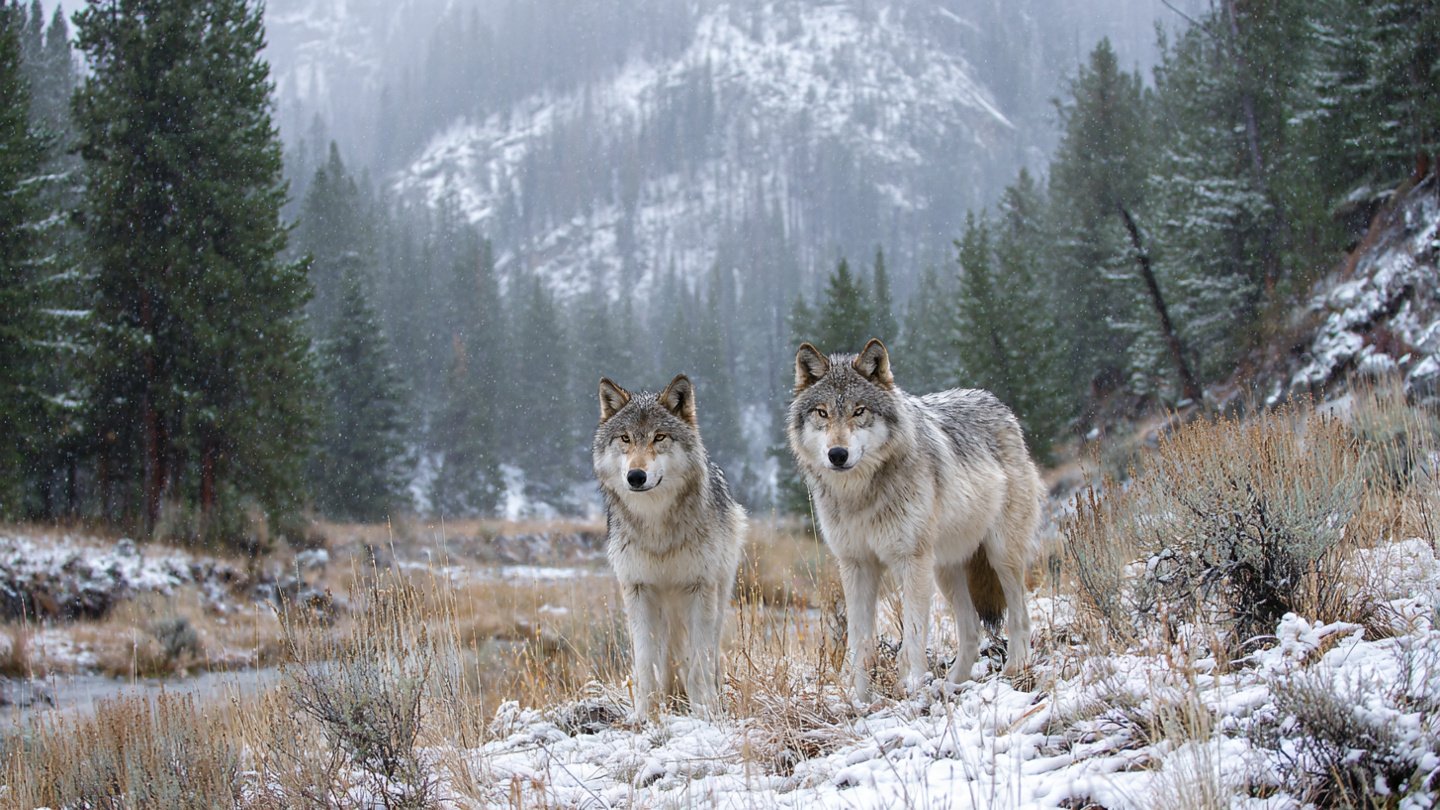
The reintroduction of wolves into Yellowstone National Park is widely regarded as one of the most powerful examples of how a single species can reshape an entire ecosystem. Once eliminated from the region, wolves returned decades later and set off a remarkable chain reaction—controlling elk populations, allowing forests to recover, and even stabilizing riverbanks. This phenomenon, known as a trophic cascade, demonstrates how restoring a top predator can bring balance back to nature.
The Absence of Wolves and an Unbalanced Landscape
By the early 20th century, wolves had been systematically hunted and eradicated from Yellowstone. Without this apex predator, elk populations surged. With no natural pressure to move frequently or avoid certain areas, elk grazed heavily along riverbanks and valleys.
Young willow, aspen, and cottonwood trees were eaten faster than they could regenerate. Over time, forests thinned, riverbanks weakened, and habitats for birds, beavers, and other species declined. The landscape became simpler, less diverse, and more fragile.
The Return of a Keystone Predator
In the mid-1990s, wolves were reintroduced to Yellowstone after a 70-year absence. Their return was controversial at first, raising concerns about livestock and tourism. But ecologists closely monitored the effects, and what followed surprised even seasoned researchers.
Wolves didn’t just reduce elk numbers—they changed elk behavior. Elk began avoiding open river valleys and lingering less in one place. This shift alone gave plants a chance to recover.
Wolves proved to be a keystone species, meaning their presence had an outsized influence on the ecosystem. Their impact extended far beyond predation.
Elk Populations Under Natural Control
Before wolves returned, elk populations had grown beyond what the land could sustainably support. Overgrazing damaged vegetation and soil structure. Wolves reintroduced a natural population check.
More importantly, elk became more alert and mobile. They stopped grazing riverbanks continuously and spent more time in higher elevations or wooded areas. This behavioral change reduced pressure on vulnerable plant species, especially young trees.
This balance between predator and prey restored a dynamic that had been missing for decades.
Forests Begin to Regrow
With reduced grazing pressure, willow, aspen, and cottonwood trees began to regenerate naturally. Saplings that once stood no chance suddenly survived long enough to mature.
As forests returned, biodiversity increased. Birds nested in growing trees, insects flourished, and shade cooled streams. The regrowth of vegetation also strengthened soil, reducing erosion and improving overall landscape stability.
This wasn’t the result of human replanting—it was nature healing itself once the missing piece was restored.
The Beaver Comeback
One of the most striking outcomes of forest recovery was the return of beavers. Willows and aspens are essential building materials and food sources for beavers, and their decline had previously forced beavers out of the area.
As trees returned, so did beavers. Their dams slowed water flow, created wetlands, and improved water retention across the landscape. These wetlands became habitats for fish, amphibians, birds, and countless other species.
Beavers amplified the ecological benefits initiated by wolves, showing how interconnected ecosystems truly are.
Stabilizing Riverbanks and Changing Rivers
Perhaps the most astonishing change occurred in Yellowstone’s rivers. With stronger root systems holding soil in place, riverbanks became more stable. Reduced erosion meant clearer water and more defined river channels.
In some areas, rivers even changed course—becoming less braided and more structured. Vegetation along the banks acted as natural reinforcement, preventing collapse during floods and improving water quality.
The idea that predators could indirectly influence river shape once seemed improbable. Yellowstone proved it possible.
Ripple Effects Across the Food Web
Wolves also affected other wildlife directly and indirectly. Coyotes declined due to competition, allowing populations of smaller mammals like rabbits and rodents to increase. This benefited birds of prey, foxes, and badgers.
Carrion left behind from wolf kills fed scavengers such as ravens, eagles, and bears, especially during harsh winters. Even plants benefited from nutrient cycling caused by carcasses returning minerals to the soil.
The ecosystem became more complex, resilient, and self-regulating.
Lessons for Conservation Worldwide
The Yellowstone wolf story reshaped how scientists and conservationists think about ecosystem management. It demonstrated that removing or restoring a single species can trigger profound changes across an entire environment.
Rather than relying solely on human intervention—such as culling populations or replanting forests—this case showed the power of letting natural systems function as intended.
Around the world, similar predator reintroduction efforts are now being considered or implemented, inspired by Yellowstone’s success.
Why This Story Matters Today
As habitats shrink and biodiversity declines globally, Yellowstone offers a hopeful message. Nature is not fragile by default—it is resilient when given the right conditions.
The return of wolves reminds us that conservation isn’t just about protecting individual species. It’s about restoring relationships—between predators and prey, plants and soil, rivers and forests.
Conclusion
The reintroduction of wolves to Yellowstone triggered one of the most remarkable ecological recoveries ever recorded. By controlling elk populations, forests were allowed to regrow. With forests came beavers, wetlands, wildlife diversity, and stabilized riverbanks.
This powerful example of a trophic cascade shows how deeply connected ecosystems are—and how restoring balance at the top can heal the land below. Yellowstone’s wolves didn’t just return to the park; they reshaped it, proving that when nature’s systems are whole, they work in extraordinary ways.