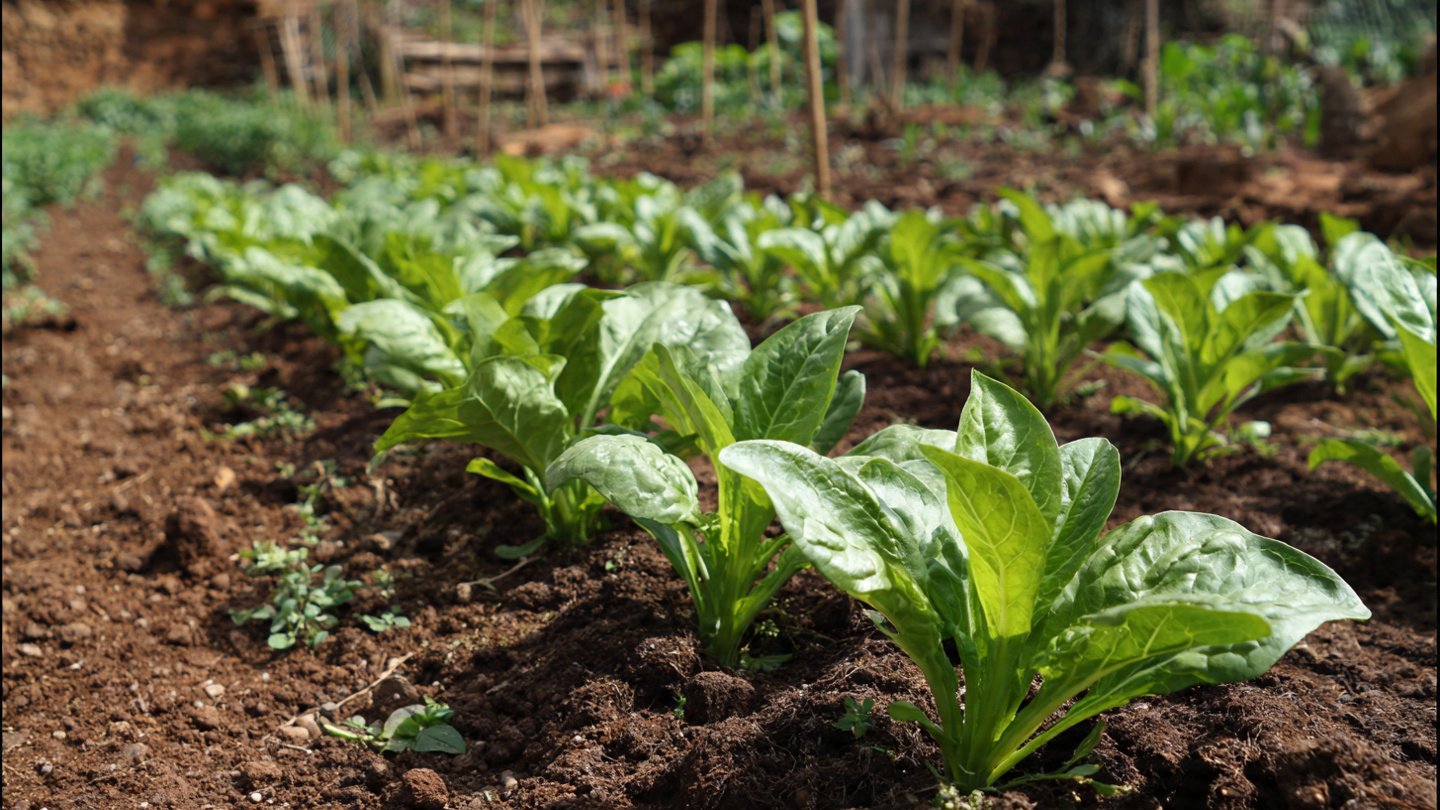
Crop rotation is often associated with large farms, but it is just as powerful—if not more so—in small garden plots. Whether you grow vegetables in a backyard bed, raised planter, or compact urban space, rotating crops can dramatically improve soil health, reduce pest problems, and increase yields over time. When space is limited, every planting decision matters, and crop rotation becomes one of the most efficient tools a gardener can use to work smarter rather than harder.
What Is Crop Rotation?
Crop rotation is the practice of growing different types of crops in the same area over successive seasons rather than planting the same crop in the same spot year after year. Each plant family interacts with the soil differently, using and replenishing nutrients in unique ways. By rotating crops, you prevent nutrient depletion and disrupt the life cycles of pests and diseases that target specific plants.
In small plots, rotation doesn’t require complicated charts or large acreage. Even rotating crops between a few beds—or sections of a single bed—can deliver significant benefits.
Why Crop Rotation Matters in Small Spaces
Small gardens experience soil exhaustion faster than large fields. When the same crops are grown repeatedly in the same place, they draw the same nutrients from the soil year after year. Over time, this leads to poor growth, weak plants, and disappointing harvests.
Pests and diseases also thrive under these conditions. Many insects and soil-borne pathogens overwinter in the soil, waiting for their preferred host plant to return. When it does, the problem escalates quickly.
Crop rotation solves both issues at once by changing what grows where, making the soil healthier and the environment less predictable for pests.
Maintaining Soil Nutrients Naturally
Different crops have different nutrient needs. Leafy greens often require high nitrogen levels, while root crops prefer looser soil with balanced nutrients. Legumes, such as beans and peas, actually add nitrogen back into the soil through their root systems.
By rotating crops based on their nutrient demands, you allow the soil to recover naturally. For example, planting nitrogen-fixing crops after heavy feeders helps replenish what was lost, reducing the need for synthetic fertilizers.
In small plots, where over-fertilizing can quickly lead to imbalances, rotation is one of the safest and most sustainable ways to maintain soil fertility.
Preventing Pests and Diseases
Many garden pests are crop-specific. When their favorite plant appears in the same location each season, they multiply rapidly. Crop rotation breaks this cycle by forcing pests to move or die off when their host plant is no longer available.
The same principle applies to diseases caused by fungi, bacteria, and nematodes that live in the soil. Rotating crops reduces the buildup of these pathogens and gives the soil time to reset.
In compact gardens, where pests can spread quickly, even a simple two- or three-year rotation can significantly reduce infestations.
Understanding Plant Families
Effective crop rotation works best when you rotate plant families rather than individual crops. Plants within the same family tend to share pests, diseases, and nutrient requirements.
Common vegetable families include:
- Nightshades (tomatoes, peppers, eggplants)
- Brassicas (cabbage, broccoli, kale)
- Legumes (beans, peas)
- Root crops (carrots, onions, beets)
- Cucurbits (cucumbers, squash, melons)
- Leafy greens (lettuce, spinach)
Avoid planting crops from the same family in the same spot in consecutive seasons whenever possible.
Simple Rotation Strategies for Small Plots
You don’t need a large garden to rotate crops effectively. Here are practical strategies for limited spaces:
Divide Beds into Sections:
Split a single bed into zones and rotate crops between them each season.
Use a 3- or 4-Group Rotation:
Group crops into categories such as heavy feeders, light feeders, soil builders, and rest crops. Rotate through these groups annually.
Rotate by Season:
If you grow both cool-season and warm-season crops, rotate plant families between spring and summer plantings.
Container Rotation:
Even container gardeners can rotate crops by changing soil or switching container locations each season.
Improving Soil Structure Over Time
Beyond nutrients, crop rotation improves soil texture and structure. Root crops loosen compacted soil, while leafy greens protect the surface. Deep-rooted plants pull nutrients from lower layers, making them available to shallow-rooted crops later.
In small plots, where soil compaction can be a serious issue due to frequent foot traffic and repeated planting, this natural soil conditioning is especially valuable.
Adding organic matter like compost works best when combined with rotation, as different crops help distribute and utilize nutrients evenly throughout the soil profile.
Reducing Dependence on Chemicals
One of the most overlooked benefits of crop rotation is reduced reliance on pesticides and fertilizers. Healthier soil produces stronger plants that are naturally more resistant to pests and disease.
By breaking pest cycles and balancing nutrients naturally, you minimize the need for chemical interventions. This is particularly important in small gardens, where chemicals can easily accumulate and harm beneficial insects and microorganisms.
Crop rotation supports a more balanced ecosystem, encouraging beneficial soil life that further improves plant health.
Planning Ahead Without Overcomplicating
Crop rotation works best when planned, but it doesn’t need to be complicated. Keeping a simple garden journal or sketch of where crops were planted each season is often enough.
Over time, patterns emerge, making it easier to plan rotations instinctively. The goal isn’t perfection—it’s progress. Even partial rotation is far better than planting the same crop in the same place year after year.
Flexibility is key in small plots. Adjust based on what grows best, what you enjoy eating, and what your soil needs most.
Long-Term Benefits for Small Gardens
The benefits of crop rotation compound over time. Each season builds on the last, gradually improving soil fertility, reducing pest pressure, and increasing yields.
Gardeners who rotate crops often notice stronger plants, fewer disease issues, and more consistent harvests—even in limited spaces. What begins as a simple organizational practice becomes a cornerstone of sustainable gardening success.
Conclusion
Rotating crops in small plots is one of the most effective ways to maintain soil nutrients and prevent pests without relying on chemicals or excessive inputs. By understanding plant families, planning simple rotations, and observing how your garden responds, you can create a healthier, more productive growing space year after year. Even the smallest garden can benefit from this age-old practice, proving that smart planning—not size—is the key to sustainable gardening success.