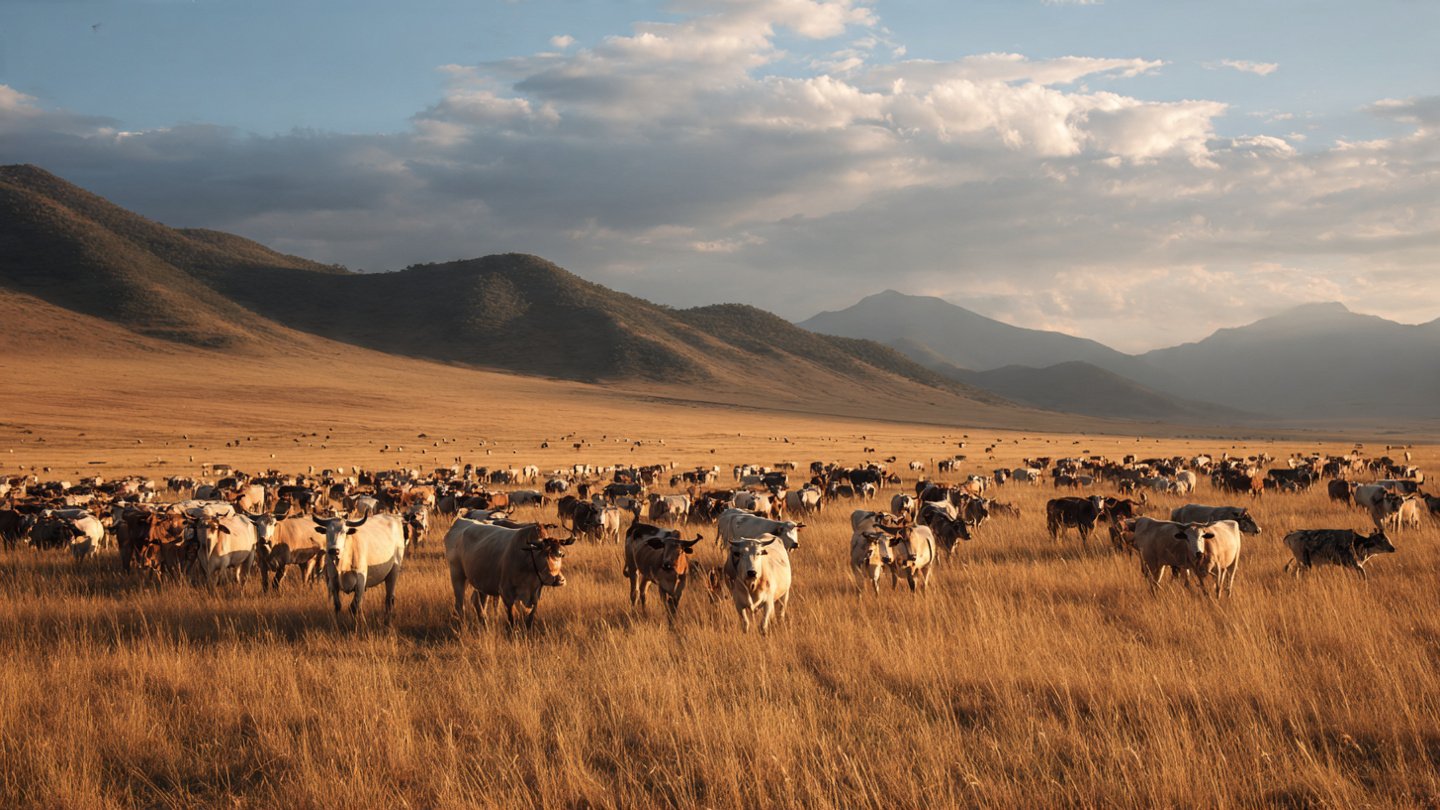
Across the world’s grasslands, a quiet ecological transformation is underway. More than half a million reintroduced grazing animals are reshaping landscapes that were once threatened by dense shrub invasion and ecological decline. These grazers—ranging from large herbivores to semi-wild livestock—are proving to be powerful allies in restoring open ecosystems, increasing biodiversity, and reversing decades of environmental degradation.
Grasslands are among the most endangered ecosystems on Earth. When traditional grazing disappears, shrubs and woody plants often take over, fundamentally altering habitat structure, soil health, and wildlife diversity. Reintroducing grazers is now emerging as one of the most effective, natural solutions to this growing problem.
Why Grasslands Need Grazers
Grasslands evolved alongside large grazing animals. For thousands of years, herbivores shaped plant communities through selective feeding, trampling, and nutrient recycling. When these animals vanished due to overhunting, land conversion, or changes in agricultural practices, grasslands lost a critical ecological process.
Without grazing pressure:
- Shrubs and trees spread rapidly
- Sun-loving grasses decline
- Soil becomes compacted or depleted
- Fire risk increases due to woody buildup
- Biodiversity drops as habitats become uniform
Grazers act as ecosystem engineers, maintaining the balance between grasses and woody plants.
The Shrub Invasion Problem
Shrub encroachment is one of the most serious threats to grassland ecosystems worldwide. As shrubs expand, they outcompete grasses for light, water, and nutrients. This shift alters soil chemistry, reduces forage availability, and fragments open habitats that many species depend on.
Shrub-dominated landscapes often:
- Store less accessible carbon in soil
- Support fewer pollinators
- Reduce grazing land for wildlife and livestock
- Increase erosion and water runoff
Once shrubs take hold, reversing the process without intervention can be extremely difficult.
How Grazers Stop Shrub Encroachment Naturally
Reintroduced grazers combat shrub invasion through multiple natural mechanisms:
Selective Browsing
Many grazers feed on young shrubs and saplings before they can mature, preventing woody plants from establishing dominance.
Trampling Effects
Hooves disturb the soil surface, breaking up shrub seedlings and creating spaces where grasses can regenerate.
Nutrient Redistribution
Manure enriches soil with organic matter and nutrients, supporting grass growth and microbial activity.
Reducing Fuel Loads
By consuming vegetation, grazers lower the amount of flammable material, decreasing the risk of intense wildfires that favor shrub expansion.
Together, these processes maintain the open structure grasslands need to thrive.
Scale Matters: Over 500,000 Grazers and Counting
Recent conservation and land-management initiatives have reintroduced more than 500,000 grazing animals across various grassland regions. This scale is significant because grazing effects become more powerful and sustainable when applied across large, connected landscapes.
Large herds:
- Mimic historic grazing patterns
- Create varied vegetation heights
- Encourage habitat diversity
- Prevent localized overgrazing
This approach contrasts with small, fenced grazing systems that can sometimes cause damage if poorly managed.
Biodiversity Benefits Beyond Plants
The return of grazers benefits far more than grasses alone. Open grasslands support a wide array of life forms that decline when shrubs take over.
Reintroduced grazing has been shown to:
- Increase wildflower abundance
- Support ground-nesting birds
- Improve habitat for insects and pollinators
- Enhance predator-prey dynamics
- Restore migratory pathways
By maintaining a mosaic of short and tall vegetation, grazers create niches for many species to coexist.
Climate and Soil Health Impacts
Healthy grasslands are powerful climate allies. They store vast amounts of carbon below ground, often more reliably than forests in dry regions. Grazing, when managed correctly, enhances this function.
Benefits include:
- Improved soil carbon storage
- Increased water infiltration
- Reduced soil erosion
- Greater drought resilience
Rather than damaging soils, moderate grazing stimulates root growth and microbial activity, strengthening the soil ecosystem.
Managed Grazing vs. Overgrazing
It’s important to distinguish rewilding-based grazing from destructive overgrazing. Poorly managed livestock systems can indeed harm grasslands. However, modern reintroduction programs focus on adaptive, science-based management.
Key principles include:
- Rotational or seasonal grazing
- Monitoring vegetation recovery
- Adjusting herd size based on conditions
- Allowing rest periods for plant regeneration
When applied thoughtfully, grazing becomes regenerative rather than extractive.
Economic and Cultural Benefits
Reintroducing grazers doesn’t only help ecosystems—it also supports people. Many grassland regions rely on pastoral livelihoods, and sustainable grazing offers economic resilience.
Communities benefit through:
- Improved forage productivity
- Reduced need for mechanical shrub removal
- Eco-tourism opportunities
- Preservation of traditional land-use practices
This makes grazer-based restoration both environmentally and socially sustainable.
Challenges and Limitations
Despite its success, grazer reintroduction is not a universal solution. Challenges include:
- Conflicts with agriculture or infrastructure
- Predator management concerns
- Initial costs of reintroduction
- Need for long-term monitoring
Success depends on local conditions, community involvement, and adaptive management strategies.
A Model for Future Ecosystem Restoration
The transformation driven by more than 500,000 reintroduced grazers demonstrates the power of working with nature rather than against it. Instead of relying solely on machinery, chemicals, or large-scale interventions, grazing restores processes that ecosystems evolved with.
This approach offers a blueprint for restoring degraded landscapes worldwide—one that balances biodiversity, climate resilience, and human livelihoods.
Final Thoughts
Grasslands are dynamic ecosystems that depend on movement, disturbance, and renewal. Reintroduced grazers are restoring these essential rhythms, halting shrub invasion, and reopening landscapes that were slowly closing in on themselves.
By allowing grazing animals to once again play their ecological role, we are not only saving grasslands—we are rebuilding healthier, more resilient ecosystems for the future. The success of these efforts proves that sometimes, the most effective solutions are also the most natural ones.