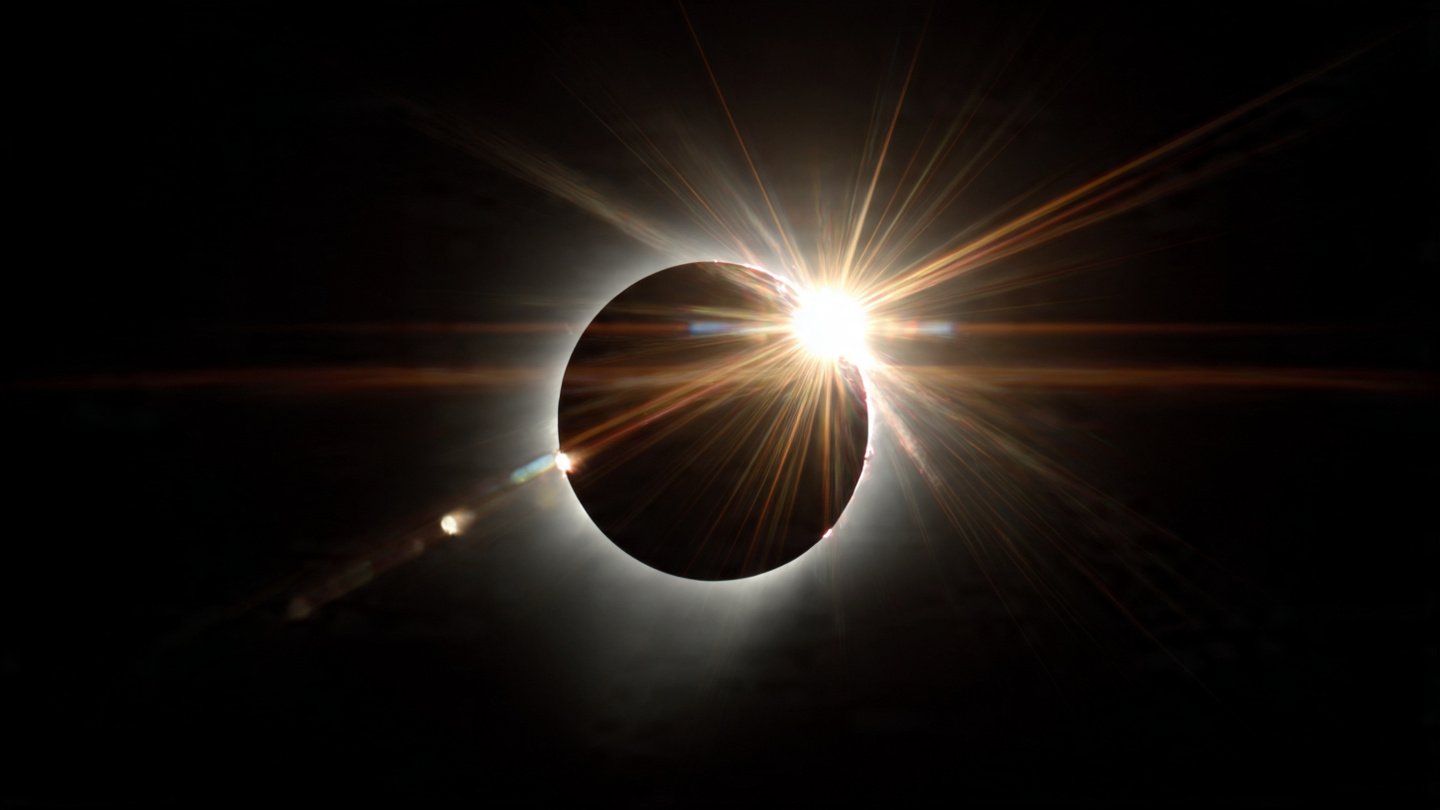
Every few decades, the cosmos puts on a spectacle so dramatic that it captures the attention of scientists, skywatchers, and casual stargazers alike. The next total solar eclipse, often being called the “eclipse of the century,” promises to be one such extraordinary event. For a fleeting six minutes, day will turn into night, temperatures will drop, and the sky will darken in an awe-inspiring display that has fascinated humanity for millennia. Whether you are a seasoned astronomer or someone curious about celestial phenomena, understanding when, where, and how to watch this remarkable event is essential.
What is a Total Solar Eclipse?
A solar eclipse occurs when the Moon passes between the Earth and the Sun, blocking all or part of the Sun’s light. In a total solar eclipse, the Moon completely covers the Sun, casting a shadow on Earth and plunging the day into temporary darkness. Unlike partial eclipses, where only a portion of the Sun is obscured, total eclipses offer the unique opportunity to see the Sun’s corona—the outer atmosphere—which is normally invisible to the naked eye.
During totality, several phenomena occur:
- Day turns into night: The sky darkens dramatically, and stars and planets may become visible.
- Temperature drops: The sudden absence of sunlight can cause temperatures to fall by several degrees in a matter of minutes.
- Animals react: Birds often settle down, crickets chirp, and other wildlife may exhibit nighttime behaviors.
- Breathtaking visuals: The Sun’s corona forms a glowing halo around the Moon, creating one of the most spectacular sights in nature.
What makes this upcoming eclipse so extraordinary is its duration: six full minutes of totality, which is unusually long for solar eclipses. Most eclipses last only a few minutes at any given location, making this an exceptionally rare and memorable event.
When Will the Eclipse Happen?
The “eclipse of the century” is set to occur on [Insert Date]. The exact timing depends on your location along the path of totality. The eclipse will be visible in total in certain regions, while others will witness a partial eclipse.
- Totality Duration: Up to six minutes, one of the longest durations for a solar eclipse in modern times.
- Partial Eclipse Phases: Leading up to and following totality, the Moon will gradually cover and then uncover the Sun, creating a dramatic progression of shadow and light.
- Time Zones: Depending on your geographic location, the eclipse may be visible in the morning, afternoon, or evening. Observers are encouraged to check local timing to avoid missing the event.
This is a rare celestial alignment. Total solar eclipses happen somewhere on Earth approximately every 18 months, but any single location may only experience totality once every 300–400 years. The six-minute totality is particularly significant because eclipses of this duration occur only a handful of times each century.
Where to Watch: The Path of Totality
The path of totality is the narrow strip of land where observers will experience the full eclipse. Outside this path, people will only see a partial eclipse, where the Sun is partially obscured.
Key Locations:
- Primary Viewing Zones:
Regions directly under the path of totality will experience the full six minutes of darkness. These are often rural areas, deserts, or national parks, providing unobstructed views of the sky. - Partial Eclipse Regions:
Cities and regions near but outside the path of totality will see a dramatic partial eclipse. While less visually striking, partial eclipses are still impressive and safe to observe with proper eye protection. - Accessibility:
Many eclipse enthusiasts travel hundreds of miles to position themselves directly under the path of totality. Hotels and campgrounds along the path often fill months in advance, highlighting the popularity and rarity of this event. - Viewing Abroad:
Some eclipses are visible across multiple countries or continents. For international travelers, specific regions may offer the best combination of accessibility, climate, and viewing conditions.
How to Watch Safely
Viewing a solar eclipse safely is critical. Looking directly at the Sun without proper protection can cause permanent eye damage, even during totality.
Recommended Methods:
- Solar Eclipse Glasses: Certified glasses with ISO 12312-2 safety standards block harmful rays and allow direct viewing of the Sun before and after totality.
- Pinhole Projector: A simple DIY method where sunlight passes through a small hole onto a surface, projecting the Sun’s image safely.
- Telescope or Binocular Filters: Specialized solar filters allow for magnified views but must meet safety standards.
- Avoid Improvised Methods: Sunglasses, CDs, or other makeshift filters are not safe and can result in severe eye damage.
During the totality phase, it is safe to look directly at the Sun because it is completely covered by the Moon. However, the moment the Sun starts to reappear, proper protection must be resumed.
What to Expect During Totality
Experiencing totality is unlike any other natural phenomenon:
- Sudden Darkness: The daylight fades into a twilight-like gloom. Shadows become sharper, and the landscape may take on an eerie, silvered tone.
- Sun’s Corona: The Sun’s outer atmosphere, normally invisible, forms a luminous halo around the dark silhouette of the Moon.
- Temperature Drop: You may notice a drop of 5–10 degrees Celsius as the Sun disappears.
- Behavioral Changes in Nature: Birds may roost, insects may buzz, and the world temporarily mimics night.
- 360-Degree Horizon Glow: Even though the Sun is obscured overhead, the horizon often glows like sunset, adding to the ethereal experience.
Many describe the feeling as surreal and even emotional—a reminder of the vastness and beauty of the cosmos.
Photography and Observation Tips
For those wanting to capture this historic event:
- Plan Ahead: Scout your location and ensure you have an unobstructed view of the sky.
- Use Solar Filters: For cameras, telescopes, or binoculars, solar filters are essential. Never point a camera directly at the Sun without proper protection.
- Tripod Stabilization: Use a tripod for steady shots, especially if you plan to photograph the gradual transition of the eclipse.
- Time-Lapse Photography: Capture the phases of the eclipse with time-lapse photography to create a dynamic view of the event.
- Experiment with Silhouettes: Include people, trees, or landmarks in your shots to emphasize the dramatic effect of the total eclipse.
Remember, while photography is rewarding, taking a moment to simply watch is an unparalleled experience.
Preparing for the Experience
Because the eclipse will last only a few minutes in totality, preparation is key:
- Arrive Early: Traffic can be heavy near prime viewing spots, and parking may be limited. Arrive several hours in advance.
- Pack Essentials: Bring water, snacks, chairs, blankets, and warm clothing if temperatures drop.
- Check Weather Conditions: Clouds can obscure the Sun, so keep backup locations in mind if traveling.
- Engage with Communities: Many regions have eclipse festivals, science centers, or astronomy clubs that host viewing events, offering telescopes and expert guidance.
Why This Eclipse is Historic
The six-minute totality is what makes this event truly remarkable. Most total solar eclipses last just 2–4 minutes, so this extended duration allows for prolonged observation, photography, and reflection. Scientists also use such events to study the Sun’s corona, magnetic fields, and solar winds, offering unique research opportunities.
Historically, solar eclipses have been seen as omens or celebrations, inspiring awe and curiosity. For modern observers, this eclipse represents a rare chance to witness a celestial alignment that few will ever see again in their lifetime.
Final Thoughts
The upcoming solar eclipse is not just an astronomical event; it’s a once-in-a-lifetime experience that connects us with the rhythms of the universe. With six minutes of total darkness, a glowing corona, and the dramatic shift from day to night, this eclipse promises to be unforgettable. Whether you travel to the path of totality, watch from a partial eclipse region, or stream the event online, preparation and safety are key to fully enjoying the spectacle.
Mark your calendars, secure your viewing spot, and equip yourself with proper safety gear. The eclipse of the century is approaching, offering a mesmerizing glimpse of the Sun, Moon, and Earth in perfect cosmic alignment. Don’t miss it—the sky is about to put on a show like no other.