Houseplants bring life, color, and a sense of calm to any home. They improve air quality, enhance decor, and even boost mood. But for houseplants to thrive, they need space to grow—not just above ground, but below ground too. One of the most common issues that can limit plant growth and overall health is becoming root bound. Many plant owners may not realize their greenery is struggling until symptoms appear above the soil. Understanding how to identify root-bound plants is key to keeping your houseplants healthy and vibrant.
This guide explores the signs of root-bound plants, why it happens, and practical steps to prevent and correct it.
What Does “Root Bound” Mean?
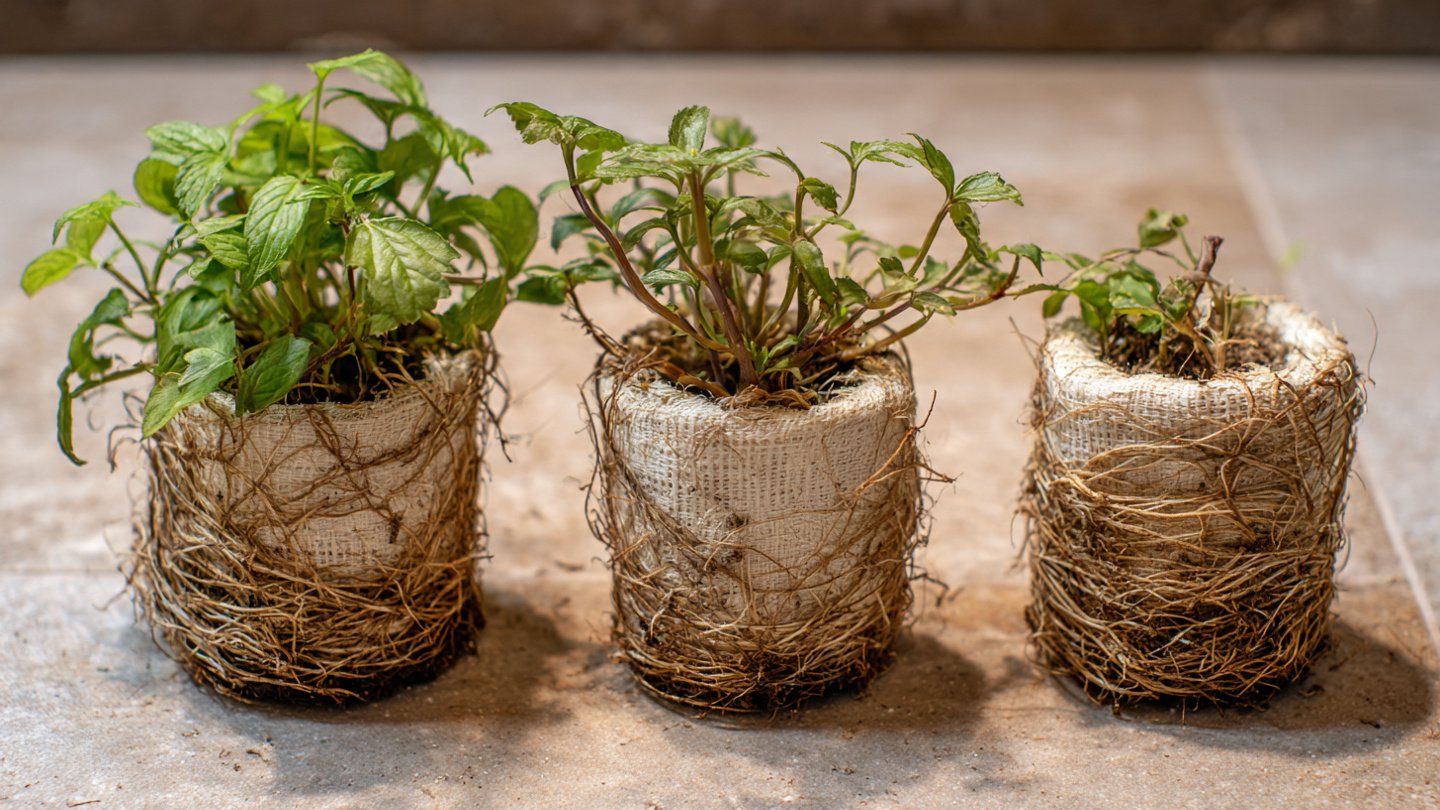
A plant becomes root bound when its roots outgrow the container in which it is planted. Essentially, the root system fills the pot completely, circling around the edges, leaving little or no room for soil, nutrients, or water.
Root-bound plants often suffer from stunted growth, wilting, yellowing leaves, or reduced flowering because their roots cannot absorb water and nutrients efficiently. This condition is more common in potted plants and indoor greenery that has been in the same container for a long period without repotting.
Signs Your Houseplant May Be Root Bound
While each plant type has different growth habits, there are common signs to watch for:
- Stunted Growth
If your plant has stopped producing new leaves, stems, or flowers despite proper care, it may be struggling due to crowded roots. - Roots Growing Out of Drainage Holes
When roots begin escaping from the pot’s drainage holes, it’s a clear indication that the plant has filled the container and needs more space. - Soil Dries Out Quickly
Root-bound plants often have less soil volume relative to the root mass. This means water passes through the soil quickly without being absorbed, causing the plant to dry out faster than usual. - Yellowing or Drooping Leaves
Although nutrient deficiency or overwatering can also cause yellow leaves, persistent discoloration in a plant with otherwise proper care often points to root crowding. - Visible Root Circling on Soil Surface
If you gently remove the top layer of soil and see roots beginning to circle the surface, the plant is likely running out of room below. - Pot Becomes Deformed
In extreme cases, plastic pots may bulge or crack under pressure from extensive root growth. This is more common with fast-growing plants like pothos, philodendrons, or spider plants.
Why Plants Become Root Bound
Several factors contribute to a plant becoming root bound:
- Container size is too small – Plants need space for roots to grow. Small pots may limit root expansion.
- Rapid-growing species – Some houseplants, such as fiddle leaf figs, peace lilies, or monstera, naturally develop large root systems quickly.
- Neglect or delayed repotting – Plants left in the same pot for years are prone to root crowding.
- Slow soil degradation – Over time, soil breaks down and compacts, leaving less space for roots to expand.
Understanding these factors helps prevent future root-bound problems.
How to Check If Your Plant Is Root Bound
You can carefully inspect your plant to confirm whether it’s root bound:
- Gently Remove the Plant
Tilt the pot on its side and gently slide the plant out. If it’s stuck, squeeze the sides of a flexible plastic pot or tap the bottom of a ceramic pot. - Examine the Roots
Healthy roots should spread evenly throughout the soil. If you notice roots densely packed, circling around the edges, or forming a tight mass, your plant is root bound. - Assess the Soil-to-Root Ratio
If the majority of the pot is filled with roots and little soil remains, the plant is severely root bound. - Check for Rot or Damage
Sometimes crowded roots can suffer from rot, especially if watering is inconsistent. Brown, mushy, or foul-smelling roots indicate the plant needs urgent attention.
Steps to Fix a Root-Bound Plant
If your plant is root bound, repotting is the most effective solution. Follow these steps:
- Choose a Larger Pot
Select a container 1–2 inches wider in diameter than the current pot for small plants. For larger plants, increase by 2–4 inches. Make sure the new pot has proper drainage holes. - Loosen the Roots
Gently tease apart the root ball with your fingers. Trim any circling or damaged roots using clean, sterilized scissors. For severe cases, lightly prune the outer roots to encourage new growth. - Add Fresh Soil
Use fresh, well-draining potting mix appropriate for your plant type. Place some soil at the bottom of the new pot before positioning the plant. - Replant Carefully
Place the plant in the center of the new pot, fill around it with soil, and press lightly. Ensure the roots are covered and the plant sits at the same depth as before. - Water Thoroughly
After repotting, water the plant well to help settle the soil and reduce transplant shock.
Preventing Root-Bound Plants
Regular maintenance helps prevent root-bound problems and keeps houseplants thriving:
- Monitor Growth – Check roots annually for fast-growing species.
- Repot Periodically – Most indoor plants benefit from repotting every 1–2 years.
- Choose Appropriate Pot Sizes – Avoid oversized pots for young plants, which can retain excess moisture and cause root rot.
- Use Pruning Techniques – Root pruning in combination with repotting can manage large plants and encourage healthy branching.
- Maintain Soil Health – Refresh soil periodically to provide nutrients and maintain loose texture.
Benefits of Properly Repotted Plants
Repotting a root-bound plant has multiple benefits:
- Encourages vigorous growth of leaves, stems, and flowers
- Improves nutrient and water absorption
- Reduces risk of disease and root rot
- Supports overall plant health and longevity
With proper care, a plant that was once stressed and stagnant can bounce back quickly after repotting.
Signs Your Plant Has Recovered
After addressing a root-bound issue, monitor your plant for these signs of recovery:
- New leaves or shoots emerging
- Stronger, upright stems
- Improved color and texture of leaves
- Longer intervals before wilting between waterings
Recovery may take a few weeks, so be patient and continue providing appropriate care.
Conclusion
Identifying and addressing root-bound houseplants is essential for keeping indoor greenery healthy, vibrant, and thriving. By understanding the signs—such as stunted growth, roots escaping drainage holes, or yellowing leaves—you can take proactive steps to repot and rejuvenate your plants. Regular inspections, proper container sizing, and soil maintenance prevent root-bound problems and ensure that your houseplants continue to brighten your home for years to come.
Healthy roots are the foundation of healthy plants. Giving your plants the space they need below the soil guarantees they will flourish above it, producing lush foliage, beautiful flowers, and a long-lasting presence in your indoor garden.