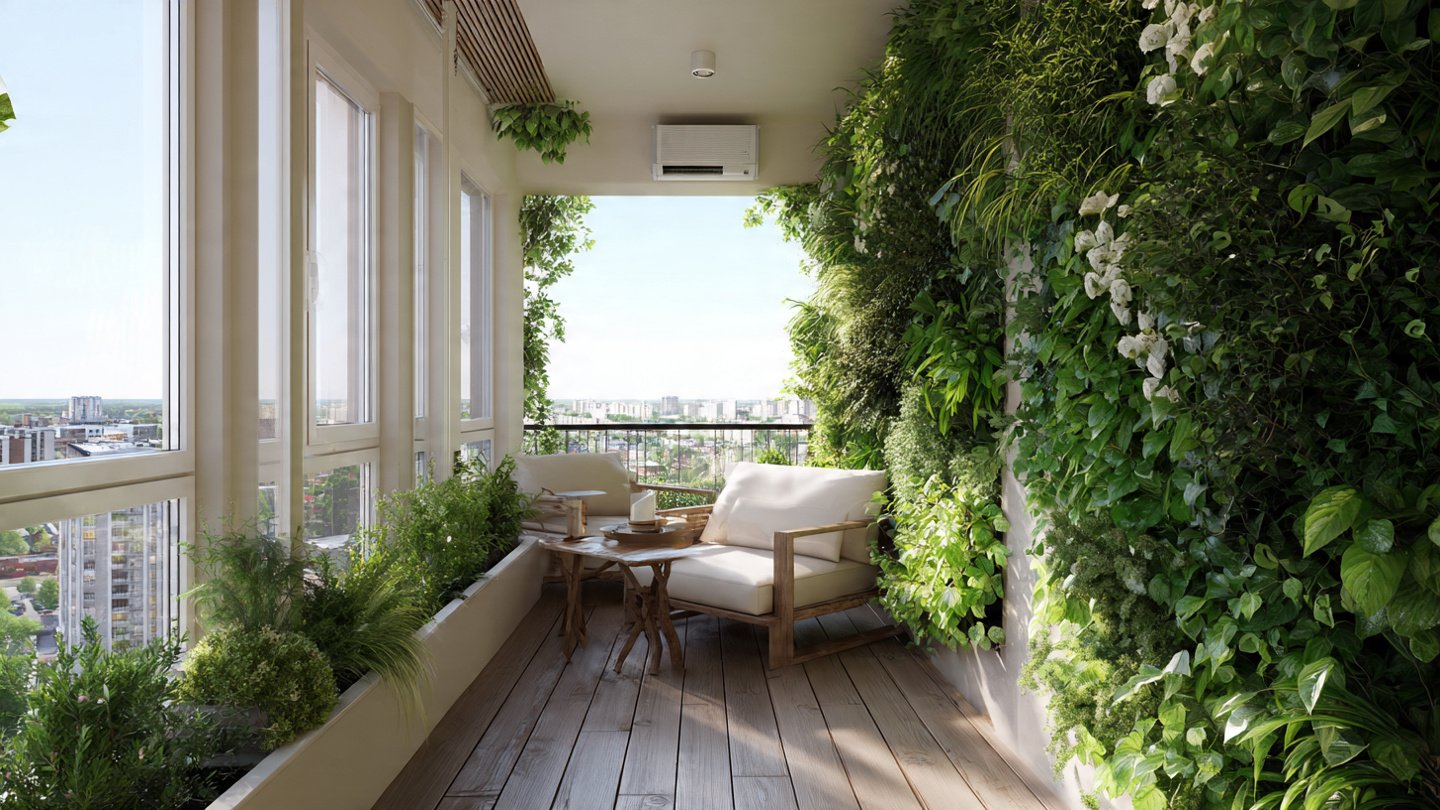
Small studio apartments present a unique challenge: how do you create a living space that feels vibrant, welcoming, and visually expansive without sacrificing functionality? One increasingly popular solution is vertical greenery—using walls, shelves, and other vertical surfaces to bring plants into your home. Vertical gardens don’t just add aesthetic appeal; they improve air quality, reduce stress, and can even create the illusion of more space. In this guide, we’ll explore how you can transform a small studio apartment with vertical greenery, step by step, while maximizing style, practicality, and wellness benefits.
Step 1: Understanding the Benefits of Vertical Greenery
Before diving into design and planting, it’s important to understand why vertical greenery is ideal for small apartments:
- Space optimization: In a studio apartment, floor space is at a premium. Vertical gardens use walls, shelves, and hanging structures to introduce plants without cluttering the floor.
- Aesthetic enhancement: Plants add color, texture, and vibrancy, instantly transforming a neutral or minimalistic space into a lively, cozy environment.
- Air purification: Many indoor plants absorb toxins, release oxygen, and improve indoor air quality—especially valuable in compact spaces.
- Psychological benefits: Studies show that greenery reduces stress, boosts mood, and enhances productivity, which is particularly important in small, multi-functional living areas.
- Sound absorption: Dense vertical greenery can also help dampen noise, creating a quieter, more serene environment.
By understanding these benefits, you’ll see why investing in vertical greenery is not just decorative—it’s functional, too.
Step 2: Assessing Your Space
The first step in creating a vertical garden in a studio apartment is assessing your available space. Some key considerations include:
- Wall space: Identify walls that are sturdy enough to support planters or shelving units. Avoid walls that are prone to dampness or direct heat.
- Light conditions: Determine how much natural light your studio receives. South- or west-facing windows are ideal for sun-loving plants, while north-facing spaces may require low-light species or grow lights.
- Height and accessibility: Make sure that vertical greenery remains accessible for watering, pruning, and maintenance. Even high walls can work if you use step stools or modular designs.
- Apartment rules: If you rent, check with your landlord or building management about drilling into walls or installing hanging planters.
Assessing your space carefully helps you choose the right type of vertical garden that fits both your studio and lifestyle.
Step 3: Choosing the Right Vertical Greenery System
There are several ways to incorporate vertical greenery, each with its own advantages:
- Wall-mounted planters: These can be individual pots or connected modular units. Ideal for herbs, succulents, or small decorative plants.
- Hanging shelves: Install staggered shelves and place potted plants along them. This method adds depth and allows for variety in plant height and type.
- Trellises or plant ladders: These freestanding or wall-mounted structures support climbing plants like pothos, philodendrons, or ivy, creating a lush green wall effect.
- Pocket planters or fabric wall pockets: Lightweight and ideal for small spaces, these allow multiple plants to grow in compact, vertical pockets.
- Living wall panels: Advanced systems with integrated irrigation can cover large wall sections, though they may require more investment and maintenance.
Choose a system that aligns with your budget, light conditions, and willingness to maintain plants. For most studio apartments, modular wall planters or hanging shelves strike the perfect balance between functionality and aesthetic appeal.
Step 4: Selecting Plants for Vertical Gardens
The choice of plants depends on light, humidity, and your ability to care for them. Here are some ideal options for small apartments:
- Low-light plants: Pothos, snake plants, ZZ plants, and philodendrons thrive in indirect sunlight. Perfect for north-facing windows or shaded areas.
- Medium-light plants: Spider plants, ferns, and peace lilies grow well in moderate sunlight.
- High-light plants: Succulents, herbs (basil, mint, rosemary), and ficus require bright, direct sunlight.
- Climbing or trailing plants: Ivy, string-of-pearls, and golden pothos create cascading greenery and fill vertical space beautifully.
- Edible vertical gardens: Herbs and small vegetables like cherry tomatoes or chili peppers allow you to grow food without taking up floor space.
Choosing plants suited to your studio’s lighting conditions reduces maintenance and ensures long-term success.
Step 5: Planning Your Vertical Layout
How you arrange plants vertically can drastically impact the visual appeal and practicality of your studio:
- Layering: Place taller or trailing plants at the top and smaller, compact plants lower. This creates a cascading effect and ensures all plants receive adequate light.
- Spacing: Avoid overcrowding to prevent disease and allow air circulation. Each plant should have enough space to grow.
- Symmetry vs. asymmetry: Symmetrical arrangements feel structured and tidy, while asymmetrical designs offer a more natural, organic look. Choose a style that complements your studio’s decor.
- Interactive zones: Consider integrating vertical greenery near your work desk, kitchen, or entryway to create visual interest and functional plant zones.
Planning your layout carefully ensures that vertical greenery enhances your space rather than overwhelming it.
Step 6: Installing and Supporting Vertical Greenery
Proper installation and support are essential for the longevity of a vertical garden:
- Wall-mounted systems: Use anchors or brackets rated for the weight of your planters. Ensure walls are structurally sound.
- Hanging shelves: Secure shelves to studs in the wall. Lightweight shelves work well with small pots, while heavy-duty shelves support larger plants.
- Trellises and plant ladders: Place freestanding ladders near light sources or anchor trellises to walls for stability.
- Waterproofing: Consider using trays or mats under planters to prevent water damage. Silicone liners can protect walls in case of spills.
Proper installation prevents accidents and keeps your studio safe while supporting healthy plant growth.
Step 7: Watering and Maintenance
Vertical greenery requires regular attention to stay healthy:
- Watering frequency: Varies depending on plant type, container size, and sunlight. Most small studio plants need watering 1–2 times per week. Use a spray bottle for delicate foliage or drip irrigation for larger installations.
- Drainage: Ensure pots or containers have drainage holes to prevent root rot. Excess water can be collected in trays.
- Fertilization: Use water-soluble fertilizer every 4–6 weeks to maintain plant health.
- Pruning: Trim dead leaves and overgrown vines to maintain aesthetic appeal and prevent overcrowding.
- Pest control: Watch for common indoor pests like spider mites or aphids. Neem oil or insecticidal soap works effectively for small-scale indoor gardens.
Regular maintenance keeps your vertical greenery lush, vibrant, and stress-free.
Step 8: Enhancing Your Studio with Vertical Greenery
Vertical greenery is more than plants—it’s a design element. Here are creative ways to integrate it:
- Partition walls: Use vertical greenery as a natural room divider to separate your living area from sleeping or work zones.
- Artistic patterns: Arrange plants in geometric or wave-like patterns for a modern, artistic vibe.
- Integrated lighting: LED grow lights not only support plant health but also highlight greenery as a decorative feature.
- Mixing textures: Combine trailing vines, bushy plants, and spiky succulents for varied textures that enhance visual interest.
By considering aesthetics alongside function, vertical greenery can become the centerpiece of your studio apartment.
Step 9: Benefits Beyond Aesthetics
Transforming a small studio with vertical greenery offers numerous benefits beyond beauty:
- Improved air quality: Plants filter pollutants, producing cleaner indoor air.
- Temperature regulation: Greenery can cool a studio by providing shade and reducing heat absorption.
- Stress reduction: Studies show that exposure to indoor plants lowers stress and increases focus, which is vital in a compact living space.
- Connection to nature: Bringing greenery indoors creates a sense of calm and well-being, making small apartments feel more spacious and lively.
Vertical greenery is thus both functional and therapeutic, enhancing your quality of life.
Step 10: Tips for Success in Small Studios
- Start small: Begin with a few planters or a single wall and expand gradually.
- Choose low-maintenance plants: Pothos, snake plants, and succulents are forgiving and thrive with minimal care.
- Rotate plants: Occasionally rotate pots to ensure even sunlight exposure.
- Combine with furniture: Integrate shelves or planters into storage units to maximize functionality.
- Regular observation: Check plants daily for water needs, pests, and growth patterns.
Following these tips ensures your vertical greenery flourishes without overwhelming your space or schedule.
Conclusion
Vertical greenery can completely transform a small studio apartment, turning it from cramped and minimalistic into vibrant, fresh, and visually appealing. By strategically assessing space, choosing the right plants, planning layouts, and maintaining them effectively, you can enjoy all the benefits of indoor plants without sacrificing precious floor space.
Beyond aesthetics, vertical greenery improves air quality, reduces stress, and creates a stronger connection with nature—an invaluable addition to any small living space. Whether you opt for wall-mounted planters, hanging shelves, or trellises with cascading vines, vertical greenery offers a versatile and rewarding way to bring life into your studio apartment.
Start small, experiment with plant combinations, and watch your space transform into a green oasis—proof that even the smallest apartment can feel expansive, refreshing, and alive with nature.