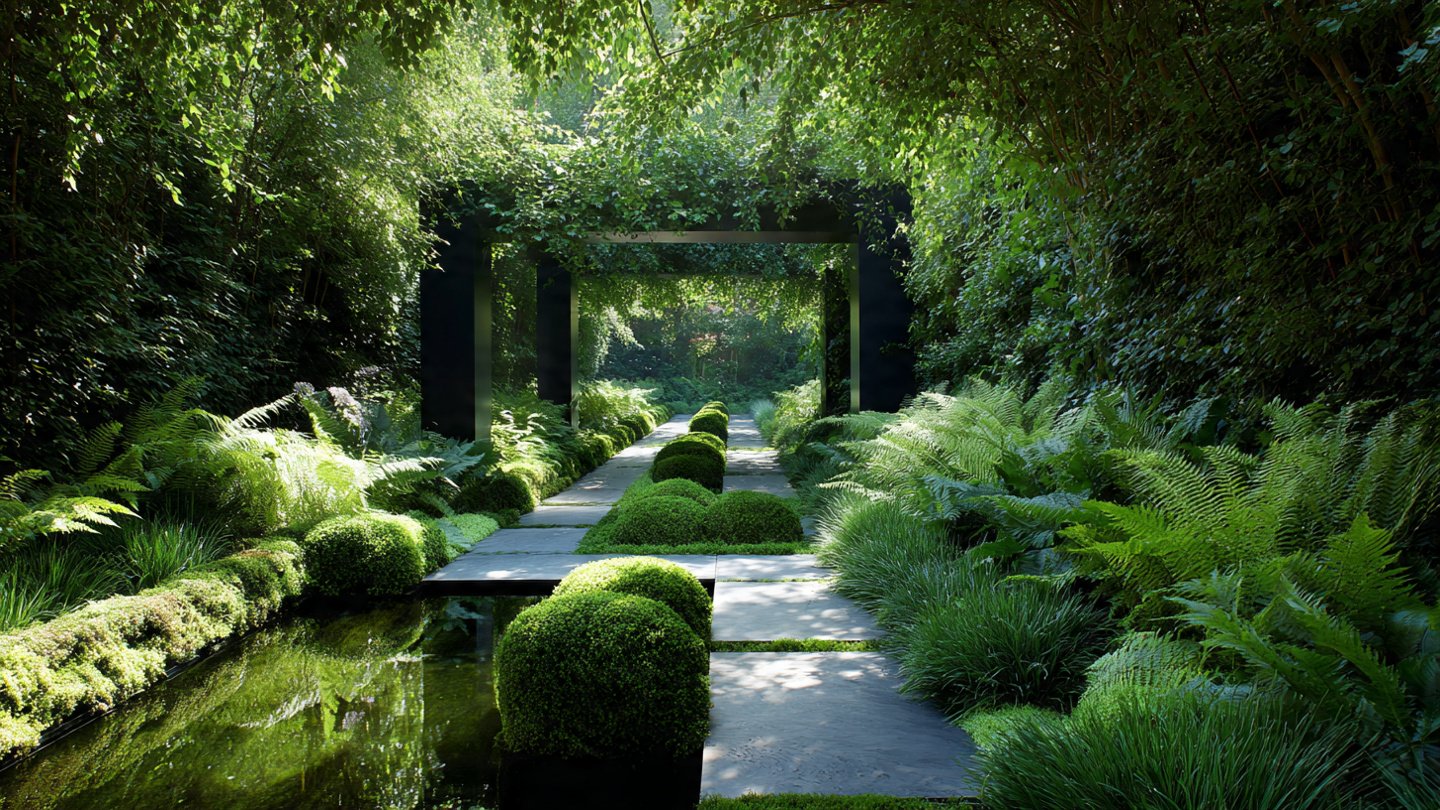
A monochromatic garden—designed using varying shades of a single color—creates a serene, cohesive, and visually striking landscape. While many gardeners think of colorful flowers when imagining a garden, using only green plants can produce a breathtakingly elegant and timeless effect. A green monochromatic garden focuses on texture, form, and foliage to create depth, contrast, and visual interest, offering a peaceful retreat in any outdoor or indoor space.
This guide explains how to design a green-only garden that is sophisticated, dynamic, and harmonious. From selecting plants and arranging textures to planning for year-round interest, these steps help you create a living space that is both calming and captivating.
Understanding the Concept of a Monochromatic Garden
A monochromatic garden focuses on one color in various shades, tones, and textures. Green, being a natural and calming color, offers immense flexibility. By using plants with different leaf shapes, sizes, and shades—from deep emerald to lime green—you can create a dynamic landscape without relying on flowers.
In a green monochromatic garden, the beauty comes from subtle contrasts: glossy vs. matte leaves, upright vs. trailing forms, and light vs. dark foliage. Texture, structure, and layering are key to preventing the garden from appearing flat or monotonous.
Choosing the Right Green Plants
The foundation of a successful green garden is selecting a variety of plants with diverse foliage. Consider the following types:
- Evergreen Shrubs: Boxwood, Murraya kamini, and Indian laurel provide structure, maintain greenery year-round, and can be shaped into hedges or topiaries.
- Grasses and Grass-like Plants: Ornamental grasses such as mondo grass, fescues, or liriope add movement, softness, and height variation.
- Foliage Plants for Groundcover: Ferns, hostas, ivy, and pachysandra create lush, low-level greenery that fills gaps and adds texture.
- Succulents and Cacti: Jade plant, snake plant, or aloe vera add architectural forms and sculptural elements.
- Climbers and Vines: Ivy, money plant (Epipremnum aureum), or climbing philodendron add vertical greenery and can create privacy walls or green screens.
- Small Trees or Palms: Areca palm, bamboo, or dwarf ficus provide height and serve as focal points.
Selecting plants with varying shades—from chartreuse to deep forest green—ensures that the garden feels layered and multidimensional.
Planning the Layout
A monochromatic garden benefits from careful planning. Consider these design principles:
- Layering and Height: Place taller plants in the background or center and gradually step down to mid-height shrubs and groundcovers in front. This layering creates depth and visual interest.
- Texture and Form: Mix plants with contrasting leaf shapes—broad vs. narrow, smooth vs. serrated, glossy vs. matte. Texture provides the “pop” that replaces flower color in a monochromatic scheme.
- Focal Points: Include a sculptural element, such as a tree, a textured shrub, or a green water feature, to draw the eye and anchor the design.
- Repetition: Repeating plants or foliage types throughout the garden creates cohesion and rhythm.
- Pathways and Spaces: Use gravel, stepping stones, or mulch in neutral tones to guide movement and highlight green areas.
Emphasizing Texture
Texture is one of the most important elements in a green garden. Without flowers, your design relies on the tactile and visual quality of leaves to engage the senses.
- Leaf Shape: Large, dramatic leaves (like hostas or banana plants) contrast beautifully with fine, feathery foliage (like ferns or ornamental grasses).
- Leaf Color: Even within green, subtle variations—from yellow-green to dark jade—create a natural gradient.
- Leaf Surface: Matte leaves absorb light while glossy leaves reflect it, producing interesting visual effects.
Incorporating a mix of textures keeps the garden dynamic and prevents monotony.
Creating Movement and Flow
A green garden is not just about static shapes; movement adds energy. Plant grasses or vines that sway in the wind to bring life to the space. Trailing plants on raised beds or walls can soften hard edges and create a flowing, organic feel. Curved pathways surrounded by layered greenery encourage exploration and enhance the immersive experience of the garden.
Incorporating Containers and Planters
Containers allow for greater control over plant arrangement and provide height variation. Use ceramic, terracotta, or modern concrete pots in neutral shades to maintain focus on foliage. Group plants in clusters to create contrast between textures and shades of green. Hanging baskets and vertical planters are excellent for adding dimension, particularly in small spaces or urban gardens.
Seasonal Considerations
Even a monochromatic green garden can be dynamic throughout the year by choosing plants that offer seasonal interest:
- Evergreen Foliage: Ensures greenery even in winter.
- New Growth: Look for plants that produce lighter green leaves in spring.
- Berries or Seed Pods: Plants like Murraya or certain hollies add subtle texture and seasonal accents while remaining within the green palette.
- Variegated Foliage: Consider plants with green-and-cream leaves or darker edges for seasonal contrast.
Maintenance Tips
A green garden requires regular maintenance to keep it lush and organized:
- Pruning: Trim hedges, shrubs, and topiaries to maintain shape and encourage dense growth.
- Weeding: Remove weeds regularly to prevent competition with your plants.
- Watering: Adjust watering according to plant types; avoid overwatering to prevent root rot.
- Fertilization: Feed plants periodically to maintain healthy foliage and vibrant green tones.
Consistent maintenance ensures that your green garden stays vibrant, structured, and aesthetically pleasing year-round.
Enhancing Sensory Appeal
Beyond visual beauty, green gardens can stimulate other senses:
- Fragrance: Include aromatic green plants like Murraya kamini, lemon balm, or lavender with green leaves for subtle scent.
- Sound: Ornamental grasses or bamboo produce soft rustling sounds when moved by wind, adding a calming auditory element.
- Touch: Incorporate plants with different leaf textures to encourage tactile exploration.
This multi-sensory approach transforms a simple green garden into a complete, immersive experience.
Conclusion
Designing a monochromatic garden using only green plants may seem limiting, but it offers incredible opportunities for elegance, sophistication, and creativity. By focusing on texture, form, layering, and subtle variations in shade, you can create a serene and visually captivating garden that stands out for its understated beauty.
With careful plant selection, thoughtful layout, attention to texture, and consistent maintenance, a green garden becomes more than just a collection of plants—it becomes a living, breathing artwork that calms the mind and delights the senses. Whether you’re designing a small balcony space, a backyard, or a large formal garden, a monochromatic green approach can produce a breathtaking, timeless landscape that celebrates the versatility and beauty of foliage.