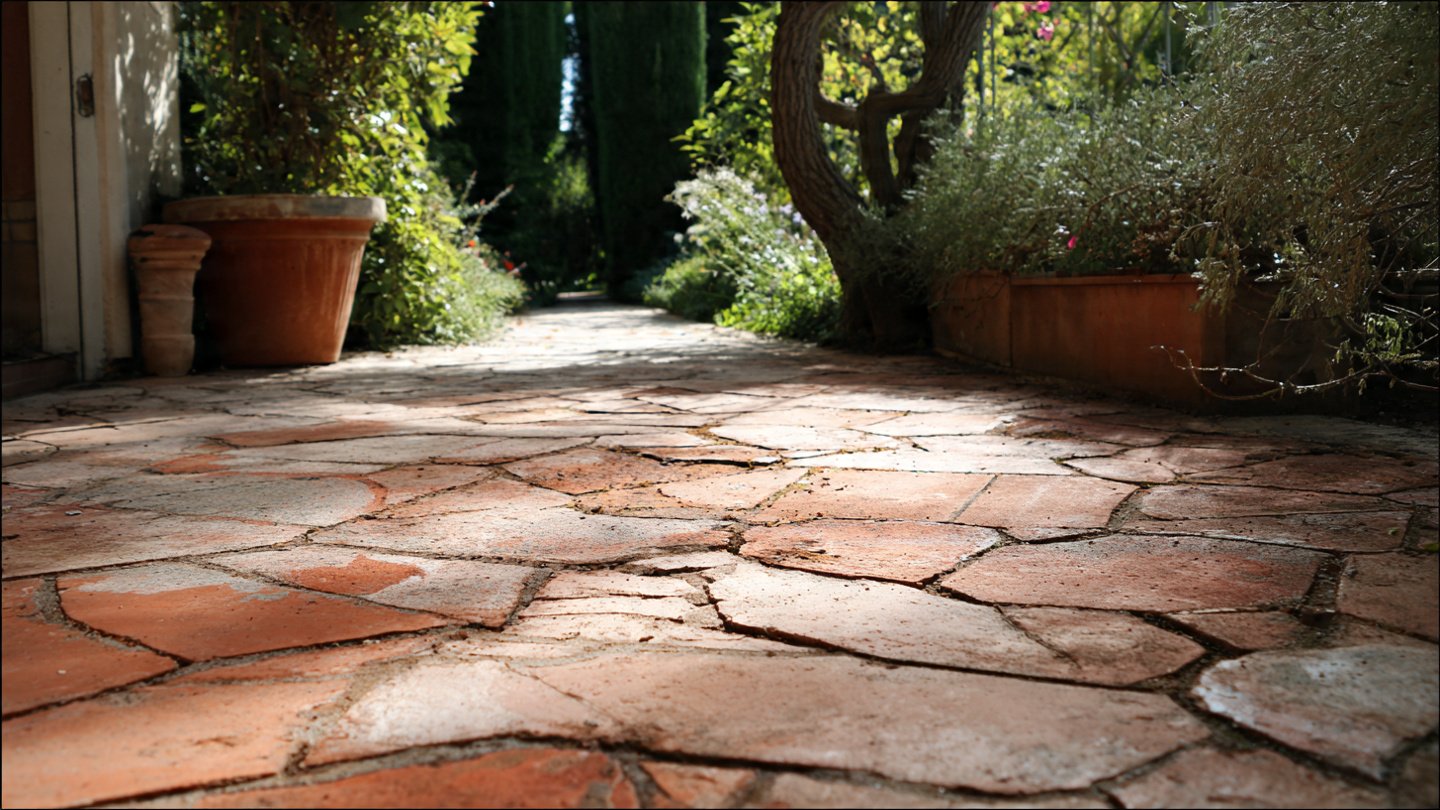
A beautiful patio can be the centerpiece of your outdoor space, providing a perfect area for relaxing, entertaining, or enjoying nature. However, many homeowners face the frustrating problem of patio tiles cracking every winter. These cracks not only detract from the aesthetic appeal but can also become safety hazards if left unaddressed. Understanding why patio tiles are prone to winter damage, and how to prevent it, is essential for maintaining a long-lasting, attractive outdoor surface.
The Science Behind Tile Cracks in Winter
Patio tiles are typically made of materials like ceramic, porcelain, concrete, or natural stone. While these materials are durable, they respond differently to environmental stresses, especially during the colder months. Winter introduces a combination of low temperatures, moisture, and freeze-thaw cycles, which can put tremendous pressure on your tiles.
- Freeze-Thaw Cycles:
Water has a unique property—it expands when it freezes. When water seeps into small cracks or porous areas in tiles or the grout, it freezes overnight in winter. The expansion exerts pressure on the tile and surrounding grout. Repeated freeze-thaw cycles gradually widen these cracks, eventually leading to visible damage. - Moisture Penetration:
Patio tiles are often exposed to rain, snow, or melting ice. If the tiles or the underlying substrate are not properly sealed, moisture can penetrate the material. Combined with freezing temperatures, this moisture accelerates the cracking process. - Improper Installation:
Even high-quality tiles can crack if they were not installed correctly. Common mistakes include:- Inadequate adhesive or mortar application
- Insufficient expansion joints, which allow tiles to move as temperatures change
- Uneven or unstable substrate
When tiles have no room to expand, even minor temperature fluctuations can cause cracking.
- Thermal Expansion and Contraction:
All materials expand when heated and contract when cooled. Patio tiles experience temperature swings daily and seasonally. If the tiles cannot move freely due to improper installation or lack of expansion joints, stress accumulates and cracks appear. - Material Limitations:
Some tile types are more susceptible to cracking in cold climates. Natural stone like slate may have microfractures, while concrete tiles can absorb water if not properly sealed. Porcelain tiles, although dense and durable, may still crack under extreme freeze-thaw conditions if installed outdoors without precautions.
Signs That Winter Damage Is Imminent
Before your patio tiles crack, there are often warning signs that can help you take preventative action:
- Hairline Cracks in Grout or Tiles: Small cracks often precede larger fractures.
- Loose or Shifting Tiles: Movement may indicate that the substrate is unstable or that expansion joints are insufficient.
- Water Accumulation: Puddles forming on the surface suggest poor drainage or porous tiles absorbing moisture.
- Spalling: Flaking or chipping of the tile surface can occur when water penetrates and freezes.
Early detection allows homeowners to repair or reinforce vulnerable areas before winter damage becomes severe.
Preventative Strategies to Protect Patio Tiles
- Proper Installation:
The most effective way to prevent cracking is to ensure tiles are installed correctly. Work with professionals or follow best practices, including:- Using high-quality outdoor-rated tiles and adhesives
- Installing expansion joints to allow for thermal movement
- Ensuring a stable, well-drained substrate to prevent water accumulation
- Seal Your Tiles:
Sealing tiles and grout adds a protective barrier against moisture. Penetrating sealers are particularly effective for natural stone and concrete, reducing water absorption and the risk of freeze-thaw damage. Reapply sealers every one to three years depending on the product and exposure. - Improve Drainage:
Water is a key culprit in winter tile damage. Ensure your patio is slightly sloped to allow water to drain away. Avoid areas where puddles can form, as standing water increases the risk of freeze-thaw cracks. - Insulate in Winter:
For climates with extreme cold, you can add temporary protective layers over the tiles during winter nights. Options include:- Outdoor rugs or mats to provide insulation and prevent direct frost exposure
- Lightweight tarps or frost blankets to cover vulnerable areas
- Choose the Right Material:
If you are installing new tiles or replacing damaged ones, consider materials designed for outdoor use in freeze-thaw climates. Porcelain and frost-resistant natural stone are excellent options, while low-porosity concrete tiles perform well when properly sealed. - Regular Maintenance:
Preventing cracks is easier than fixing them. Regular maintenance includes:- Cleaning debris from joints and surface cracks
- Reapplying sealer as needed
- Monitoring for early signs of movement or damage
Repairing Winter-Damaged Tiles
If your patio tiles have already cracked, prompt repair can prevent further deterioration:
- Fill Small Cracks: Use epoxy or grout fillers to seal minor cracks and prevent water infiltration.
- Replace Damaged Tiles: For large cracks or broken tiles, carefully remove the affected tile, clean the substrate, and reinstall a new tile with appropriate adhesive and grout.
- Re-grout and Seal: Re-grouting weakened joints and applying a fresh layer of sealer can extend the lifespan of surrounding tiles.
Addressing damage early ensures that your patio remains safe and visually appealing.
Long-Term Considerations
Preventing winter cracks is about planning for longevity. Key long-term considerations include:
- Professional Consultation: In regions with harsh winters, consulting a professional installer or contractor can save time and expense in the long run.
- Material Research: Choose tiles and sealers specifically rated for freeze-thaw cycles.
- Monitor Seasonal Changes: Be proactive in preparing your patio for winter by checking drainage, sealing tiles, and covering vulnerable areas before the first frost.
Conclusion
Patio tiles are a significant investment in your home’s outdoor space, but they are not immune to winter damage. Cracks occur due to a combination of moisture, freeze-thaw cycles, thermal expansion, improper installation, and material limitations. By understanding the causes, recognizing early warning signs, and applying preventive strategies like proper installation, sealing, drainage improvements, and winter protection, homeowners can significantly reduce the risk of cracked tiles.
A well-maintained patio not only enhances the beauty and functionality of your outdoor area but also ensures safety and longevity. With careful attention and proactive care, your patio tiles can withstand the harshest winter conditions, allowing you to enjoy a beautiful, functional outdoor space year-round.