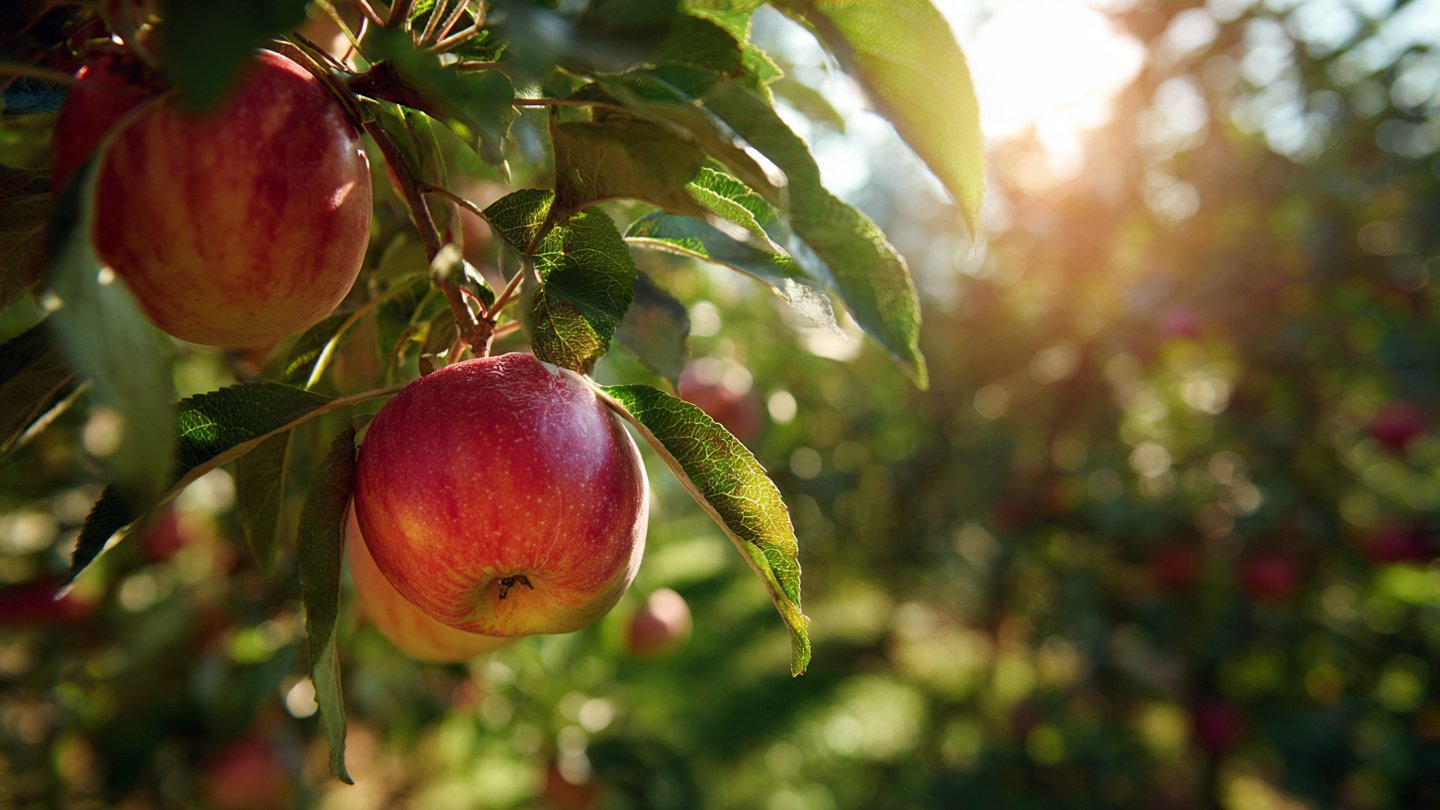
Sunlight is the primary energy source for all plants, and for fruit trees, it is a critical factor in determining health, growth, and fruit production. The intensity, duration, and quality of sunlight directly influence photosynthesis, flowering, fruit set, and overall tree vigor. Whether you are a backyard gardener or managing a small orchard, understanding how sunlight affects fruit trees can help you make informed decisions about planting, pruning, and care to maximize yield and fruit quality.
This comprehensive guide explores the influence of sunlight on fruit trees, the problems caused by insufficient light, and practical strategies to optimize light exposure for healthier, more productive trees.
Why Sunlight Is Essential for Fruit Trees
Sunlight drives photosynthesis, the process by which plants convert light energy into chemical energy. This energy fuels:
- Leaf development
- Flower and fruit formation
- Root growth
- Nutrient absorption
For fruit trees, the amount and quality of sunlight determine how efficiently they can produce sugars, which directly impacts fruit sweetness, size, and flavor. Inadequate sunlight can lead to weak growth, fewer flowers, smaller fruits, and susceptibility to disease.
Understanding Sunlight Requirements for Different Fruit Trees
Not all fruit trees have the same sunlight needs. Generally, fruit trees are categorized as full-sun, partial-sun, or shade-tolerant:
- Full-Sun Trees
- Require at least 6–8 hours of direct sunlight daily.
- Examples: Apple, peach, pear, cherry, citrus.
- Benefits: Strong growth, high fruit yield, better sugar content.
- Partial-Sun Trees
- Thrive with 4–6 hours of sunlight per day.
- Examples: Blueberry, fig, some plum varieties.
- Benefits: Moderate fruiting and growth in partially shaded areas.
- Shade-Tolerant Trees
- Can survive in filtered sunlight or light shade.
- Examples: Certain mulberry varieties.
- Benefits: Lower fruit production but more resilient to heat stress.
Knowing your tree’s sunlight preference is essential before planting or relocating it.
How Sunlight Affects Fruit Tree Growth
1. Photosynthesis and Energy Production
Sunlight enables leaves to convert carbon dioxide and water into sugars and oxygen. These sugars provide the energy necessary for:
- Leaf expansion
- Stem and branch growth
- Root system development
A tree with ample sunlight develops a dense canopy and a strong root system, which supports heavy fruit loads.
2. Flowering and Fruit Set
Light exposure plays a key role in triggering flowering. In many fruit trees:
- Short or insufficient sunlight delays bloom.
- Inadequate light reduces the number of flowers and the chance of pollination.
- Trees in full sun tend to produce more uniform and abundant flowers, which translates into higher fruit set.
3. Fruit Quality
Sunlight influences sugar accumulation, acidity, and color development:
- Fruits on well-lit branches tend to be sweeter, juicier, and more flavorful.
- Poor light leads to smaller, bland, or pale-colored fruits.
- Light also promotes the development of anthocyanins and carotenoids, enhancing fruit color and antioxidant content.
4. Disease Resistance
Healthy photosynthesis and energy production strengthen the tree’s immune system:
- Sunlight encourages proper leaf drying, reducing fungal infections.
- Dense shade can create humid microclimates, favoring mold and mildew.
- Trees with adequate light produce stronger bark and tissues, resisting pests and disease.
Common Problems Caused by Insufficient Sunlight
Fruit trees in shaded areas or receiving limited sunlight often face:
- Slow growth and weak branches
- Sparse flowering and low fruit yield
- Poor fruit color and flavor
- Higher susceptibility to fungal diseases
- Leggy, elongated growth as trees stretch toward light
Recognizing these signs allows gardeners to take corrective action, such as pruning or relocation.
Maximizing Sunlight Exposure for Fruit Trees
1. Strategic Planting
- Place fruit trees where they receive maximum morning and afternoon sun.
- Avoid planting near tall buildings, fences, or larger trees that cast long shadows.
- Consider the seasonal angle of sunlight to prevent shading during critical growth periods.
2. Pruning for Light Penetration
Pruning improves light distribution within the canopy:
- Remove dead, overcrowded, or crossing branches.
- Thin out dense areas to allow sunlight to reach inner leaves.
- Maintain an open center for dwarf and semi-dwarf fruit trees to maximize light exposure.
Proper pruning not only improves sunlight penetration but also enhances air circulation.
3. Use Reflective Surfaces
Reflective materials like white walls or light-colored mulch can bounce sunlight onto shaded parts of the tree:
- Increase photosynthesis in lower or shaded branches.
- Improve fruit ripening and color uniformity.
This is especially useful in small urban gardens or spaces with limited natural sunlight.
4. Consider Tree Orientation
- Plant rows of fruit trees north-south to ensure even sun exposure on both sides.
- Avoid east-west rows if the goal is uniform fruit ripening, as one side may receive more shade.
Tree orientation affects both yield and fruit quality.
5. Seasonal Adjustments
- Thin competing plants or weeds that block sunlight.
- Temporarily relocate potted fruit trees to sunnier areas.
- Use protective covers during harsh summer sunlight while maintaining enough exposure for photosynthesis.
Adapting to seasonal changes ensures consistent growth and fruit production.
Supplemental Lighting for Fruit Trees Indoors
For indoor fruit trees or greenhouse setups, artificial light can mimic sunlight:
- Full-spectrum LED grow lights replicate sunlight and support photosynthesis.
- Provide 12–16 hours of light daily during fruiting stages.
- Position lights to cover the entire canopy for even growth.
- Combine with natural sunlight when possible to reduce energy costs.
Supplemental lighting is particularly useful for tropical fruit trees grown indoors in temperate climates.
Monitoring Sunlight Impact
Tracking your trees’ response to sunlight helps optimize care:
- Observe leaf color: Dark green leaves indicate sufficient light; pale leaves suggest deficiency.
- Monitor flower and fruit set: Consistent flowering and healthy fruiting indicate adequate sunlight.
- Check for uneven growth: Branches leaning toward the sun may need pruning or repositioning.
- Measure light intensity: Light meters or smartphone apps can provide precise readings for optimal exposure.
Regular monitoring ensures you can adjust placement, pruning, or supplemental lighting as needed.
Benefits of Proper Sunlight Management
- Increased fruit yield and quality
- Stronger tree structure and root development
- Reduced pest and disease problems
- Better sugar content, color, and flavor in fruits
- Longer lifespan and sustained productivity of trees
Sunlight management is a cost-effective and natural way to improve orchard health and productivity.
Common Mistakes to Avoid
- Planting fruit trees in shaded areas without assessing sunlight patterns
- Overcrowding trees, limiting sunlight penetration
- Neglecting pruning, causing dense canopies that block inner leaves
- Ignoring seasonal sunlight changes
- Failing to supplement indoor trees with artificial light when needed
Avoiding these mistakes ensures trees thrive and produce high-quality fruit consistently.
Final Thoughts
Sunlight is fundamental to the health and productivity of fruit trees. It influences every aspect of growth, from photosynthesis and flowering to fruit size, sweetness, and disease resistance. By understanding sunlight requirements, strategically positioning trees, pruning for light penetration, and using supplemental lighting when necessary, gardeners can optimize growth and fruit production.
For home orchards, backyard gardens, or indoor fruit trees, managing sunlight exposure is one of the most effective ways to ensure vibrant foliage, abundant flowers, and delicious, nutrient-rich fruits. By observing your trees, adjusting care practices, and maximizing light availability, you can create a thriving fruit-growing environment that delivers beauty and bounty year after year.