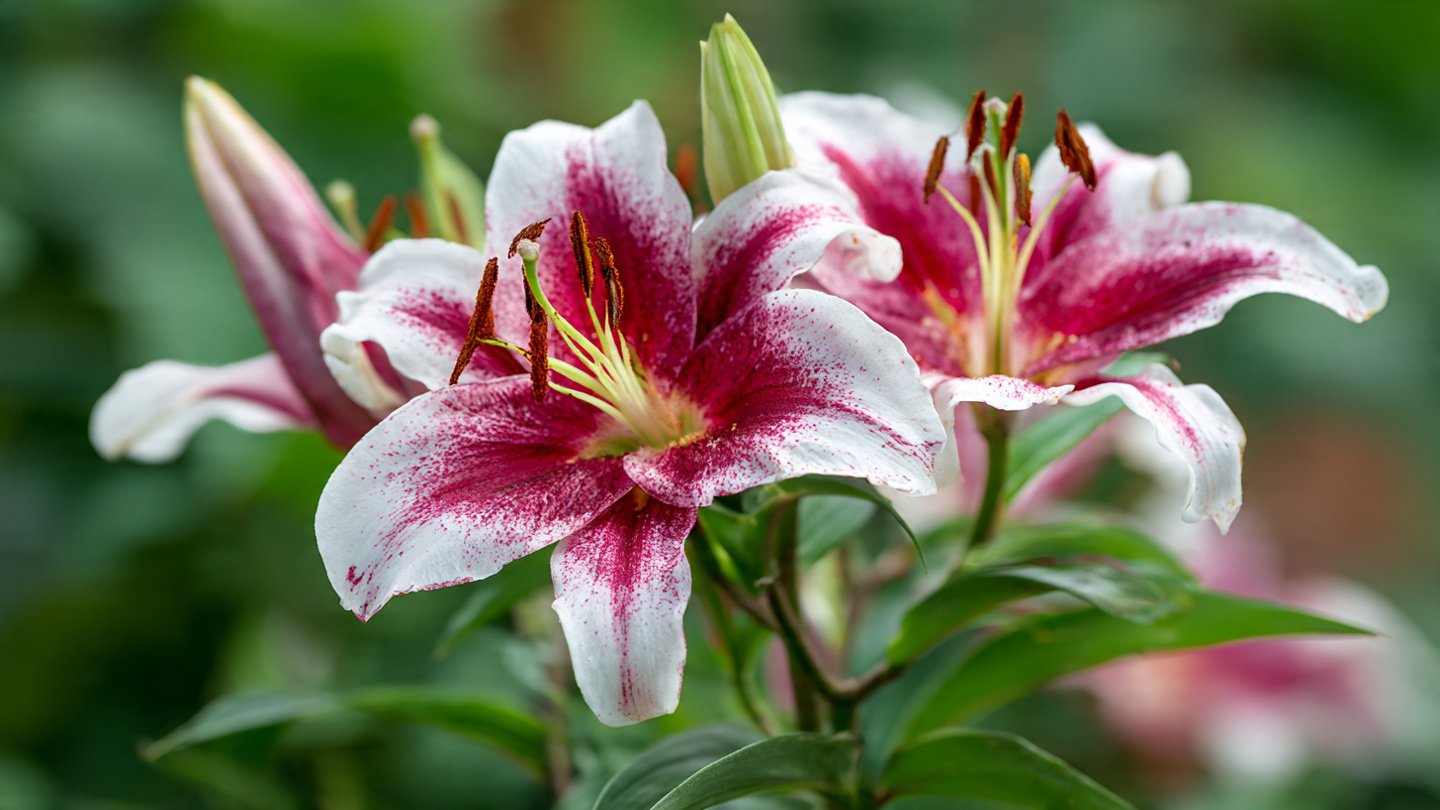
Lilies are among the most elegant and beloved flowering plants in gardens worldwide. With their striking petals, delightful fragrance, and towering stems, they bring beauty and charm to any landscape. However, one of the most common challenges gardeners face is bulb rot, a condition that can quickly ruin lily bulbs and prevent healthy growth. Bulb rot is often caused by fungal infections, poor drainage, or improper care, and it can spread rapidly if not addressed.
Protecting your lilies from bulb rot requires a combination of careful planting, proper soil management, and ongoing care. This article provides a comprehensive guide to understanding, preventing, and managing bulb rot so your lilies can thrive year after year.
Understanding Bulb Rot in Lilies
Bulb rot occurs when lily bulbs become soft, discolored, or foul-smelling due to fungal or bacterial infections. Common pathogens include Fusarium, Pythium, and Botrytis species, which thrive in wet, poorly drained soils. While rot can affect all lily types, certain varieties with tender bulbs, such as Asiatic and Oriental lilies, are more susceptible.
Bulb rot can manifest in two ways:
- Basal Rot – Decay begins at the base of the bulb, often due to standing water or poorly drained soil.
- Neck Rot – Decay occurs near the top or neck of the bulb, sometimes caused by physical damage or prolonged moisture exposure.
If not treated promptly, bulb rot can kill the plant and infect neighboring bulbs. Early detection and preventive care are essential for maintaining healthy lilies.
Choosing Healthy Bulbs
Preventing bulb rot begins before planting. Selecting high-quality bulbs reduces the risk of infection:
- Firm, Plump Bulbs – Avoid bulbs that are soft, shriveled, or discolored. Healthy bulbs should feel solid with no signs of mold.
- Free from Damage – Inspect bulbs for cuts, bruises, or insect damage, which can provide entry points for pathogens.
- Certified Disease-Free Varieties – Purchase bulbs from reputable nurseries that offer disease-tested stock to reduce the risk of introducing pathogens into your garden.
By starting with strong, healthy bulbs, you set the foundation for a vibrant, rot-free lily display.
Soil Preparation and Drainage
Bulb rot often results from prolonged water exposure. Proper soil preparation is crucial:
- Well-Draining Soil – Lilies prefer loose, sandy or loamy soil that drains quickly. Avoid heavy clay soils that retain water.
- Raised Beds or Mounds – Planting lilies on raised beds or small mounds encourages excess water to drain away from bulbs.
- Amend Soil with Organic Matter – Incorporate compost, shredded bark, or perlite to improve soil structure, aeration, and drainage.
- Avoid Overwatering – While lilies need consistent moisture, they should not sit in waterlogged soil. Water only when the top 1–2 inches of soil feels dry.
Proper soil management ensures that bulbs remain dry and healthy, minimizing the risk of fungal infection.
Planting Techniques to Prevent Bulb Rot
Correct planting depth and spacing play a vital role in reducing bulb rot:
- Plant at the Right Depth – Lilies should be planted about 6–8 inches deep, depending on the variety. Planting too shallow exposes bulbs to temperature fluctuations, while too deep can promote rot.
- Provide Adequate Spacing – Space bulbs 8–12 inches apart to allow good air circulation, which helps dry out excess moisture and prevents fungal growth.
- Avoid Planting in Previously Infected Soil – Rotate planting areas each year to prevent lingering fungal spores from affecting new bulbs.
By following proper planting techniques, you create conditions that discourage pathogens and promote strong root development.
Mulching Wisely
Mulching helps regulate soil temperature and retain moisture but must be done carefully:
- Use Light Mulch – Apply a thin layer of straw, bark, or shredded leaves to prevent soil from splashing onto bulbs while allowing airflow.
- Avoid Excessive Mulch – Thick or dense mulch can trap moisture against bulbs, creating ideal conditions for rot.
- Remove Mulch During Wet Periods – In heavy rain or prolonged wet weather, temporarily remove mulch to improve drying and prevent fungal infection.
Proper mulching balances moisture retention with sufficient aeration, reducing the risk of rot.
Watering and Fertilizing Practices
Overwatering is a primary cause of bulb rot, so watering must be carefully managed:
- Water Deeply but Infrequently – Allow the soil to dry slightly between watering sessions.
- Water at the Base – Avoid wetting leaves and stems, which can encourage fungal growth.
- Fertilize Correctly – Use a balanced, slow-release fertilizer. Excess nitrogen encourages leafy growth while weakening bulbs, making them more susceptible to rot.
Maintaining appropriate watering and fertilization ensures healthy bulbs that resist disease naturally.
Preventive Treatments and Fungicides
For gardeners in areas prone to fungal infections, preventive treatments can provide additional protection:
- Fungicide Dips – Before planting, dip bulbs in a fungicide solution to kill any surface spores.
- Soil Treatments – Applying a fungicide to the soil can reduce fungal activity during the growing season.
- Rotate Fungicide Types – Avoid repeated use of the same product to prevent fungal resistance.
Always follow manufacturer instructions carefully when using fungicides to protect both plants and the environment.
Inspecting and Caring for Growing Lilies
Regular inspection of growing lilies helps detect early signs of bulb rot:
- Check for Yellowing Leaves or Wilting – These can indicate stress from rot or fungal infection.
- Monitor Stem and Leaf Bases – Soft or discolored tissue near the soil line may signal infection.
- Remove Affected Plants Promptly – If you notice signs of rot, remove infected bulbs immediately to prevent spread.
Ongoing care and monitoring keep your lily garden healthy throughout the season.
End-of-Season Care
Proper care at the end of the growing season helps protect bulbs for the following year:
- Lift and Store Bulbs – In regions with wet winters, lift bulbs and store them in dry, cool conditions to prevent rot.
- Clean Bulbs Before Storage – Brush off soil and discard any damaged or soft bulbs.
- Store in Well-Ventilated Containers – Avoid plastic bags that trap moisture; use mesh bags, cardboard boxes, or paper sacks.
Seasonal maintenance ensures that lilies return healthy and strong for future blooms.
Additional Tips for Rot Prevention
- Avoid planting lilies in low spots where water pools after rain.
- Incorporate companion plants that improve airflow and reduce moisture buildup.
- Prune and remove dead leaves to reduce fungal growth around the bulb base.
- Choose resistant lily varieties when possible, particularly for wet climates.
By combining these strategies, gardeners can minimize the risk of bulb rot and enjoy robust, long-lasting blooms.
Conclusion
Protecting lilies from bulb rot is a multi-step process that starts with careful selection of healthy bulbs and continues through proper soil preparation, planting, watering, and seasonal maintenance. By understanding the causes and taking preventive measures, gardeners can reduce the risk of fungal infection, promote strong root development, and enjoy vibrant, fragrant blooms year after year.
Healthy lily bulbs produce not only stunning flowers but also a sense of accomplishment and beauty in the garden. With consistent care, attention to drainage, and proper hygiene practices, your lilies can thrive, remaining resistant to rot and ensuring your garden stays bright and elegant season after season.