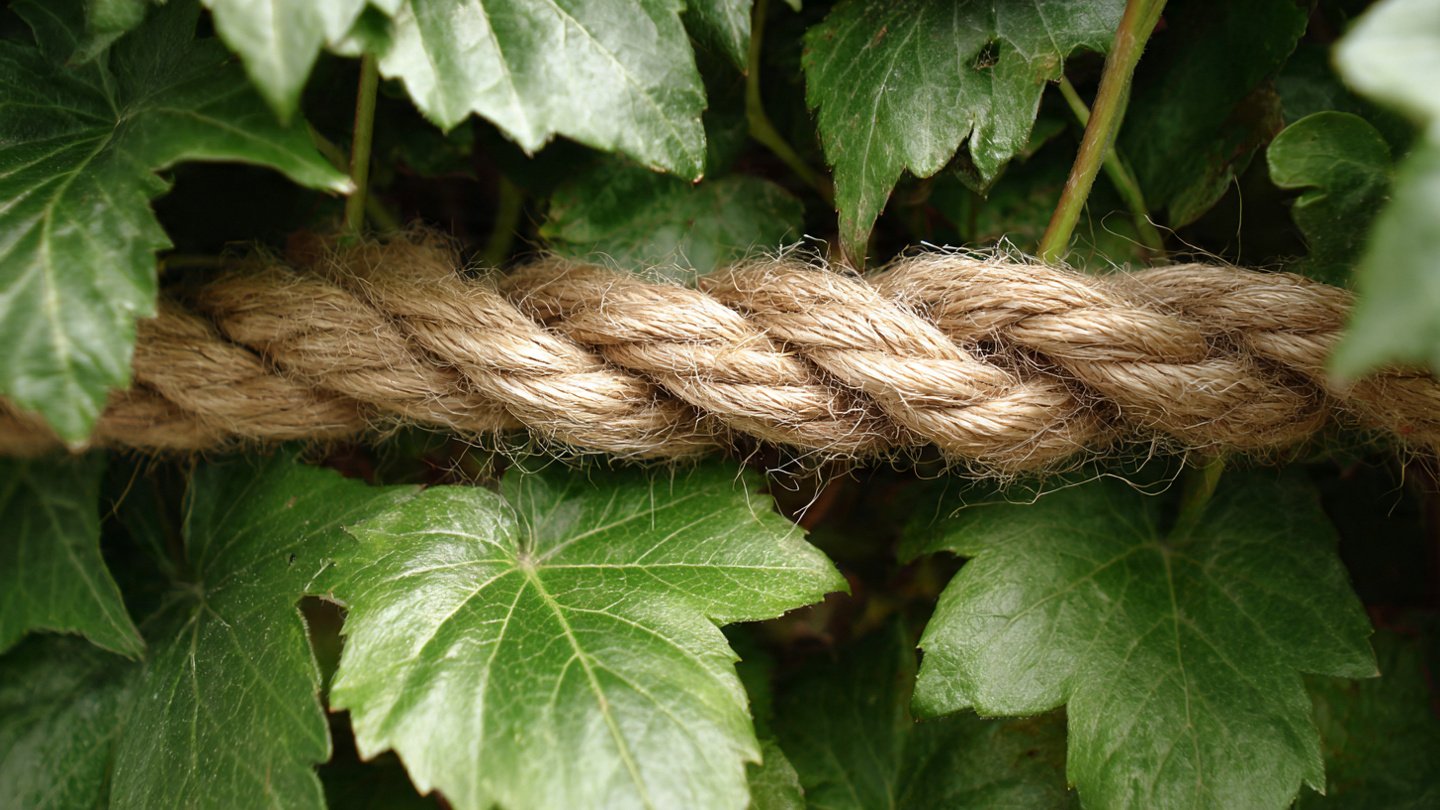
Gardening enthusiasts often face the challenge of keeping heavy, sprawling vines upright. Whether you are growing tomatoes, cucumbers, beans, or flowering climbers, providing proper support is essential for plant health, fruit production, and ease of harvest. One of the most effective, inexpensive, and versatile solutions is garden twine.
Garden twine can support heavy vines, guide their growth, and prevent damage from bending or breaking. This comprehensive guide explores why twine works, how to use it effectively, and tips for maximizing the growth and productivity of your vine plants.
Why Vines Need Support
Vine plants grow by climbing or sprawling along surfaces. When left unsupported, they can experience several problems:
- Breakage of stems – Heavy fruits can cause stems to snap under their weight.
- Reduced air circulation – Sprawling vines limit airflow, increasing the risk of fungal diseases.
- Difficult harvesting – Fruits growing on the ground are harder to reach and more prone to rot or pest damage.
- Weed competition – Ground-level vines can be crowded by weeds, reducing nutrient availability.
By providing vertical or horizontal support with garden twine, gardeners can prevent these issues and promote healthier, more productive plants.
Why Garden Twine Is Ideal for Supporting Vines
Garden twine offers several advantages as a support tool for vine plants:
- Flexible yet strong – Twine can hold heavy vines without cutting into stems.
- Adjustable – It can be tied, looped, or wound around supports to match plant growth.
- Cost-effective – Affordable and widely available in garden centers or online.
- Natural or synthetic options – Biodegradable jute twine is environmentally friendly, while synthetic twine offers durability for long-term use.
- Minimal equipment needed – Twine can be used with stakes, trellises, or poles with simple knots and loops.
With proper use, garden twine can support heavy vines throughout their growing season while remaining gentle on the plants.
Choosing the Right Twine
Not all twine is equally suited for supporting heavy vines. Consider these factors when selecting twine:
- Material
- Natural jute or sisal – Biodegradable, soft on stems, and environmentally friendly.
- Cotton twine – Soft and flexible, good for tender plants.
- Polypropylene or nylon twine – Stronger, weather-resistant, ideal for heavier or long-term supports.
- Thickness
- Medium-thickness twine (2–4 mm) provides adequate strength without damaging stems.
- Very thin twine may cut into the plant under heavy weight, while overly thick twine can be cumbersome to tie.
- Length
- Purchase enough twine to reach the top of supports and wrap around multiple plants if necessary.
- Extra length allows adjustments as vines grow taller or heavier.
Methods for Supporting Heavy Vines with Twine
There are several effective techniques for using twine to support vines. Each method can be adapted to your garden layout and plant type.
1. Vertical Twine Support
This method is ideal for upright-growing vines like tomatoes, pole beans, and cucumbers.
Steps:
- Drive a sturdy stake or pole into the soil near the base of the plant.
- Tie one end of the twine securely to the top of the stake.
- Gently loop the twine around the main stem of the vine or tie it loosely using a slip knot.
- As the plant grows, continue guiding the stem upward, adjusting the twine to prevent constriction.
This method keeps vines upright, promotes air circulation, and supports heavy fruits.
2. Horizontal Trellis System
For sprawling or multi-stemmed vines like gourds or melons, horizontal twine supports work well.
Steps:
- Install two vertical posts at either end of your planting row.
- Run parallel strands of twine horizontally between the posts, spaced 6–12 inches apart.
- Train vines to climb along each twine line, weaving them gently if needed.
- Use additional vertical twine to support individual heavy stems or fruits.
This creates a grid-like trellis that distributes weight and reduces ground contact.
3. Teepee or A-Frame Structure
Teepees or A-frame trellises are excellent for beans, peas, and flowering climbers.
Steps:
- Arrange 3–4 stakes in a cone or A-shape and tie them together at the top.
- Stretch garden twine vertically or diagonally along the stakes.
- Guide vines to climb the twine as they grow.
The triangular structure is naturally stable, reducing the risk of collapse under heavy fruit.
4. Spiral or Loop Support for Large Fruits
Heavy fruits such as cucumbers or squash can be supported by spirals or loops of twine.
Steps:
- Attach a loop of twine to a sturdy overhead support.
- Place the fruit inside the loop or cradle it in a twine sling.
- Adjust the loop as the fruit grows, ensuring it is securely supported.
This prevents the fruit from pulling down the vine and reduces risk of stem breakage.
Tips for Using Garden Twine Safely
- Tie loosely – Avoid tight knots that can constrict stems or damage delicate tissue.
- Use soft knots – Slip knots or figure-eight loops provide support without cutting.
- Check regularly – Adjust twine as vines grow or fruits get heavier.
- Avoid abrasive contact – Add padding (like strips of cloth) if twine rubs against thick stems or large fruits.
- Replace biodegradable twine as needed – Jute or sisal will degrade over time and may need replacement mid-season.
Additional Benefits of Using Twine for Vine Support
- Improved Airflow – Upright vines dry faster after rain or irrigation, reducing fungal disease risk.
- Easier Harvest – Fruits are visible and accessible, making picking more efficient.
- Better Sun Exposure – Leaves receive more light, increasing photosynthesis and fruit production.
- Tidier Garden – Supported vines reduce mess and prevent sprawling onto pathways.
Twine offers both functional and aesthetic benefits, keeping your garden organized while promoting healthy growth.
Common Mistakes to Avoid
- Using twine that is too thin – Can cut into stems or break under weight.
- Not adjusting twine as the vine grows – Can restrict growth and reduce yield.
- Ignoring heavy fruits – Individual large fruits may need separate support to avoid stem damage.
- Neglecting inspection – Regularly check for fraying or weak spots in twine.
Avoiding these mistakes ensures your vine plants remain healthy and productive.
Final Thoughts
Garden twine is a simple, cost-effective, and versatile tool for supporting heavy vines. Its flexibility, strength, and ease of use make it ideal for tomatoes, cucumbers, beans, gourds, and many flowering climbers. By understanding proper tying techniques, selecting the right twine, and providing consistent adjustments, gardeners can prevent stem breakage, improve airflow, and enhance fruit production.
Whether using vertical supports, horizontal trellises, teepees, or individual loops, garden twine can make a significant difference in vine health and productivity. With these strategies, your vines can grow strong, upright, and heavy with healthy fruit, making gardening more enjoyable and successful.