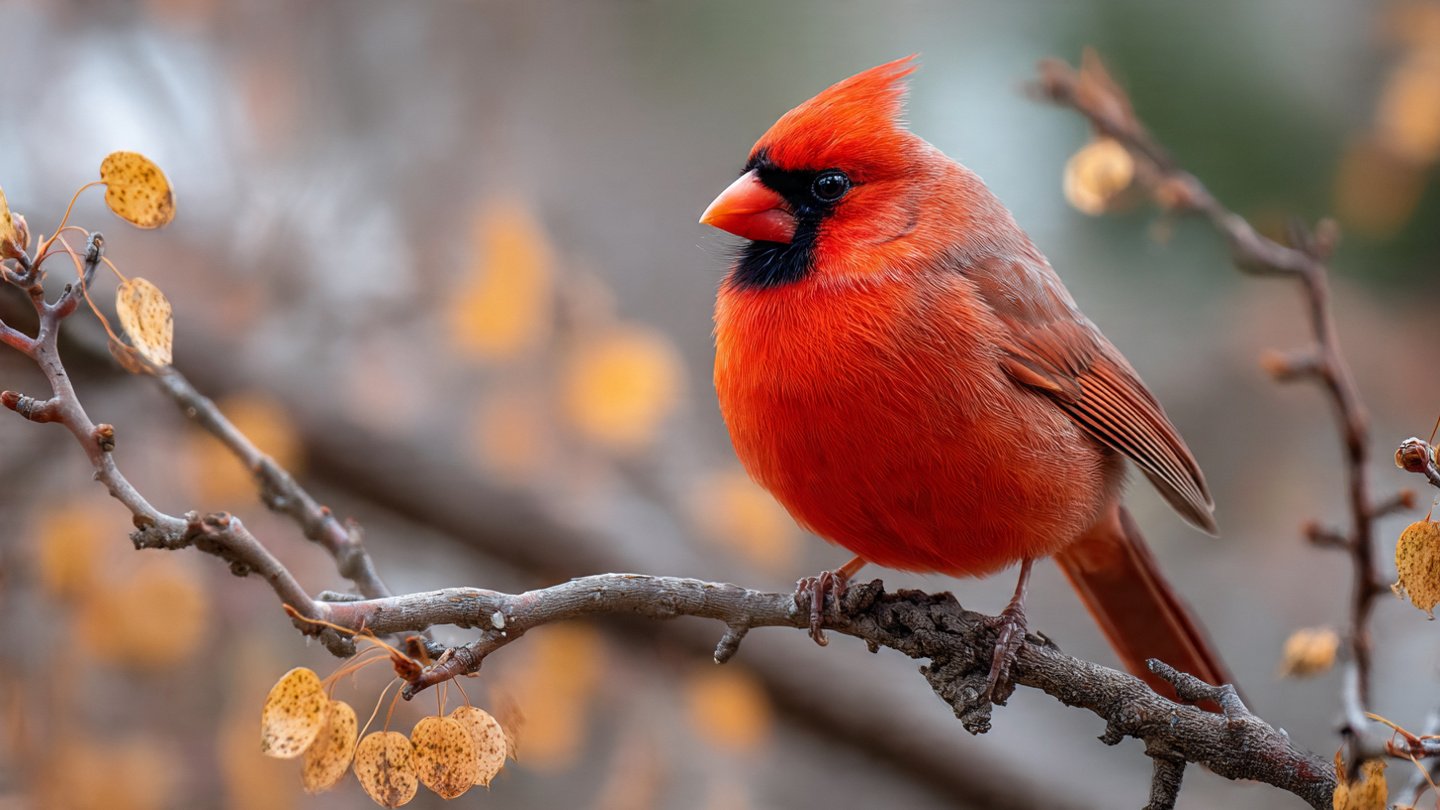
Bird watching is a relaxing, educational, and rewarding hobby that connects people to nature. While many enthusiasts travel to forests, wetlands, or nature reserves to observe birds, you may be surprised to learn that your own garden can offer some of the best opportunities for bird watching. A garden, whether small or large, can attract a variety of local birds if it provides food, water, shelter, and safe resting spots. In fact, with a few simple adjustments, your backyard can become a vibrant haven for birds, offering both entertainment and environmental benefits.
This comprehensive guide explores why your garden is perfect for local bird watching, how to attract different species, and the benefits of turning your outdoor space into a bird-friendly sanctuary.
Why Gardens Are Ideal for Bird Watching
Your garden has several natural advantages that make it a prime location for observing birds:
- Proximity and Convenience – You don’t need to travel far; you can enjoy bird activity right from your window, patio, or deck.
- Consistent Observation – Unlike forests where birds may be elusive, gardens offer daily opportunities to see familiar species.
- Variety of Food Sources – Plants, flowers, seeds, and insects in your garden attract different bird species, offering a diverse viewing experience.
- Safe Environment – Gardens with minimal disturbances and safe hiding spots allow birds to feed, nest, and rest.
By optimizing your garden’s natural features, you create a mini-ecosystem that supports a wide variety of birds.
Key Elements That Attract Birds to Your Garden
Birds visit gardens for food, water, shelter, and safety. By providing these essentials, you can encourage local species to become regular visitors.
1. Food Sources
Food is the primary reason birds frequent a garden. Different species prefer different types of food:
- Seeds and Grains – Sunflower seeds, millet, and safflower seeds attract finches, sparrows, and cardinals.
- Fruits and Berries – Planting berry bushes like elderberry, mulberry, or holly draws thrushes, robins, and waxwings.
- Insects – A healthy garden with flowers and shrubs encourages insects, attracting insect-eating birds such as warblers and chickadees.
Providing a mix of natural and supplemental food keeps birds engaged throughout the year.
2. Water Sources
Birds need water for drinking and bathing. Adding water features to your garden can greatly increase bird activity:
- Birdbaths – Simple shallow basins with fresh water attract most garden birds.
- Fountains – Moving water is particularly appealing, as the sound and motion signal a safe drinking source.
- Ponds – Larger gardens can incorporate small ponds, attracting water-loving birds like ducks and herons.
Remember to change water frequently to prevent stagnation and mosquito breeding.
3. Shelter and Nesting Areas
Birds seek shelter for safety from predators and harsh weather, as well as places to nest:
- Shrubs and Bushes – Dense shrubs offer hiding spots and resting places.
- Trees – Native trees provide perches, shade, and nesting sites.
- Birdhouses and Nest Boxes – Installing species-specific houses encourages breeding and prolonged visits.
A combination of natural and artificial shelters creates a comfortable environment for birds to thrive.
4. Safety from Predators
Birds are more likely to frequent gardens that feel safe:
- Avoid using pesticides and harmful chemicals that could poison birds.
- Keep cats and dogs away from feeding areas when possible.
- Plant thorny shrubs or hedges as natural barriers against predators.
By creating a secure environment, you increase both the quantity and variety of bird visitors.
Types of Birds Commonly Found in Gardens
Depending on your location, a variety of local birds may visit your garden:
- Songbirds – Finches, sparrows, warblers, and cardinals are frequent garden visitors, especially if seeds and berries are available.
- Hummingbirds – Attracted by flowering plants rich in nectar, these tiny birds are fascinating to watch.
- Waterfowl – Ducks and herons may visit larger ponds or water features.
- Birds of Prey – Hawks or owls may occasionally fly over, especially if your garden attracts small mammals or insects.
Keeping a bird identification guide or app nearby enhances your bird watching experience.
Seasonal Considerations
Bird activity in your garden changes with the seasons:
- Spring: Birds focus on mating and nesting. Provide nesting materials such as twigs, leaves, and grass clippings.
- Summer: Offer fresh water and shade to help birds cope with heat.
- Autumn: Many birds migrate; providing berries and seeds supports them during long journeys.
- Winter: Ensure accessible food and water, as natural resources may be scarce.
Adjusting your garden features seasonally ensures year-round bird activity.
How to Enhance Your Garden for Bird Watching
Here are practical steps to make your garden an ultimate bird watching spot:
- Plant Native Flora – Native plants support local insect populations and provide natural food sources.
- Create Layers of Vegetation – Trees, shrubs, and ground cover mimic natural habitats.
- Install Multiple Feeding Stations – Separate feeders prevent crowding and attract different species.
- Provide Perches – Branches, trellises, or decorative posts allow birds to rest and observe their surroundings.
- Minimize Disturbances – Avoid loud machinery or frequent human traffic near key feeding or nesting areas.
- Keep a Journal or Camera – Record bird species, behaviors, and visits to track seasonal patterns and increase engagement.
Benefits Beyond Bird Watching
Transforming your garden into a bird-friendly space provides additional advantages:
- Pest Control: Birds naturally eat insects, helping reduce garden pests.
- Pollination: Some birds assist in pollination, benefiting flowers and fruit-bearing plants.
- Educational Opportunities: Observing birds can teach children and adults about ecology, species diversity, and environmental stewardship.
- Mental Well-being: Bird watching reduces stress, improves focus, and encourages time outdoors.
By attracting birds, you create a healthier, more balanced ecosystem in your garden.
Common Mistakes to Avoid
- Using Harmful Pesticides: These can poison birds or reduce their natural food sources.
- Overcrowding Feeders: Can cause competition and deter shy species.
- Ignoring Water Sources: Birds need fresh water year-round, not just during summer.
- Neglecting Shelter: Without safe perches or nesting areas, birds may avoid your garden.
Avoiding these mistakes ensures a welcoming and sustainable environment for local birds.
Final Thoughts
Your garden has the potential to be an exceptional spot for local bird watching. By providing food, water, shelter, and safety, you create an inviting habitat that attracts a variety of species throughout the year. Not only does this offer endless entertainment and educational opportunities, but it also supports local biodiversity and enhances your outdoor space.
With careful planning, seasonal adjustments, and simple bird-friendly practices, your backyard can become a haven for birds—a place where you can enjoy the beauty, color, and song of your feathered neighbors every day.
Bird watching doesn’t require traveling far; it can happen right outside your window, bringing nature closer to home while transforming your garden into a lively and thriving ecosystem.