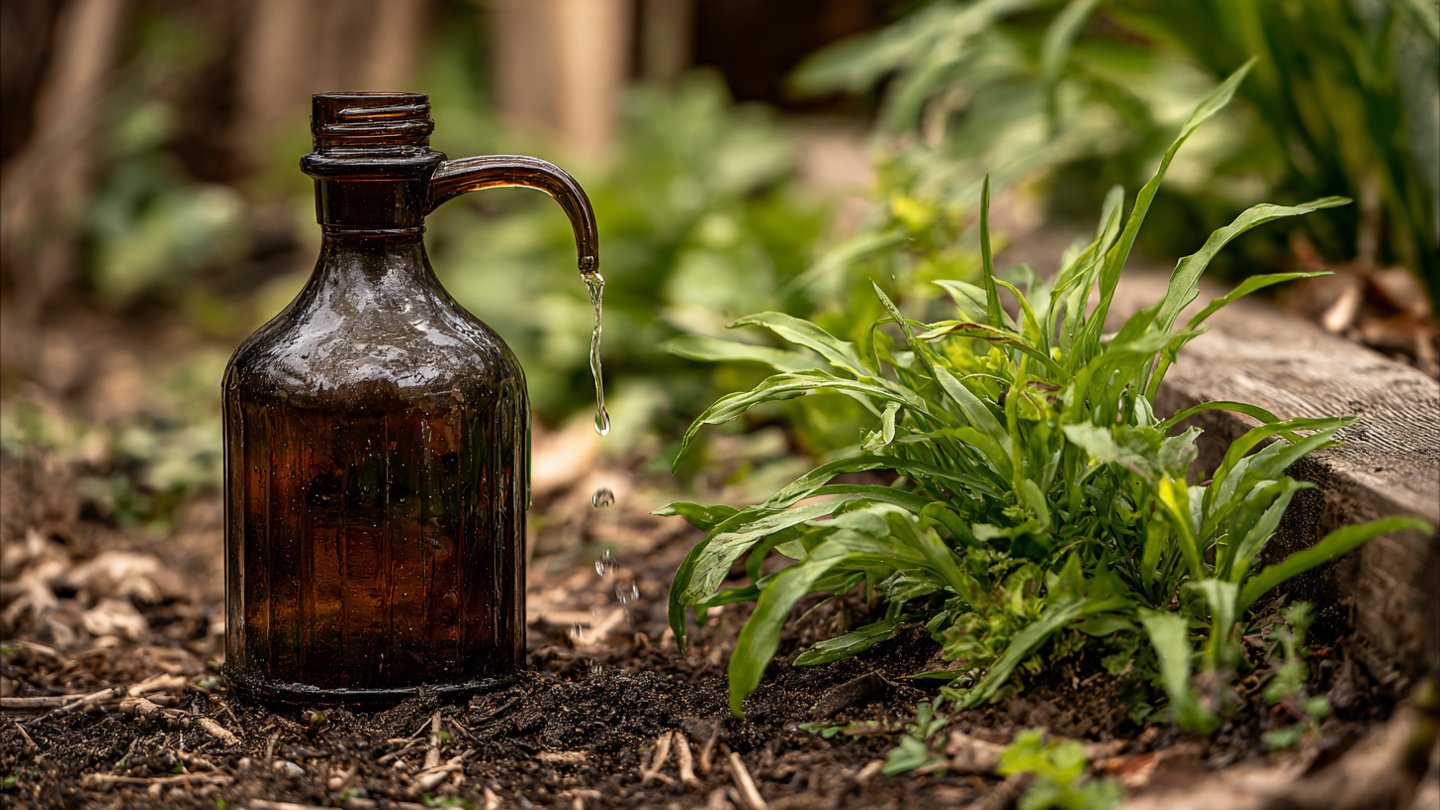
Weeds are one of the most persistent challenges for gardeners and homeowners alike. They compete with desirable plants for nutrients, water, and sunlight, and can quickly take over flower beds, vegetable gardens, and even cracks in the driveway. While chemical herbicides are effective, many gardeners seek natural alternatives that are safe, eco-friendly, and inexpensive. One such alternative that has gained popularity is vinegar. But can this common household ingredient really be a secret weapon against weeds?
This article delves into how vinegar works as a weed control solution, its effectiveness, safety considerations, and tips for proper use in your garden.
Understanding How Vinegar Works on Weeds
Vinegar contains acetic acid, which is the key ingredient responsible for its weed-killing properties. Acetic acid works by burning the foliage of plants it comes into contact with. When sprayed directly onto a weed, vinegar can cause the leaves to dry out, turn brown, and die over time.
However, it’s important to note that vinegar does not usually kill roots. For perennial weeds with deep roots, vinegar may control visible leaves but the plant can regrow from its underground structures. Annual weeds, which rely solely on seeds, are more susceptible to vinegar-based treatments.
Types of Vinegar for Weed Control
Not all vinegars are equally effective for killing weeds. Common household vinegars typically contain about 5% acetic acid, while horticultural vinegars may contain 10–20% acetic acid. Here’s a breakdown:
- Household Vinegar (5% acetic acid):
- Safe for general use around children and pets
- Effective on young, small weeds
- May require multiple applications for stubborn weeds
- Horticultural Vinegar (10–20% acetic acid):
- Much stronger and more potent
- Can kill larger and more established weeds
- Requires careful handling, gloves, and protective clothing
Choosing the right concentration depends on the type of weeds you are dealing with and your comfort level with stronger acids.
Advantages of Using Vinegar for Weed Control
Vinegar offers several benefits that make it appealing for eco-conscious gardeners:
- Non-toxic to soil: Unlike some chemical herbicides, vinegar breaks down quickly and doesn’t linger in the soil.
- Safe for pets and children: When used properly, household vinegar poses minimal risks.
- Environmentally friendly: It reduces reliance on synthetic chemicals that may contaminate water sources.
- Affordable and accessible: Most households already have vinegar in the kitchen.
These factors make vinegar a convenient alternative for small gardens, patios, and urban gardening spaces.
Limitations and Challenges
While vinegar can be effective, it’s not a miracle solution. Some limitations include:
- Non-selective: Vinegar will damage any plant it touches, including your desirable flowers or vegetables. Careful application is essential.
- Limited root control: Perennial weeds and deep-rooted plants may regrow even after repeated vinegar applications.
- Sunlight dependence: Vinegar works best in direct sunlight, as heat helps accelerate the burning of leaves.
- Multiple treatments: Stubborn weeds often require several applications before dying completely.
Understanding these limitations ensures realistic expectations and helps you integrate vinegar as part of a broader weed management plan.
Best Practices for Using Vinegar Against Weeds
To maximize effectiveness and safety, follow these practical tips:
1. Spray on Sunny Days
Apply vinegar on hot, sunny days for best results. Sunlight enhances leaf burn and helps dry the foliage quickly, improving the effectiveness of the treatment.
2. Target Young Weeds
Young, tender weeds are more susceptible to vinegar than mature, woody plants. Apply the spray early in the season or soon after weeds germinate for maximum control.
3. Use Protective Gear
Even household vinegar can irritate skin and eyes. Gloves, long sleeves, and eye protection are recommended when spraying, especially with stronger horticultural vinegar.
4. Apply Directly to Leaves
Vinegar is non-selective, so avoid spraying nearby plants you want to keep. Use a spray bottle or brush to apply vinegar directly to weed leaves.
5. Consider Combining With Other Methods
Vinegar works best as part of an integrated weed management strategy. For tougher weeds:
- Pull weeds manually after vinegar weakens them
- Use mulch to prevent new weed seeds from germinating
- Rotate vinegar applications with other organic methods for persistent weeds
Household Recipes for Vinegar Weed Killer
For small-scale use, household vinegar can be mixed with other ingredients to boost effectiveness:
- Vinegar and Salt: Combine 1 gallon of 5% vinegar with 1 cup of table salt and a few drops of dish soap. Salt enhances desiccation, while soap helps the mixture stick to leaves.
- Vinegar and Soap Only: Mix 1 gallon of vinegar with 1 tablespoon of dish soap to increase leaf coverage and penetration.
Always test on a small patch first to observe effectiveness and prevent accidental damage to desirable plants.
Safety Considerations
While vinegar is natural, it must still be used responsibly:
- Avoid spraying near edible plants, as high concentrations may affect taste or growth.
- Do not store horticultural vinegar in children’s reach.
- Rinse accidental overspray on non-target plants immediately with water.
- Avoid excessive application on soil to prevent altering pH levels, especially with repeated salt-containing solutions.
Following safety guidelines ensures that vinegar remains a beneficial, low-risk option.
Alternative Uses of Vinegar in the Garden
Vinegar isn’t just for weed control. Other gardening uses include:
- Cleaning garden tools: Vinegar removes rust and disinfects pruners, trowels, and shears.
- Preventing fungal growth: Diluted vinegar sprays can reduce mildew on leaves.
- Deterring pests: Ants and some small insects dislike vinegar, helping to protect plants.
These additional uses make vinegar a multifunctional, eco-friendly gardening tool.
Conclusion: Vinegar as a Secret Weapon
Vinegar can be a powerful ally in your fight against weeds, especially in small gardens, patios, and areas where chemical herbicides are undesirable. Its effectiveness is greatest on young, tender weeds and when applied on sunny days. However, it is not a universal solution; perennial weeds with deep roots may require additional methods, and care must be taken to protect desirable plants.
Used correctly, vinegar is safe, affordable, and environmentally friendly, making it a valuable part of an organic weed management strategy. Whether you’re maintaining a vegetable garden, a flower bed, or just your driveway, vinegar can help reduce weed growth and keep your outdoor space clean and beautiful.
By understanding its strengths and limitations, gardeners can leverage vinegar as a secret weapon to maintain a weed-free garden naturally, while promoting safety, sustainability, and eco-conscious gardening practices.