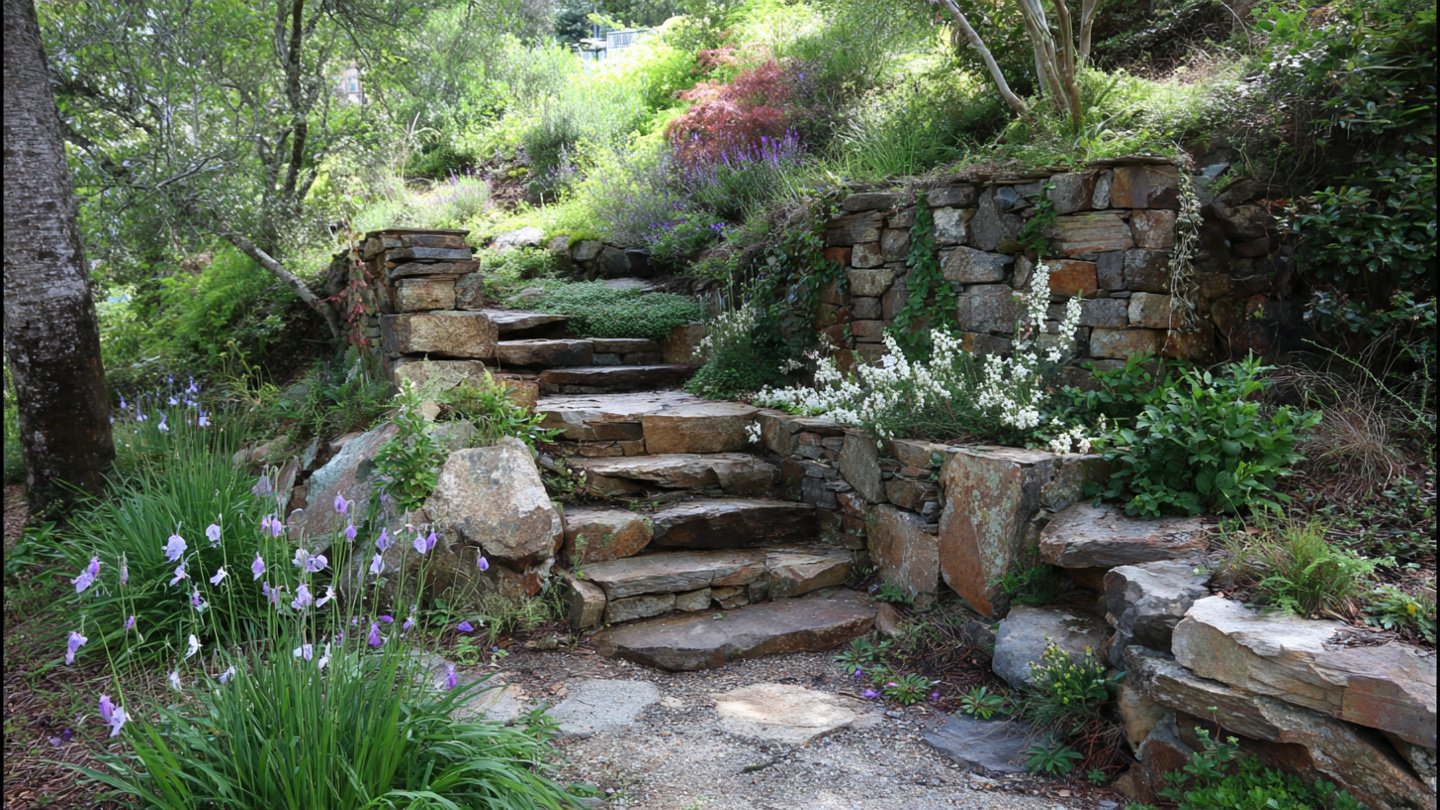
Stone walls are more than just a structural feature or decorative boundary in a garden. Beyond their aesthetic appeal, they play a vital role in moderating temperature, protecting plants, and improving the overall microclimate of your outdoor space. One of the most significant benefits of stone walls is their ability to enhance thermal mass, a property that helps absorb, store, and release heat, creating a more stable and favorable environment for plants. Understanding how stone walls function as thermal mass can transform your garden design and optimize plant growth year-round.
What is Thermal Mass?
Thermal mass refers to a material’s ability to absorb and store heat energy and release it gradually over time. Materials like stone, brick, and concrete have high thermal mass because they are dense and can hold heat efficiently. In the context of a garden, thermal mass can help regulate temperature fluctuations by absorbing warmth during the day and releasing it slowly at night.
By stabilizing temperatures, thermal mass creates a microclimate that is beneficial for many plants, especially those sensitive to frost or sudden temperature swings. Stone walls, terraces, and retaining walls can act as passive solar devices that improve garden conditions without the need for electricity or mechanical systems.
How Stone Walls Function as Thermal Mass
Stone walls absorb heat from the sun during the day, particularly when they are positioned in direct sunlight. The dense material slowly releases this heat after sunset, raising nighttime temperatures in their immediate vicinity. This property is particularly beneficial for:
- Frost Protection: By releasing stored heat during cool nights, stone walls can help prevent frost damage to sensitive plants.
- Extended Growing Season: Warmer nighttime temperatures allow plants to grow for longer periods, even in cooler climates.
- Microclimate Creation: Stone walls can create sheltered, warm areas that encourage healthy plant growth and attract pollinators.
Additionally, stone walls block wind, reducing heat loss from the garden and preventing desiccation of plants during cold or dry spells. The combination of windbreak and heat storage makes stone walls an essential tool in sustainable garden design.
Choosing the Right Stone for Maximum Thermal Mass
Not all stones store heat equally. When designing a garden with thermal mass in mind, consider the following:
- Density: Denser stones, such as granite, basalt, and limestone, store more heat than lighter stones like sandstone.
- Color: Darker stones absorb more heat from sunlight, enhancing their ability to function as thermal mass.
- Size and Thickness: Larger stones with more mass retain heat longer, providing prolonged warmth during cooler nights.
Stone walls don’t need to be massive to have an effect. Even a single layer of stone in strategic locations can improve microclimate conditions for plants.
Placement and Orientation for Optimal Thermal Mass
The placement of stone walls determines their effectiveness in enhancing thermal mass. Consider these key strategies:
- South-Facing Walls (Northern Hemisphere): Walls facing south capture the most sunlight throughout the day, maximizing heat absorption.
- East or West Walls: These can provide morning or afternoon warmth, protecting plants during critical growth periods.
- Proximity to Plants: Place walls near beds, containers, or fruit trees that benefit from extra warmth.
- Elevation: Raised stone terraces or retaining walls can increase sunlight exposure and improve air circulation around plants.
By strategically placing stone walls, gardeners can harness solar energy efficiently, creating warm pockets in the garden that improve plant growth and yield.
Benefits of Stone Walls for Plants
- Frost Mitigation: Nighttime warmth from stone walls can prevent frost damage, especially for delicate vegetables, herbs, and flowering plants.
- Temperature Regulation: By absorbing daytime heat and releasing it at night, stone walls reduce temperature swings, which can stress plants.
- Enhanced Soil Warming: Heat radiated from stone walls warms nearby soil, promoting root activity and earlier plant growth in spring.
- Wind Protection: Stone walls act as windbreaks, reducing evapotranspiration and helping plants retain moisture.
- Support for Climbing Plants: Vertical stone walls provide a stable structure for vines and climbers while simultaneously creating a microclimate at the base.
Combining Stone Walls with Other Thermal Mass Features
To maximize the thermal benefits of stone in your garden, combine stone walls with other high thermal mass features:
- Patios and Pathways: Stone paving adjacent to walls absorbs additional heat and radiates it toward nearby plants.
- Rock Mulch: Using small stones or gravel around plants helps moderate soil temperatures.
- Water Features: Ponds or water tanks near stone walls can enhance heat retention due to water’s thermal mass.
- Raised Beds: Placing stone walls around or behind raised beds creates warmer zones for early planting and extended harvests.
The synergy between multiple thermal mass elements can significantly improve growing conditions, particularly in cooler climates or high-altitude gardens.
Seasonal Considerations
Stone walls are particularly valuable in gardens with significant temperature fluctuations:
- Winter: During sunny winter days, stone walls absorb heat and protect cold-sensitive plants from frost.
- Spring: Early warming of soil and air around walls encourages earlier flowering and fruiting.
- Summer: While thermal mass can store heat, it may overheat in very hot climates. Mitigate excessive heat by planting shade-loving plants near walls or using deciduous climbers to provide seasonal shading.
- Fall: Walls continue to release stored heat, extending the growing season for late-season crops.
Understanding seasonal effects ensures that your stone walls provide optimal benefits year-round.
Aesthetic and Functional Advantages
Beyond thermal benefits, stone walls enhance garden aesthetics and functionality:
- Visual Interest: Textured stone walls add depth, contrast, and a timeless element to garden design.
- Structural Support: Retaining walls and terraced walls prevent soil erosion on slopes.
- Habitat Creation: Crevices in stone walls provide shelter for beneficial insects, lizards, and pollinators, contributing to a healthy garden ecosystem.
- Low Maintenance: Stone walls are durable and require minimal upkeep compared to wooden or synthetic structures.
Tips for Maximizing Thermal Mass in Your Garden
- Use Dark, Dense Stones: They absorb and retain more heat, improving their effect as thermal mass.
- Position Strategically: Place walls to capture the most sunlight and benefit plants during the night.
- Combine with Raised Beds: Plant heat-loving crops near walls for early growth.
- Integrate Mulch or Gravel: Enhance heat retention around plant bases.
- Monitor Plant Response: Adjust plant placement based on how well they respond to the microclimate created by the wall.
Conclusion
Stone walls are a versatile, functional, and beautiful addition to any garden. Beyond their structural and aesthetic roles, they enhance thermal mass, creating microclimates that stabilize temperatures, protect plants from frost, and promote healthy growth. By understanding how thermal mass works, selecting the right stones, and strategically placing walls, gardeners can harness passive solar energy to optimize plant performance and extend the growing season. Combining stone walls with other thermal mass features, such as paving, raised beds, and gravel, can further enhance these benefits.
In addition to boosting plant health, stone walls contribute to the garden’s beauty, longevity, and sustainability, making them a valuable investment for any gardener looking to maximize the potential of their outdoor space. Whether you are growing vegetables, flowers, or shrubs, leveraging the thermal properties of stone can help you create a thriving, resilient, and visually stunning garden environment.