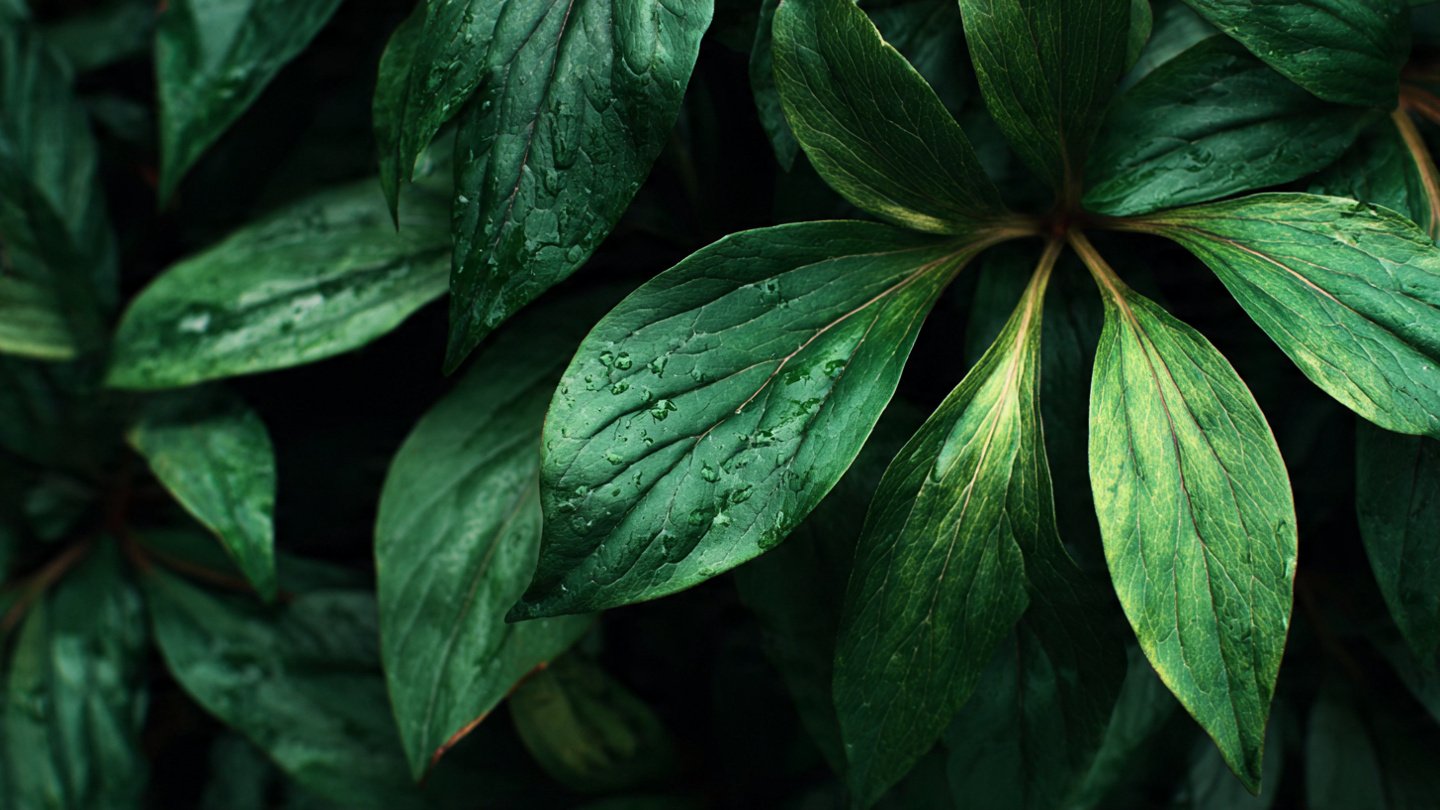
Peonies are beloved for their large, fragrant blooms and vibrant garden presence. But when their lush green leaves start turning yellow in midsummer—especially in July—it can be alarming for gardeners. Yellowing leaves, also known as chlorosis, may indicate a range of issues, from natural seasonal changes to environmental stress, nutrient deficiencies, or disease. Understanding the causes is essential for keeping your peonies healthy and ensuring strong blooms year after year.
This guide explores why peony leaves turn yellow in July, the most common causes, and practical solutions to address the problem.
1. Natural Aging and Seasonal Changes
One of the simplest reasons for yellow leaves is natural aging. By July, peonies have typically completed their flowering cycle, and their foliage naturally begins to yellow as the plant prepares for dormancy.
- Signs: Yellowing starts at the base of older leaves, while newer growth remains green.
- Action: No intervention is needed. Allow leaves to gradually die back, as they help feed the roots for next season’s growth.
- Tip: Cut back yellow leaves only after they are fully brown and dry to prevent disrupting nutrient storage.
This process is normal and nothing to worry about if the plant looks healthy otherwise.
2. Overwatering or Poor Drainage
Peonies prefer well-drained soil. Excess water can lead to root stress, causing leaves to yellow:
- Signs: Yellowing leaves accompanied by soft stems or soggy soil.
- Cause: Waterlogged soil reduces oxygen around roots, inhibiting nutrient uptake.
- Solution:
- Check soil drainage and improve with compost or organic matter.
- Avoid watering during rainy periods.
- Consider raised beds for better drainage.
Proper watering practices can quickly restore leaf health.
3. Nutrient Deficiency
Peony leaves turning yellow can indicate a lack of essential nutrients, particularly nitrogen, iron, or magnesium:
- Nitrogen deficiency: Older leaves yellow first while young leaves remain green. Growth may be stunted.
- Iron deficiency: Yellowing occurs between veins (interveinal chlorosis), mainly on younger leaves.
- Magnesium deficiency: Yellowing starts at the edges of older leaves, often with curling.
How to fix it:
- Conduct a soil test to identify deficiencies.
- Apply a balanced slow-release fertilizer in early spring or mid-summer if needed.
- Foliar sprays with chelated iron can correct iron deficiencies quickly.
Regular soil nutrition keeps peonies lush and resilient.
4. Excessive Sun or Heat Stress
Although peonies enjoy full sun, intense heat in July can stress plants and cause yellowing leaves:
- Signs: Leaves may appear pale or scorched, often with dry tips.
- Cause: High temperatures combined with insufficient watering lead to temporary stress.
- Solution:
- Water deeply in the morning to reduce heat stress.
- Mulch around the base to retain soil moisture and regulate temperature.
- Provide partial afternoon shade for young or sensitive plants.
Heat stress usually resolves once temperatures cool or with proper hydration.
5. Fungal Diseases
Several fungal diseases can cause yellowing leaves, sometimes accompanied by spots or wilting:
- Botrytis Blight (Gray Mold): Common after wet weather; causes black spots and wilting.
- Powdery Mildew: White, powdery coating on leaves can cause yellowing.
- Leaf Blotch: Red or purple spots with surrounding yellow tissue.
Management:
- Remove and dispose of affected leaves.
- Improve air circulation by spacing plants properly.
- Avoid overhead watering to keep foliage dry.
- Fungicides can be applied if infection is severe.
Preventive care is more effective than treatment once a fungal infection takes hold.
6. Pest Damage
Although peonies are relatively pest-resistant, some insects can cause yellowing leaves:
- Aphids: Small green or black insects sucking sap, leading to yellow, distorted leaves.
- Thrips: Tiny pests that feed on new leaves and buds.
- Spider mites: Cause speckled yellow leaves, often with webbing underneath.
Control measures:
- Spray with water to dislodge pests.
- Use insecticidal soap or neem oil for persistent infestations.
- Encourage beneficial insects like ladybugs or lacewings.
Early detection prevents pests from spreading and damaging the plant.
7. Root Damage or Crowding
Peonies have large, tuberous roots that store energy for blooms. Root damage or overcrowding can cause yellowing leaves:
- Signs: Yellowing accompanied by stunted growth, fewer flowers, or wilting.
- Cause: Roots may be damaged by digging, compacted soil, or overcrowding with neighboring plants.
- Solution:
- Divide peonies every 5–7 years during dormancy to refresh roots.
- Avoid planting too close to other perennials.
- Gently loosen soil around roots to improve oxygen flow.
Healthy roots support strong foliage and vibrant blooms.
8. Improper Planting Depth
Planting peonies too deep can prevent proper nutrient absorption and trigger yellow leaves:
- Signs: Poor flowering and yellow foliage in mid-summer.
- Solution: Ensure the eyes (buds) of the peony tuber are no more than 1–2 inches below soil surface when planting.
Correct planting depth encourages healthy foliage and prolific flowers.
Tips for Preventing Leaf Yellowing in July
- Regular watering: Deep watering in dry periods supports leaf health.
- Mulching: Keeps soil moist and temperature stable.
- Adequate spacing: Ensures airflow, reducing disease risk.
- Fertilization: Apply balanced fertilizer in spring; avoid excess nitrogen which may encourage foliage at the expense of blooms.
- Monitor pests: Early detection prevents widespread damage.
- Inspect soil drainage: Avoid waterlogged areas to prevent root stress.
By combining these practices, gardeners can maintain vibrant green peony leaves throughout summer.
When to Worry About Yellow Leaves
Not all yellowing is a sign of disaster. However, you should investigate if:
- Most leaves turn yellow quickly and drop prematurely.
- Flowers are reduced or stunted.
- There are spots, mold, or insect infestations on foliage.
- Yellowing is accompanied by wilting or soft stems.
These symptoms may indicate disease, pest issues, or severe environmental stress that require immediate intervention.
Final Thoughts
Yellow peony leaves in July are a common concern for gardeners, but they are not always a sign of serious problems. The causes range from natural seasonal changes and aging to environmental stress, nutrient deficiencies, pests, and diseases. By observing the pattern of yellowing, examining your garden conditions, and implementing proper care techniques, you can often restore your peonies to vibrant health.
Healthy leaves support strong blooms, and addressing yellowing early ensures your peonies remain a stunning focal point in your garden year after year. With attention to watering, soil fertility, pruning, and pest management, you can enjoy lush green foliage and the spectacular flowers that make peonies a favorite in gardens everywhere.