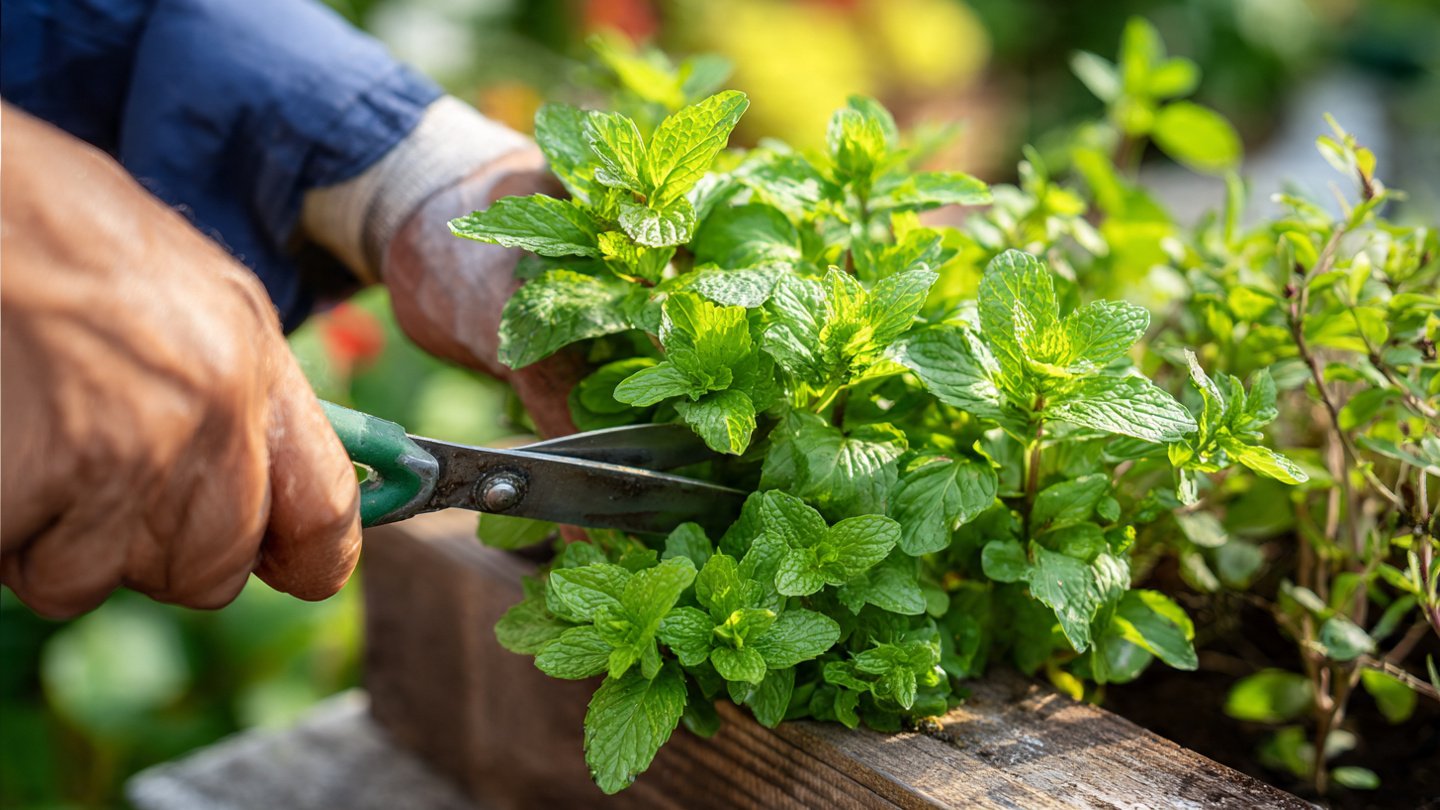
Herbs are the backbone of any thriving kitchen garden. They add flavor, aroma, and even medicinal benefits to your meals, teas, and remedies. Yet, many gardeners struggle to get the lush, vigorous growth they desire. One of the simplest yet most overlooked techniques to boost your herb garden’s productivity is regular pruning. By pruning your herbs consistently and correctly, you can stimulate new growth, prevent disease, and ensure a longer, more fruitful harvest season. This guide will explore how regular pruning can transform your herb garden, along with practical tips for maximizing results.
Understanding the Importance of Pruning Herbs
Pruning is more than just trimming your plants to make them look neat. For herbs, it serves several vital functions:
- Stimulates New Growth: Cutting back stems encourages the plant to produce fresh shoots. This results in bushier, more vigorous herbs.
- Prevents Flowering (Bolting): Many herbs, such as basil and cilantro, will divert energy into flowers instead of leaves if not pruned. Regular trimming helps keep the plant focused on leafy growth.
- Improves Air Circulation: Removing excess foliage reduces overcrowding, decreasing the risk of fungal diseases and pest infestations.
- Enhances Flavor and Aroma: Younger leaves are often more flavorful, so regular pruning ensures you are harvesting the tastiest parts of the plant.
By understanding these benefits, gardeners can shift pruning from a chore into a powerful growth strategy.
Best Time to Prune Your Herbs
The timing of pruning plays a critical role in achieving the best results:
- Early Growth Stage: When herbs are young, pinch off the top leaves to encourage branching. This is especially effective for basil, oregano, thyme, and mint.
- Mid-Season: Once herbs are established, prune lightly every 1–2 weeks to maintain shape and encourage consistent growth.
- Before Flowering: Remove flower buds as soon as they appear to redirect energy back into foliage production.
Avoid heavy pruning during the plant’s dormant period, as it can stress the plant and slow growth. For perennial herbs like rosemary or sage, late winter or early spring is ideal for major pruning.
How to Prune Different Types of Herbs
Not all herbs require the same pruning technique. Understanding the growth habits of each herb ensures you don’t accidentally stunt them:
- Soft Herbs (Basil, Cilantro, Parsley, Mint):
- Pinch or cut the top 1–2 inches of growth.
- Always leave at least two sets of leaves on the stem to ensure continued growth.
- Regular harvesting doubles as pruning, so use fresh leaves frequently.
- Woody Herbs (Rosemary, Thyme, Sage, Oregano):
- Prune lightly to maintain shape, removing no more than one-third of the plant at a time.
- Avoid cutting into old wood, as it may not regrow.
- Focus on trimming the tips of branches to encourage bushier growth.
- Biennial Herbs (Fennel, Caraway):
- These herbs usually grow vegetatively in their first year and flower in the second.
- Pinch back new shoots in the first year to build a strong base and prevent premature flowering.
By tailoring pruning techniques to each herb type, you can maximize productivity without damaging your plants.
Tools and Techniques for Effective Pruning
Proper tools and techniques make a huge difference in both plant health and gardener efficiency.
- Use Sharp, Clean Tools: Pruning shears or scissors should be sharp to make clean cuts, reducing the risk of disease.
- Cut at the Right Spot: Make cuts just above a pair of leaves or a node to encourage branching. Avoid cutting too close to the stem, which can damage the plant.
- Remove Damaged or Yellow Leaves: Regularly check for any dead or yellowing foliage and remove it to promote overall plant health.
- Pinching vs. Cutting: Pinching is ideal for soft herbs and small growth, while cutting with shears works best for woody stems or larger branches.
By following these methods, you create a healthier environment for your herbs to flourish.
Watering and Fertilizing in Conjunction with Pruning
Pruning works best when paired with proper care. After pruning, herbs benefit from:
- Consistent Watering: Newly cut stems can dry out quickly. Keep the soil evenly moist, especially for soft herbs.
- Light Fertilization: Apply a balanced, water-soluble fertilizer after pruning to provide nutrients that fuel new growth. Avoid over-fertilizing, which can lead to excessive leaf growth with weaker flavor.
- Mulching: A layer of organic mulch helps retain moisture and suppress weeds, supporting overall plant health.
By combining pruning with thoughtful watering and fertilization, your herb garden can thrive with minimal effort.
Common Mistakes to Avoid
Even experienced gardeners can fall into pruning traps that hinder herb growth:
- Over-Pruning: Cutting too much at once can shock the plant and reduce yields. Always prune gradually.
- Ignoring Flowering: Letting herbs flower diverts energy from leaf production. Remove buds promptly.
- Cutting Old Wood on Woody Herbs: Woody stems may not regenerate if cut too severely. Stick to tips and new growth.
- Using Dirty Tools: Disease can spread quickly if pruning tools are not cleaned. Disinfect shears between plants.
Avoiding these mistakes ensures that your pruning efforts result in stronger, healthier herbs.
Harvesting Herbs While Pruning
Pruning and harvesting can go hand in hand. By incorporating regular pruning into your harvesting routine, you achieve dual benefits:
- Continuous Supply: Frequent pruning keeps herbs producing fresh leaves all season.
- Improved Flavor: Harvest young, tender leaves rather than old, woody ones.
- Encouraged Growth: Removing tips and stems stimulates more branching, leading to a denser plant.
For example, harvesting basil every week not only provides leaves for cooking but also keeps the plant bushy and productive. Similarly, trimming mint or thyme encourages lateral growth and prevents the plant from becoming leggy.
Companion Planting and Pruning Synergy
Strategic pruning can also enhance companion planting strategies:
- Sunlight Distribution: Thinning dense herbs allows sunlight to reach neighboring plants.
- Pest Management: Pruning can reduce hiding spots for insects, benefiting the entire garden ecosystem.
- Air Circulation: Proper pruning keeps plants from overcrowding, reducing fungal issues.
By maintaining a well-pruned herb garden, you support overall garden health, ensuring every plant thrives.
Conclusion
Regular pruning is one of the most effective, low-cost ways to unlock explosive growth in your herb garden. It stimulates new growth, prevents flowering, improves airflow, and enhances flavor. By understanding the specific needs of each herb, using proper tools and techniques, and pairing pruning with adequate watering and fertilization, you can transform a modest herb garden into a lush, productive oasis.
Incorporating pruning into your routine not only boosts plant health but also provides a steady supply of fresh herbs for your kitchen. Whether you are a beginner or an experienced gardener, this simple technique can maximize your harvest, making every meal flavorful and aromatic. Start pruning today, and watch your herb garden thrive like never before.