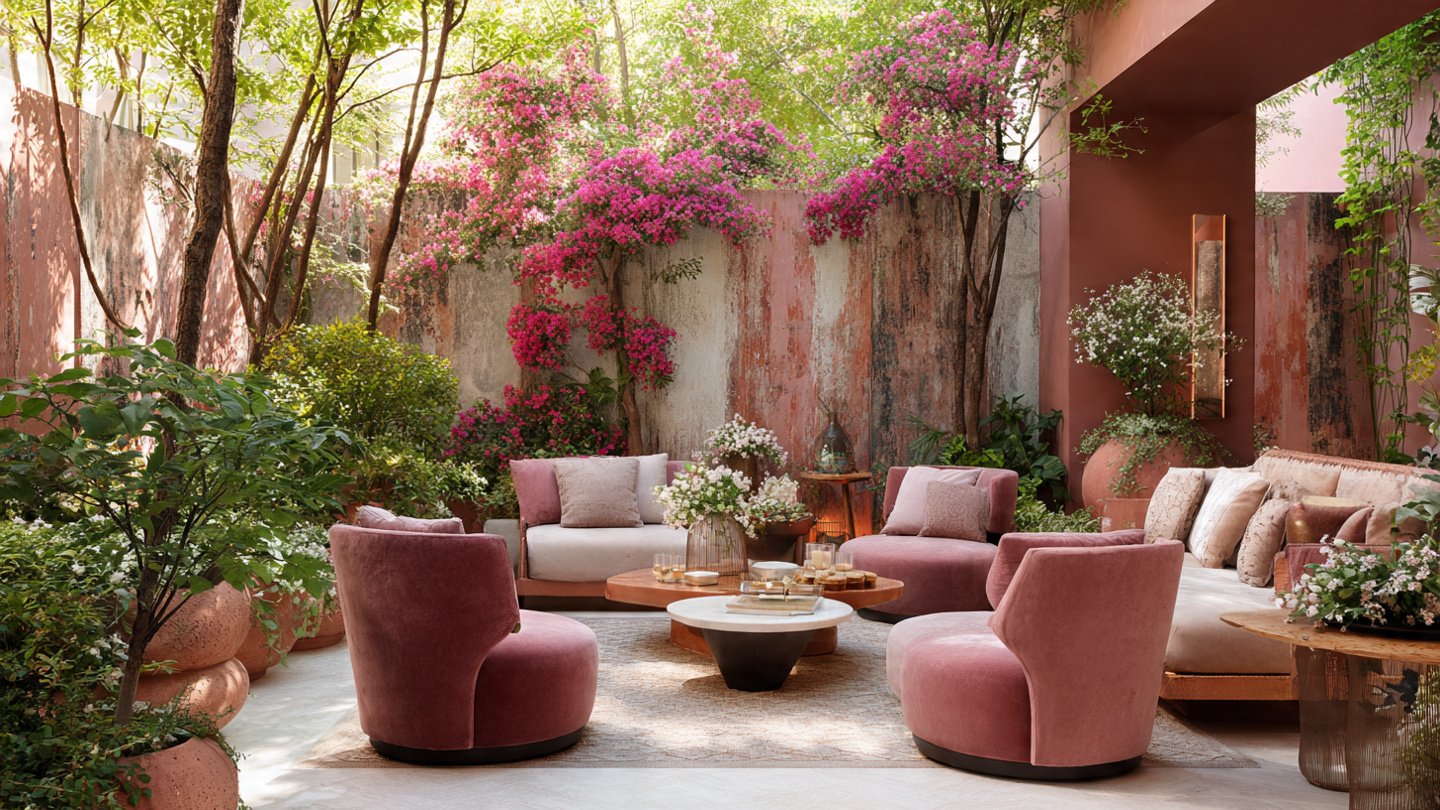
When it comes to designing outdoor spaces, interior designers often borrow principles from interior décor to create gardens that feel cohesive, inviting, and stylish. One color that has increasingly captured the attention of designers is dusty rose. This muted, sophisticated pink shade blends the warmth of pink with subtle gray undertones, making it a versatile and elegant choice for garden accents. But why exactly is dusty rose becoming a favorite in garden design? Let’s explore the reasons, uses, and tips for incorporating this chic hue into your outdoor space.
1. Dusty Rose Offers Timeless Elegance
Dusty rose has a soft, understated charm that exudes sophistication without being overpowering. Unlike bright pinks, which can feel playful or trendy, dusty rose carries a timeless quality. Interior designers love it because it complements a wide range of palettes, from earthy neutrals to muted greens and rich blues.
In a garden setting, dusty rose works well in flower beds, patio furniture, cushions, planters, and even garden sculptures. Its muted tone makes it a subtle statement that enhances natural elements without clashing with greenery or other floral colors.
2. Harmonizes With Natural Garden Colors
Gardens are naturally filled with varying shades of green, brown, and occasional bursts of floral colors. Dusty rose acts as a bridging color, harmonizing these natural tones without overpowering them.
For example:
- With greenery: Dusty rose provides a gentle contrast to leafy plants and shrubs, adding warmth and visual interest.
- With blues and purples: Pairing dusty rose with lavender, periwinkle, or hydrangeas creates a romantic, soothing palette.
- With neutrals: Soft grays, beiges, or stone elements complement dusty rose for a modern, serene outdoor aesthetic.
Designers love dusty rose because it adds depth and sophistication, making outdoor spaces feel curated and intentional.
3. Works in Both Modern and Classic Gardens
One of dusty rose’s biggest appeals is its versatility. It fits seamlessly in various garden styles:
- Modern gardens: Dusty rose pairs beautifully with sleek gray planters, minimalist benches, and concrete pathways. Its softness balances the sharp lines and industrial textures common in modern designs.
- Cottage-style gardens: In classic or romantic garden settings, dusty rose blends effortlessly with lush greenery, climbing roses, and vintage accents. It amplifies the charm of traditional garden layouts.
- Mediterranean or boho gardens: This muted pink hue complements terracotta pots, wooden furniture, and natural textures, creating a cozy and inviting atmosphere.
Designers love having a single color that works across diverse styles, reducing the complexity of mixing too many colors.
4. Enhances Floral Arrangements and Plant Selections
Dusty rose is a natural choice for flowers, either through plants themselves or accessories. Many popular flowering plants come in dusty rose shades, including:
- Roses (naturally!)
- Peonies
- Dahlias
- Ranunculus
- Hydrangeas
Using these flowers strategically creates focal points and layers of soft color throughout your garden. Even when paired with greenery or contrasting colors like deep purple or soft yellow, dusty rose provides a calming, elegant touch.
5. Adds a Subtle Touch to Garden Furniture and Decor
Beyond plants, interior designers use dusty rose in outdoor furniture and decor to create a cohesive look. Consider these accents:
- Cushions and outdoor throw pillows in dusty rose to soften seating areas.
- Planters, vases, and garden pots with dusty rose finishes for a touch of color without overwhelming the senses.
- Garden umbrellas, pergolas, or trellis accents painted in dusty rose to introduce a muted pop that complements the plants.
The beauty of dusty rose is its ability to be noticeable without being loud, giving gardens an understated elegance.
6. Works Perfectly With Seasonal Color Changes
Gardens change with the seasons, and dusty rose adapts beautifully. In spring and summer, it complements bright blooms and fresh greenery. During fall, its warm undertones harmonize with oranges, rusts, and golden hues. Even in winter, dusty rose accents—whether in painted furniture, dried flowers, or garden ornaments—stand out gently against bare branches or snow, maintaining interest in the garden year-round.
7. Creates a Cohesive Indoor-Outdoor Connection
Many interior designers aim to blur the line between indoor and outdoor living spaces. Dusty rose is a favorite because it can link interior décor with garden design. For example:
- Interior: Dusty rose cushions, throws, or rugs
- Exterior: Dusty rose planters, flower arrangements, or decorative furniture
This continuity creates a seamless visual flow, making the garden feel like a natural extension of your living space. Guests often notice the cohesion, even if they can’t pinpoint why it feels so inviting.
8. Pairing Dusty Rose With Lighting
Garden lighting can enhance dusty rose accents. Warm LED lights, lanterns, or fairy lights highlight the soft pink tones, creating an intimate and romantic atmosphere in the evening. Designers often use this technique for patios, evening entertaining areas, or garden paths, making dusty rose appear even more luxurious under gentle lighting.
9. Tips for Using Dusty Rose in Your Garden
To make the most of dusty rose in your garden, consider these practical tips:
- Start small: Introduce dusty rose in accessories, cushions, or small planters before committing to larger areas.
- Mix textures: Combine dusty rose with natural wood, stone, and greenery for depth.
- Use repetition: Repeat the color in multiple areas to create unity and flow.
- Combine with neutral tones: Dusty rose pairs beautifully with white, beige, gray, or soft greens to avoid looking too pink.
- Incorporate seasonal blooms: Choose plants and flowers that maintain dusty rose hues across different seasons.
10. Why Designers Keep Coming Back to Dusty Rose
Ultimately, interior designers love dusty rose because it combines elegance, versatility, and warmth. It can be bold yet understated, traditional yet modern, and always visually appealing. In garden design, this color allows designers to create cohesive, stylish, and inviting outdoor spaces that people love to spend time in.
Conclusion
Dusty rose isn’t just a pretty color—it’s a strategic design choice. From plants and flowers to furniture and décor, this muted pink hue enhances the beauty and sophistication of any garden. It harmonizes with natural colors, complements various garden styles, adapts to seasonal changes, and connects indoor and outdoor spaces seamlessly.
By incorporating dusty rose into your garden, you’re not only following a design trend but creating a timeless, elegant, and welcoming outdoor sanctuary. Whether you’re planting flowers, choosing cushions, or selecting planters, dusty rose can elevate your garden from ordinary to extraordinary. Interior designers love it for good reason—and your garden will too.