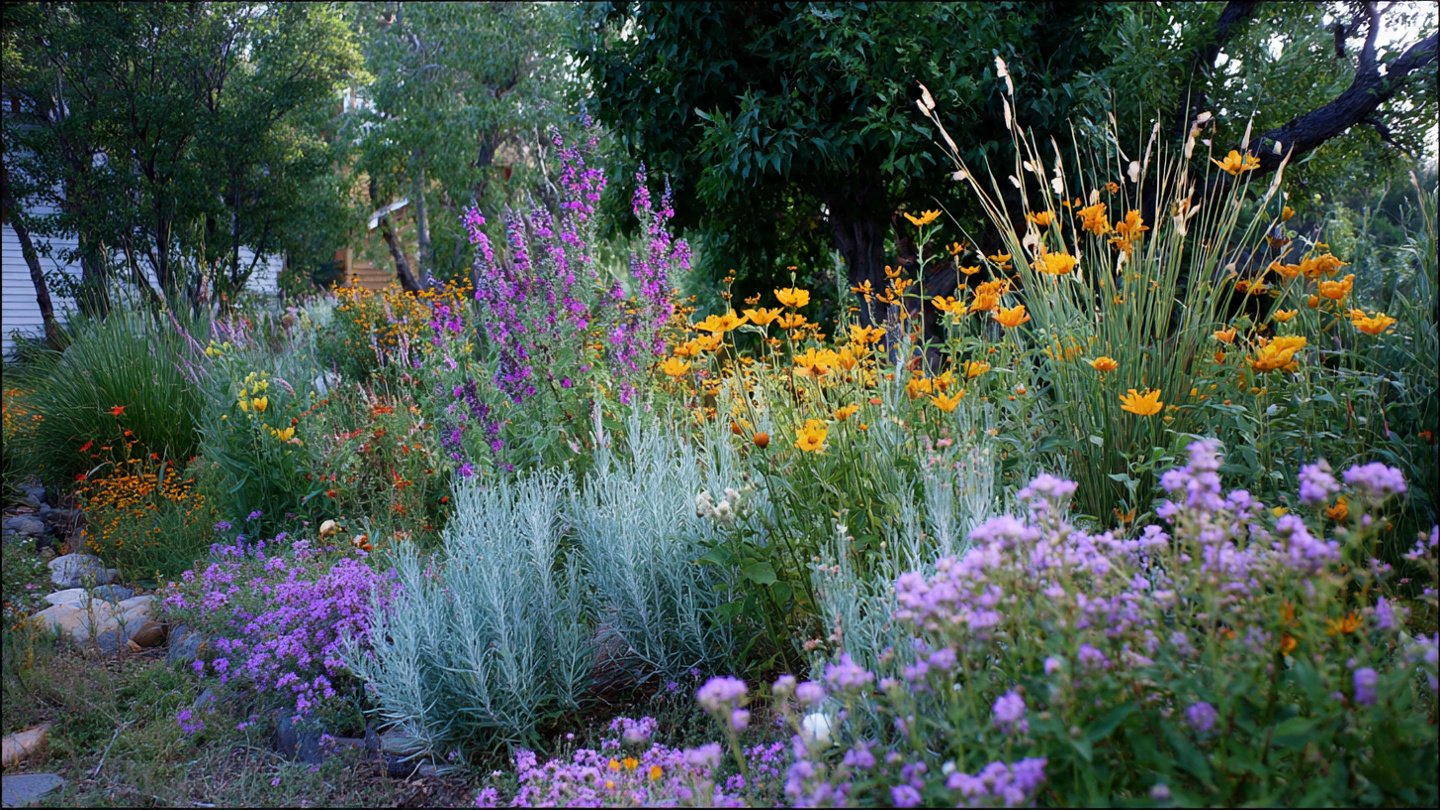
Gardening is often seen as a creative pursuit—an opportunity to design beautiful landscapes filled with colorful flowers and lush greenery. However, a truly thriving garden is not just about aesthetics; it is about creating a balanced ecosystem that supports biodiversity, encourages pollinators, and improves soil health. One of the most powerful ways to achieve this is by incorporating native plants into your garden. Native plants—those that naturally occur in your region—are uniquely adapted to local climates, soils, and wildlife. By choosing native species, gardeners can transform their spaces into vibrant, resilient ecosystems that benefit both the environment and their own gardening experience.
In this article, we’ll explore how native plants shape garden ecosystems, why they are essential for sustainable gardening, and practical ways to use them to create a healthier, more productive garden.
Understanding Native Plants
Native plants are species that evolved in a particular region over thousands of years. Unlike exotic or non-native plants, which are introduced from other areas, native plants are naturally suited to the local climate, soil conditions, and ecological interactions. This means they require less water, fertilizer, and maintenance compared to many ornamental or foreign species.
For gardeners, native plants offer an opportunity to work with nature rather than against it. Because they are adapted to local conditions, they tend to be more resilient against pests, diseases, and extreme weather events. Moreover, they provide food and habitat for local wildlife, including birds, butterflies, bees, and beneficial insects.
Enhancing Biodiversity
One of the most profound impacts of native plants is their ability to enhance biodiversity. A garden filled with native species creates a microhabitat that supports a wide range of organisms. Pollinators, such as bees, butterflies, and hummingbirds, rely on specific native plants for nectar and pollen. Without these plants, many of these species struggle to survive.
In addition, native plants support local soil microbes and fungi that help decompose organic matter and recycle nutrients. These interactions strengthen the soil ecosystem, creating a natural balance that reduces the need for chemical fertilizers. The result is a more self-sustaining garden that thrives year after year.
Attracting and Supporting Wildlife
Gardens planted with native species become magnets for wildlife. Birds, for example, use native shrubs and trees for nesting and shelter, while also feeding on native berries and seeds. Insects, such as ladybugs and lacewings, benefit from native flowers, helping naturally control pests without chemical intervention.
Butterflies and moths often have very specific host plants where they lay their eggs. By planting these native species, gardeners can ensure the next generation of pollinators has a place to thrive. Even small backyard gardens can contribute to regional wildlife corridors, linking fragmented habitats and supporting species survival.
Improving Soil Health
Native plants have deep, extensive root systems that enhance soil structure and fertility. These roots help prevent erosion by anchoring the soil and increasing water infiltration, which reduces runoff. They also promote the growth of beneficial microorganisms, which break down organic matter and release nutrients slowly, enriching the soil naturally.
Unlike many exotic species that deplete soil nutrients and require frequent fertilization, native plants create a self-regulating soil ecosystem. This improves long-term garden health and reduces the gardener’s reliance on artificial inputs, making gardening both easier and more environmentally friendly.
Reducing Maintenance and Resource Use
Native plants are low-maintenance because they are adapted to the local climate. They require less watering, fewer fertilizers, and minimal pest control. For example, drought-tolerant native species can survive long dry periods, reducing the need for constant irrigation. Likewise, native plants that have evolved with local pests are more resistant to common garden diseases, lowering the need for chemical sprays.
This not only saves time and effort but also makes gardening more sustainable. A garden that relies on native species uses fewer resources, reduces pollution from fertilizers and pesticides, and contributes positively to the surrounding ecosystem.
Creating Seasonal Interest
Many gardeners worry that native plants will look “wild” or unkempt compared to exotic ornamentals. In reality, native species can provide year-round beauty. Early-blooming native wildflowers, late-season perennials, and colorful shrubs offer diverse textures, colors, and forms throughout the seasons. Grasses, ferns, and flowering perennials can be combined to create layered, naturalistic garden designs that attract attention while supporting wildlife.
By carefully selecting native plants for different bloom times and growth habits, gardeners can enjoy continuous seasonal interest while maintaining an ecologically balanced space.
Practical Tips for Using Native Plants in Your Garden
- Know Your Region: Start by researching the native plants in your area. Botanical gardens, local conservation groups, and native plant societies can provide lists and recommendations.
- Start Small: If you are new to native gardening, begin with a small patch or container garden. This allows you to observe how native species grow and interact with local wildlife before scaling up.
- Group Plants by Habitat: Planting native species together according to their natural habitats—wetlands, dry areas, sunny spots, or shade—helps them thrive and reduces maintenance.
- Include a Variety: Mix flowering plants, shrubs, and grasses to provide diverse habitats for different species. Include host plants for butterflies and nectar sources for bees.
- Avoid Invasive Exotics: Invasive species can outcompete native plants and disrupt the ecosystem. Focus on species that are proven to support wildlife and coexist with local flora.
- Observe and Adapt: Watch how your garden evolves. Note which species attract pollinators, which plants grow vigorously, and how soil health improves over time. Adjust planting choices based on your observations.
The Long-Term Benefits
The impact of planting native species extends beyond your backyard. Native gardens contribute to the overall health of your local ecosystem, improve air and water quality, and help combat climate change by sequestering carbon in healthy soils. They reduce the urban heat effect, provide refuge for pollinators, and create corridors for migrating species.
For gardeners, native plants provide satisfaction beyond aesthetics. There is joy in watching birds feed, butterflies flutter, and plants flourish with minimal intervention. A garden designed around native plants is a living, breathing ecosystem—resilient, sustainable, and deeply connected to its environment.
Conclusion
Incorporating native plants into your garden is more than a design choice; it is an investment in ecological health. From attracting pollinators and supporting wildlife to improving soil fertility and reducing maintenance, native species have the power to transform a simple garden into a thriving ecosystem.
By understanding the benefits of native plants, selecting the right species, and observing how they interact with your garden environment, you can create a space that is both beautiful and ecologically functional. In doing so, you not only enrich your own gardening experience but also contribute to the preservation of local biodiversity and the sustainability of the wider environment.
A garden filled with native plants is more than just a collection of flowers and shrubs—it is a dynamic, living ecosystem, constantly evolving, resilient, and full of life. Choosing native plants is choosing harmony with nature, and in that harmony lies the true beauty and satisfaction of gardening.