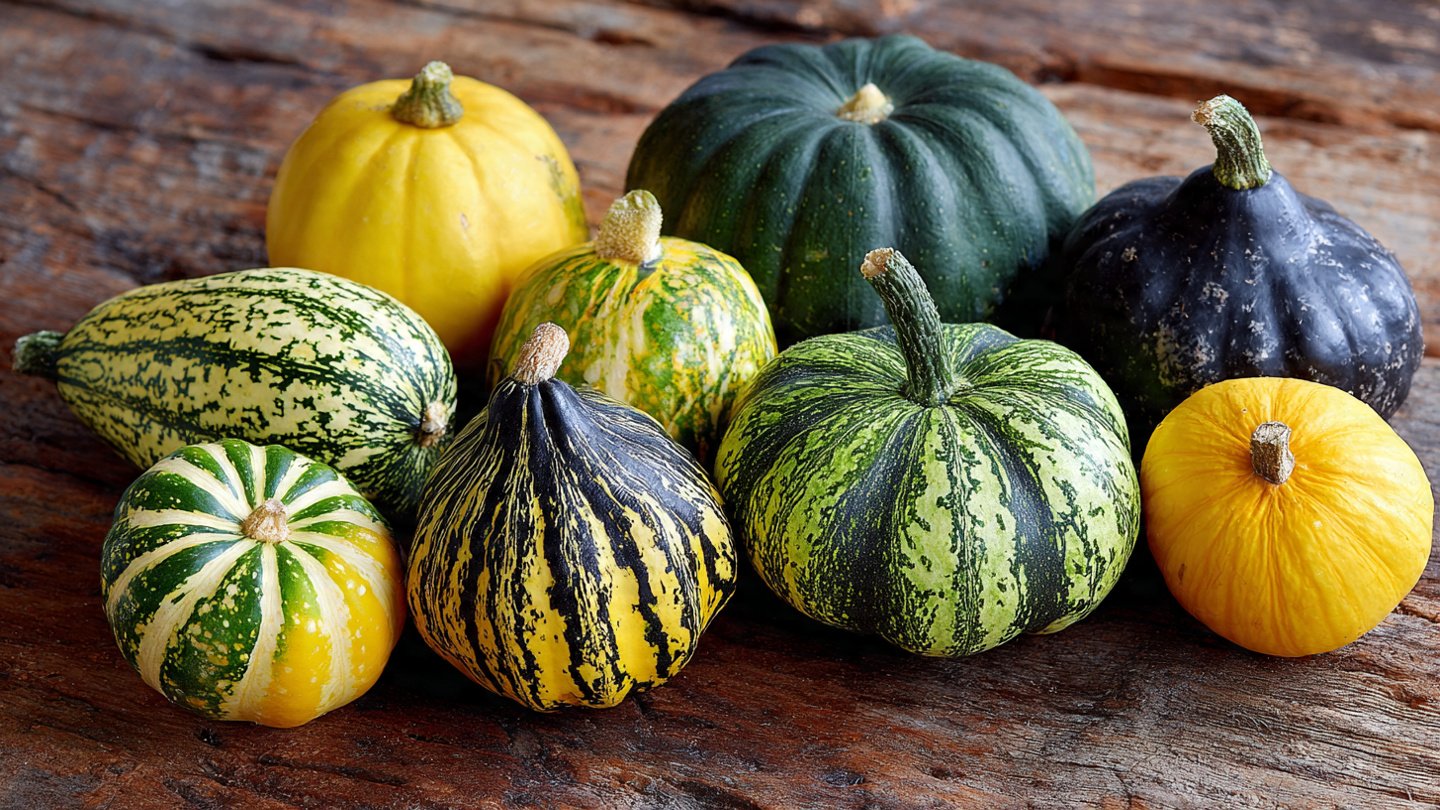
Squash is one of the most versatile and satisfying vegetables to grow in your garden, especially when planning for hearty winter soups. From creamy butternut to nutty acorn, squash varieties provide not only delicious flavor but also essential nutrients that make your soups comforting and wholesome. Growing squash for winter soups requires attention to soil, planting, watering, and harvesting to ensure the best yield and taste. In this guide, we’ll cover everything you need to know to grow squash successfully for your winter culinary creations.
Choosing the Right Squash Variety
The first step in growing squash for winter soups is selecting the appropriate variety. Winter squash, unlike summer squash, has a hard rind and matures slowly, which allows it to store well through the winter months. Popular choices include:
- Butternut Squash – Sweet, nutty flavor and smooth texture, ideal for creamy soups.
- Acorn Squash – Slightly nutty taste with a tender texture, perfect for chunky or roasted soups.
- Kabocha Squash – Dense and sweet, with a rich flavor that adds depth to soups.
- Hubbard Squash – Large and starchy, ideal for making thick, hearty soups.
When choosing seeds or seedlings, look for disease-resistant varieties that are well-suited to your climate. This will increase your chances of a successful harvest and reduce maintenance.
Preparing the Soil
Squash thrives in nutrient-rich, well-draining soil. Before planting, prepare your garden bed by mixing in organic matter such as compost, well-rotted manure, or leaf mold. A slightly acidic to neutral pH of 6.0–7.0 is ideal for optimal growth.
Deep soil preparation is crucial because squash plants develop extensive root systems. Loosen the soil at least 12–15 inches deep to allow roots to grow freely, which supports strong, healthy vines and large fruit development. Adding a balanced fertilizer before planting can also give young plants a strong start.
Planting Squash
Squash plants need space to spread, as their vines can grow aggressively. For bush varieties, plant seeds or seedlings about 3 feet apart. For vining varieties, allow 4–6 feet between plants to ensure proper airflow and prevent overcrowding.
Sow seeds directly into the soil after the last frost date in your area. If you want a head start, start seeds indoors 3–4 weeks before the final frost, then transplant seedlings once the soil has warmed. Plant seeds about 1 inch deep and water gently but thoroughly after planting.
Sunlight Requirements
Squash loves sunlight. Make sure your planting area receives at least 6–8 hours of direct sun each day. Adequate sunlight is essential for flower and fruit development, and it also helps reduce the risk of fungal diseases that can occur in damp, shaded areas.
Watering and Mulching
Consistent watering is crucial for squash, especially during fruit formation. Deep, regular watering helps develop strong roots and prevents bitter or malformed fruits. Aim for 1–2 inches of water per week, either through rainfall or irrigation. Avoid overhead watering if possible; water at the base of the plant to reduce the risk of fungal infections on leaves and flowers.
Mulching around the base of your plants helps retain moisture, regulates soil temperature, and suppresses weeds. Organic mulches like straw, shredded leaves, or grass clippings are excellent choices.
Pollination and Flowering
Squash plants produce both male and female flowers. Pollination is necessary for fruit to form, so attracting pollinators such as bees to your garden is vital. If pollinator activity is low, you can hand-pollinate by transferring pollen from male flowers to female flowers using a small brush or by gently tapping flowers together.
Fertilization During Growth
Once your squash begins to set fruit, it benefits from additional feeding. Use a balanced fertilizer or compost tea every 3–4 weeks to encourage healthy vine and fruit development. Avoid excessive nitrogen during this stage, as it can promote leafy growth at the expense of fruit production.
Managing Pests and Diseases
Squash is prone to pests like squash vine borers, aphids, and cucumber beetles. Inspect plants regularly and remove pests manually if possible. Row covers can provide protection during early growth, but remove them when flowers appear to allow pollinators access.
Common diseases include powdery mildew and downy mildew. Adequate spacing, good airflow, and watering at the base of plants help prevent these fungal infections. If needed, use organic fungicides like neem oil or potassium bicarbonate to manage outbreaks.
Harvesting Squash for Winter Storage
The timing of harvest is critical for squash intended for winter soups. Harvest when the rind is hard, and the color is rich and consistent. Butternut squash, for example, is ready when the skin turns a deep tan and resists fingernail pressure. Cut fruits from the vine with a sharp knife, leaving a few inches of stem attached to extend storage life.
After harvesting, cure squash in a warm, dry place for 1–2 weeks to harden the skin and enhance flavor. Properly cured and stored squash can last several months in a cool, dry location, ensuring a fresh supply for winter soups.
Cooking and Culinary Uses
Once harvested, squash can be transformed into an array of winter soups. Its natural sweetness and creamy texture pair beautifully with ingredients like onions, garlic, ginger, apples, or carrots. For a rich, velvety soup, roast the squash before blending it. Adding spices like cinnamon, nutmeg, or curry powder enhances the natural flavor and gives your soup a warm, comforting character.
Squash can also be combined with beans, lentils, or grains to create hearty, nutritious soups that serve as complete meals. Leftover roasted squash can be frozen in cubes to ensure you have convenient, ready-to-use ingredients throughout the winter season.
Conclusion
Growing squash for winter soups is a fulfilling endeavor that combines gardening skills with culinary creativity. From selecting the right variety to harvesting and storing your produce, each step plays a crucial role in ensuring flavorful, nutrient-rich fruits. By following these techniques, you can enjoy a bountiful squash harvest and create delicious, comforting soups throughout the colder months. With patience, care, and a little practice, your winter squash will become a staple in your garden and kitchen alike, bringing warmth and satisfaction to your family and friends.