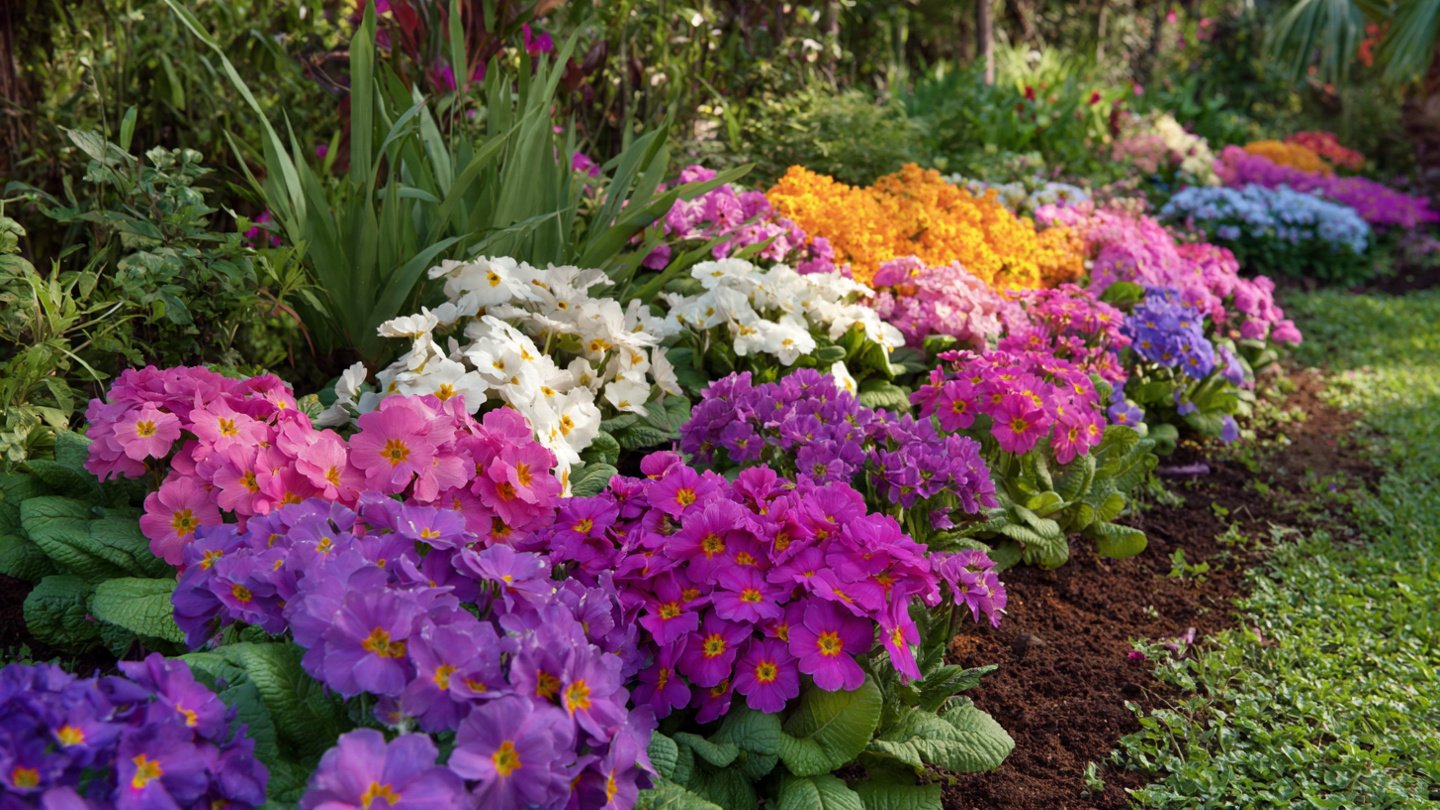
A vibrant flower garden is a visual feast, filling outdoor spaces with color, fragrance, and life. But achieving consistently flourishing blooms requires more than just sunlight and water. One of the most critical factors in cultivating strong, healthy flowers is fertilization. Fertilizer provides essential nutrients that flowers need for growth, flowering, and overall vitality. Understanding which fertilizer works best for your specific garden can make the difference between a mediocre display and a spectacular floral showcase.
Understanding Flower Nutrition
Flowers require three primary macronutrients: Nitrogen (N), Phosphorus (P), and Potassium (K), often referred to as NPK on fertilizer packaging.
- Nitrogen (N) – Encourages healthy leaf and stem growth. Adequate nitrogen is essential for developing lush foliage, which supports abundant flowering. However, too much nitrogen can lead to excessive leaf growth at the expense of blooms.
- Phosphorus (P) – Vital for root development and flower production. Phosphorus promotes strong root systems, improves flower size, and enhances vibrant color intensity.
- Potassium (K) – Boosts overall plant health, disease resistance, and stress tolerance. Potassium is key to long-lasting blooms and stronger plant structures.
In addition to these macronutrients, flowers also benefit from secondary nutrients like calcium, magnesium, and sulfur, as well as micronutrients such as iron, manganese, and zinc, which support enzyme activity and chlorophyll production.
Types of Fertilizers for Flower Gardens
Fertilizers come in various forms, each with unique advantages. Choosing the right type depends on your garden’s needs, soil quality, and desired results.
- Granular Fertilizers
Granular fertilizers are slow-release formulas that provide nutrients over time. They are easy to apply and are ideal for flower beds and borders. Some common granular fertilizers for flowers include 10-10-10 (balanced) or 5-10-5 (bloom-focused). They gradually feed plants, reducing the risk of nutrient burn. - Liquid Fertilizers
Liquid fertilizers are water-soluble and deliver nutrients quickly, making them perfect for giving plants a rapid boost. They are excellent during the active blooming phase, when flowers need extra support to produce large, vibrant blossoms. Frequent applications every 2–4 weeks are generally recommended. - Organic Fertilizers
Organic options, such as compost, bone meal, fish emulsion, and seaweed extract, enrich the soil naturally while providing essential nutrients. Organic fertilizers improve soil texture, microbial activity, and long-term fertility, resulting in healthier plants and sustainable growth. - Specialty Bloom Boosters
Certain fertilizers are formulated specifically to encourage flowering. These bloom boosters are typically higher in phosphorus and potassium relative to nitrogen (e.g., 10-30-20). They stimulate flower production and intensify color without causing excessive leafy growth.
Choosing the Right Fertilizer for Your Flowers
Selecting the best fertilizer depends on several factors:
- Flower Type: Annuals, perennials, and flowering shrubs have different nutrient needs. Annuals may benefit from frequent feeding, while perennials thrive on slow-release fertilizers.
- Soil Condition: Conducting a soil test helps determine nutrient deficiencies and pH levels, ensuring that you provide precisely what your garden requires.
- Growth Stage: Young plants need more nitrogen to develop leaves and roots, while mature flowering plants need phosphorus and potassium to enhance blooms.
Application Tips for Maximum Flower Vibrancy
- Follow Label Instructions: Over-fertilizing can harm plants. Always use the recommended amount and frequency.
- Timing Matters: Fertilize early in the growing season for leafy growth, then switch to bloom-focused fertilizers as flowering begins.
- Watering: Water thoroughly after applying granular fertilizers to help nutrients reach roots. Liquid fertilizers should be applied to moist soil to prevent root burn.
- Mulching: Adding mulch around flower beds helps retain soil moisture, regulate temperature, and gradually release nutrients into the soil.
Top Fertilizers Recommended for Vibrant Flowers
While specific choices depend on your region and flower type, some fertilizers are consistently praised by gardeners for promoting brilliant blooms:
- Balanced All-Purpose Fertilizers: 10-10-10 or 14-14-14 mixes suitable for a wide range of flowers.
- Bloom Boosters: High-phosphorus formulas like 10-30-20, ideal for roses, petunias, and geraniums.
- Organic Options: Fish emulsion, seaweed extract, and composted manure are excellent for eco-friendly gardening.
Common Mistakes to Avoid
Even the best fertilizer won’t deliver results if used incorrectly. Avoid these pitfalls:
- Over-Fertilizing: Too much fertilizer can burn roots, cause weak stems, and reduce flower production.
- Ignoring Soil Testing: Fertilizer should address deficiencies; adding unnecessary nutrients is wasteful.
- Applying at the Wrong Time: Fertilizing dormant plants or during extreme heat can stress flowers.
- Neglecting Water: Fertilizer works best when plants are properly hydrated.
The Role of Companion Practices
Fertilizer alone doesn’t guarantee a stunning garden. Pair feeding with good gardening practices:
- Pruning: Remove spent flowers to encourage new blooms.
- Sunlight: Most flowering plants require at least 6 hours of sunlight daily.
- Pest and Disease Control: Healthy plants utilize nutrients more efficiently.
Conclusion
Creating a vibrant flower garden is a rewarding endeavor, and the right fertilizer plays a central role in achieving it. Understanding the nutritional needs of your flowers, selecting the proper fertilizer type, and applying it correctly will result in stronger plants, abundant blooms, and breathtaking colors. Remember, gardening is a combination of science and art—careful fertilization paired with sunlight, water, and tender care ensures your flowers reach their full potential. With attention to soil health, nutrient balance, and proper application, your garden will become a riot of color, attracting pollinators and admiration alike.
Ultimately, the best fertilizer is one that suits your specific plants, complements your soil, and enhances the natural beauty of your garden, giving every flower the chance to shine at its absolute best.