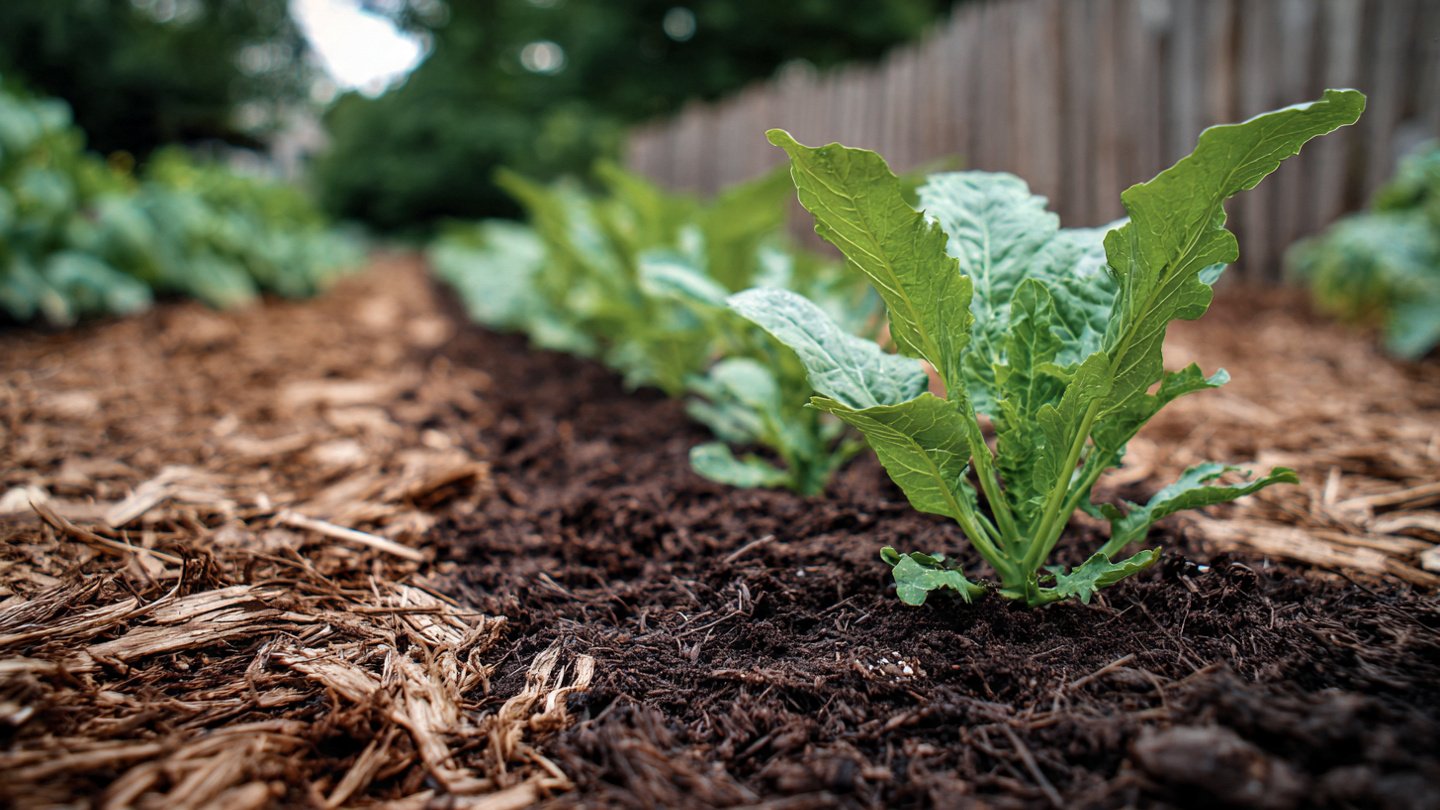
Gardening is both an art and a science. Every gardener wants lush, vibrant plants, and achieving this often starts with the soil. One of the most effective yet often underappreciated techniques for improving plant health is mulching. Mulching involves covering the soil around plants with a protective layer of organic or inorganic materials. This simple practice can drastically enhance plant growth, soil health, and overall garden productivity. Let’s explore why mulching is such a game-changer for gardeners.
1. Retains Moisture in the Soil
One of the primary benefits of mulching is its ability to retain soil moisture. Plants require consistent moisture to thrive, and fluctuating water levels can stress them, resulting in stunted growth or wilting. Mulch acts as a barrier between the soil and the atmosphere, reducing water evaporation. This is particularly helpful during hot summer months or in regions with irregular rainfall. By retaining moisture, mulch ensures that plant roots have access to the water they need, reducing the frequency of watering and making garden maintenance easier.
2. Regulates Soil Temperature
Soil temperature plays a critical role in plant development. Extreme temperatures, whether too hot or too cold, can negatively impact root growth and nutrient absorption. Mulching insulates the soil, keeping it cooler in summer and warmer in winter. This stable temperature environment encourages consistent root development and allows plants to thrive even during seasonal temperature fluctuations.
3. Suppresses Weed Growth
Weeds are more than just unsightly; they compete with garden plants for water, nutrients, and sunlight. A thick layer of mulch acts as a natural barrier to weed growth by blocking sunlight from reaching weed seeds. By reducing weed competition, mulch allows your plants to access more nutrients and water, promoting healthier growth. This not only improves plant health but also reduces the time and effort gardeners spend on weeding.
4. Improves Soil Fertility
Organic mulches such as straw, shredded leaves, compost, or bark decompose over time, enriching the soil with essential nutrients. As these materials break down, they release nitrogen, potassium, and other micronutrients that are vital for plant health. This natural fertilization process improves soil structure, making it more friable and easier for roots to penetrate. Additionally, decomposing mulch increases the soil’s ability to retain nutrients, reducing the need for chemical fertilizers.
5. Enhances Soil Microorganisms
Healthy soil is teeming with microorganisms like bacteria, fungi, and earthworms, all of which play a critical role in nutrient cycling. Mulch provides a hospitable environment for these organisms by maintaining moisture and moderating temperature. As microorganisms break down organic mulch, they release nutrients and improve soil aeration, which in turn supports robust plant growth. Essentially, mulch helps build a thriving underground ecosystem that sustains your garden naturally.
6. Prevents Soil Erosion
Soil erosion is a common problem in gardens, particularly on slopes or in areas exposed to heavy rainfall or wind. Mulch forms a protective cover that cushions the impact of raindrops, reduces runoff, and keeps soil particles in place. This prevents the loss of topsoil, which is rich in nutrients, ensuring that plants have a stable growing medium. By protecting the soil structure, mulching contributes to long-term garden sustainability.
7. Reduces Plant Stress
Plants can experience stress due to environmental conditions, pests, or inadequate nutrients. Mulching reduces several stress factors simultaneously. By regulating temperature, conserving moisture, suppressing weeds, and enhancing nutrient availability, mulch creates a stable, supportive environment. Plants under less stress can focus energy on growth, flowering, and fruiting, leading to healthier and more productive gardens.
8. Acts as a Natural Barrier
Mulch can also act as a protective barrier against pests and diseases. Certain types of mulch, like cedar chips or cypress bark, have natural compounds that repel insects. Additionally, mulch prevents soil-borne diseases from splashing onto plant leaves during rain or watering. By reducing disease incidence and pest pressure, mulch helps plants remain healthy without relying heavily on chemical pesticides.
9. Promotes Aesthetic Appeal
While the functional benefits of mulching are substantial, it also enhances the visual appeal of a garden. Mulch creates a neat, uniform appearance around plants, beds, and pathways. This aesthetic enhancement makes gardens more inviting and can complement landscaping design. Moreover, a visually appealing garden often encourages more attentive care, creating a positive feedback loop for plant health.
10. Types of Mulch and Best Practices
Not all mulches are created equal. Organic mulches like straw, shredded leaves, grass clippings, and compost enrich the soil as they decompose. Inorganic mulches, such as gravel, landscape fabric, or black plastic, primarily serve to suppress weeds and retain moisture but do not contribute nutrients. When applying mulch, it’s important to maintain a thickness of 2–4 inches, avoiding direct contact with plant stems to prevent rot. Regular replenishment ensures continuous benefits throughout the growing season.
Conclusion
Mulching is a simple, low-cost gardening practice with profound impacts on plant health and soil quality. By conserving moisture, regulating temperature, suppressing weeds, enhancing fertility, and supporting beneficial soil organisms, mulch creates optimal conditions for plants to flourish. Whether you are a beginner or an experienced gardener, incorporating mulching into your routine can transform your garden into a lush, thriving ecosystem. The next time you step into your garden, remember: a little mulch goes a long way toward healthier, more vigorous plants.