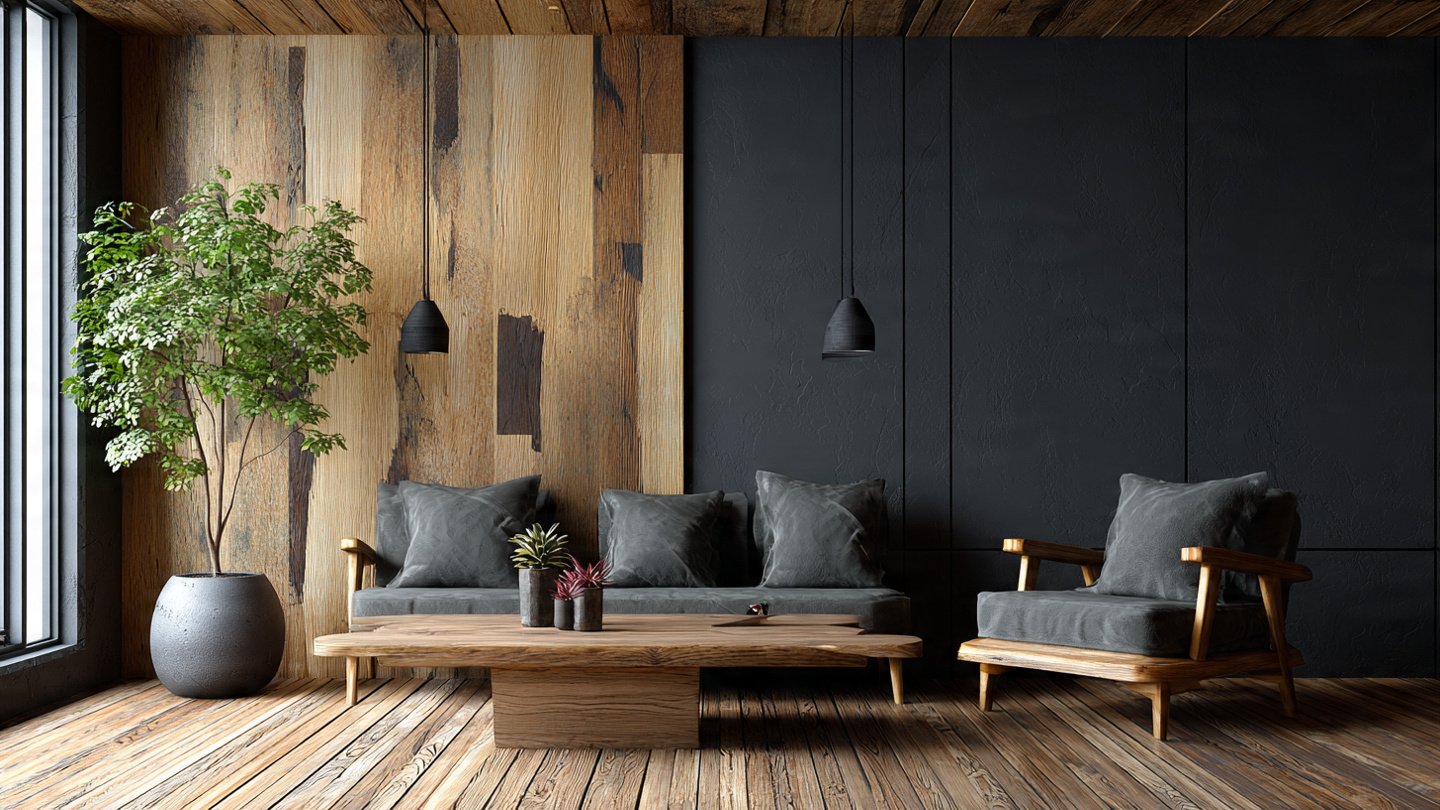
In the world of interior design, trends come and go, but certain elements withstand the test of time. Among these enduring choices, wooden accents have carved out a unique and highly desirable place in modern interiors. From Scandinavian minimalism to rustic farmhouse aesthetics, wood adds a layer of warmth, sophistication, and natural charm that few other materials can replicate. But what makes wooden accents so appealing to interior designers today? Let’s explore the reasons behind this growing trend.
The Timeless Appeal of Wood
Wood is one of the most versatile and timeless materials in interior design. Unlike synthetic materials that may fade or deteriorate over time, wood ages gracefully, often developing a patina that adds character to a space. This quality gives interiors a sense of authenticity and permanence, which is increasingly sought after in a world dominated by fast furniture and disposable décor.
Interior designers appreciate wood for its ability to blend seamlessly with various design styles. Whether it’s polished oak in a modern living room, reclaimed timber in an industrial loft, or dark walnut accents in a traditional library, wood adapts effortlessly while maintaining its inherent elegance.
Warmth and Texture
One of the primary reasons designers favor wooden accents is the warmth they bring to a space. Unlike metals or plastics, which can feel cold or sterile, wood introduces a tactile and visual softness. Its natural grains, knots, and color variations create a texture that invites touch and adds depth to the overall design.
For example, incorporating wooden beams on a ceiling or installing a walnut feature wall can transform a room from flat and impersonal into inviting and cozy. Even small details, such as wooden cabinet handles, picture frames, or coffee tables, contribute to a layered and dynamic interior.
Sustainability and Eco-Friendliness
As sustainability becomes an increasingly important consideration in design, wood offers a responsible choice for environmentally conscious interiors. Many designers are turning to reclaimed or FSC-certified wood to reduce environmental impact while still achieving high-end aesthetics. Using wood responsibly aligns with broader trends in eco-friendly architecture and interior design, catering to homeowners and clients who value both style and sustainability.
Moreover, wooden accents are often more durable and longer-lasting than synthetic alternatives, meaning less frequent replacement and less waste over time. This makes wood not only a stylish choice but also an ethical one.
Versatility in Design
Wooden accents are incredibly versatile and can be incorporated into nearly every room of a home. In kitchens, wooden countertops or open shelving add warmth and break up the monotony of white or stainless steel surfaces. In living rooms, wooden coffee tables, side tables, and wall panels create a grounded, cohesive look. Bedrooms benefit from wooden bed frames and nightstands that convey both comfort and sophistication.
Beyond furniture, wood can also be used structurally or decoratively. Wooden wall panels, flooring, ceiling beams, and even sculptural installations offer endless opportunities for designers to make a space feel unique and personalized. Its versatility is one of the key reasons interior designers continue to favor it over other materials.
Aesthetic Balance and Connection to Nature
Biophilic design—a concept that emphasizes humans’ innate connection to nature—is increasingly influencing interior design. Wooden accents help bring the outdoors in, creating a sense of calm and connection to natural elements. The presence of wood in a space has been shown to reduce stress, improve mood, and enhance overall well-being.
Interior designers often combine wood with natural textiles, greenery, and earthy color palettes to create serene, balanced environments. The contrast between smooth, polished wood surfaces and other materials like metal, glass, or stone adds visual interest and complexity to interiors, keeping them far from monotonous.
Customization and Craftsmanship
Wood offers unmatched opportunities for customization. Skilled artisans can carve, shape, or finish wood to achieve specific textures, patterns, or design details that are simply impossible with synthetic materials. Custom wooden furniture or accent pieces can serve as statement elements in a room, showcasing craftsmanship and individuality.
This emphasis on artisanal quality resonates strongly with clients who are looking for personalized interiors that reflect their tastes and values. Wooden accents, therefore, are not just functional; they are an art form in themselves.
Longevity and Investment Value
Investing in wooden elements is often a wise financial choice. Unlike trends that quickly fade, well-crafted wooden furniture and accents maintain their appeal and even appreciate in value over time. Solid wood pieces, in particular, are durable and can last decades, sometimes even generations, making them an investment rather than a short-term purchase.
Designers recognize that clients want interiors that feel enduring rather than temporary. Wooden accents provide that sense of stability and permanence, which is particularly appealing in both residential and commercial spaces.
How to Incorporate Wooden Accents
Incorporating wooden accents doesn’t always require a complete renovation. Interior designers use various strategies to bring warmth and texture into spaces:
- Feature Walls: Adding wood panels to a focal wall creates visual impact without overwhelming the room.
- Furniture: Coffee tables, chairs, bookshelves, and side tables in wood offer both function and aesthetic appeal.
- Ceiling Beams: Exposed wooden beams add architectural interest and a rustic charm.
- Decorative Elements: Wooden frames, trays, bowls, and sculptures subtly introduce natural warmth.
- Flooring: Hardwood floors or wooden parquet patterns elevate the elegance of any space.
By thoughtfully combining these elements, designers can create interiors that feel both modern and timeless.
Conclusion
Wooden accents are more than just a design trend—they are a statement of style, sustainability, and sophistication. They bring warmth, texture, and natural beauty to interiors while offering versatility, customization, and long-term value. For interior designers, choosing wood is about creating spaces that are not only visually appealing but also comfortable, functional, and enduring.
Whether it’s a reclaimed wood coffee table in a contemporary living room or an artisanal oak wall panel in a cozy study, wooden accents continue to prove that the old adage “natural is better” holds true in modern interior design. As designers strive to blend elegance, sustainability, and comfort, wood remains a material that never goes out of style.