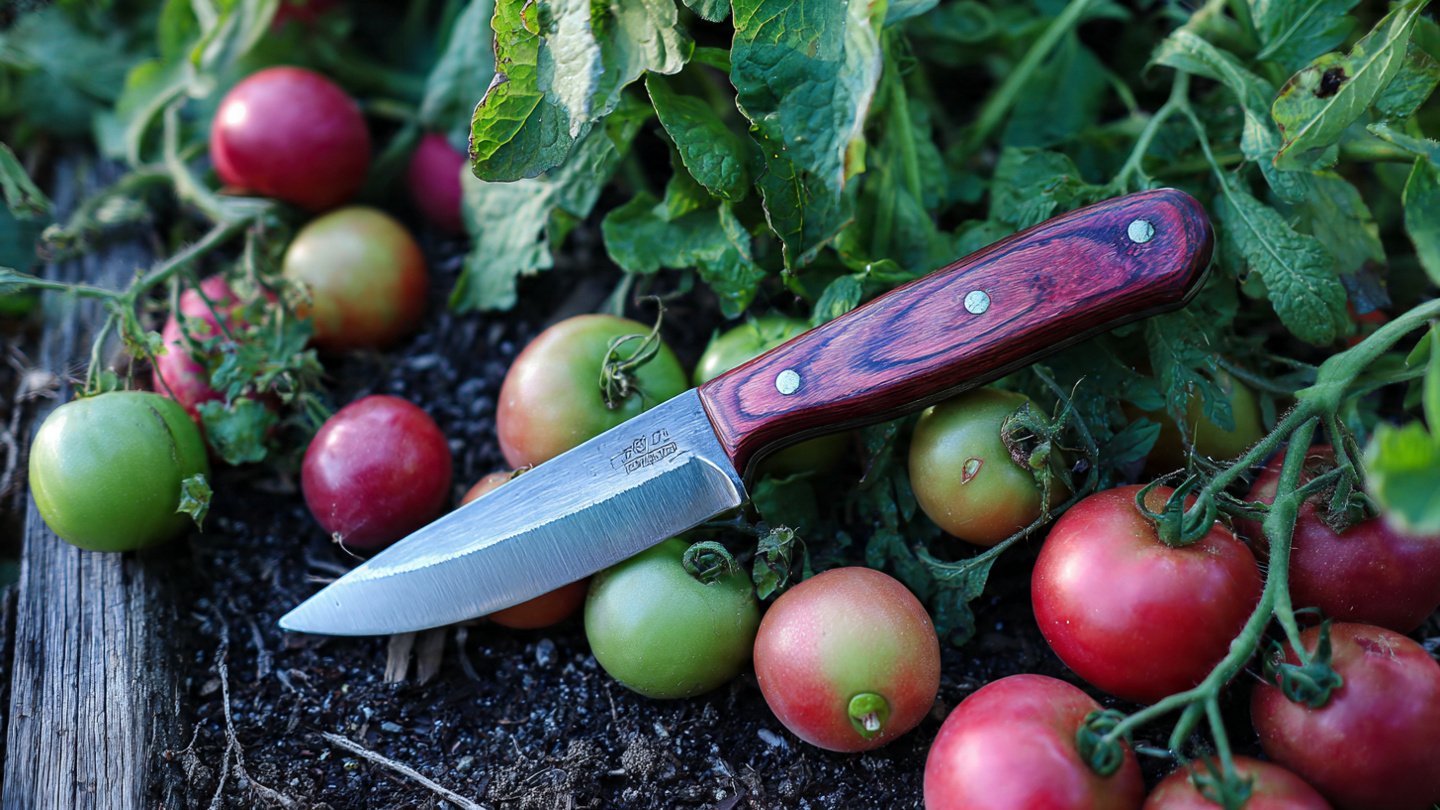
Harvesting is one of the most rewarding moments in gardening. After weeks or months of nurturing plants, the act of collecting fresh vegetables, herbs, or flowers feels deeply satisfying. Yet, many gardeners overlook one humble tool that can dramatically improve this experience: the garden knife. Often underestimated or replaced with generic kitchen knives or pruning shears, a proper garden knife can transform harvesting from a tedious chore into a smooth, efficient, and even enjoyable process.
This article explores how a garden knife can change your harvesting experience, why it is such an essential tool, and how using it correctly can save time, protect plants, and improve overall garden productivity.
Understanding the Garden Knife
A garden knife is specifically designed for outdoor use and plant-related tasks. Unlike kitchen knives, it is built to handle dirt, moisture, sap, and tougher plant fibers. Most garden knives feature a strong, sharp blade, often slightly curved or pointed, which allows for precision cutting at the stem or root level. Some designs include serrated edges, depth markings, or ergonomic handles for better grip during long harvesting sessions.
The simplicity of a garden knife is its greatest strength. It is lightweight, easy to carry, and versatile enough to handle multiple harvesting tasks without switching tools.
Precision That Protects Your Plants
One of the biggest advantages of using a garden knife is precision. When harvesting vegetables like lettuce, spinach, cabbage, or herbs, clean cuts are crucial. A sharp garden knife slices through stems smoothly instead of tearing them. This reduces damage to the plant tissue and helps the plant recover faster, especially for cut-and-come-again crops.
For fruiting plants such as tomatoes, cucumbers, eggplants, and peppers, precise cutting prevents accidental breakage of branches. Pulling fruits by hand can stress the plant or snap delicate stems, but a garden knife allows you to cut exactly where needed, keeping the plant healthy and productive for longer.
Faster and More Efficient Harvesting
Time efficiency is another major benefit. With a garden knife, harvesting becomes quicker and more organized. Instead of struggling with tough stems or using blunt tools, a sharp blade makes quick work of the task. This is especially useful during peak harvest seasons when multiple crops mature at the same time.
Gardeners with larger plots or kitchen gardens will notice a significant reduction in harvesting time. Even in small home gardens, the ease of use makes daily harvesting less tiring and more enjoyable.
Versatility Beyond Harvesting
A garden knife is not limited to harvesting alone. Its versatility makes it a multi-purpose tool in the garden. You can use it for thinning seedlings, dividing roots, cutting twine, removing damaged leaves, or even opening compost bags. This reduces the need to carry multiple tools, making garden work more streamlined.
During harvesting, you may notice diseased or pest-damaged parts of plants. A garden knife allows you to quickly remove these sections on the spot, helping maintain plant health and prevent the spread of problems.
Improved Safety and Control
Using the right tool improves safety. Many gardeners use kitchen knives or makeshift tools that are not designed for outdoor use. These can slip easily, especially when wet or dirty, increasing the risk of injury. Garden knives usually have textured or ergonomic handles that provide a secure grip, even with muddy hands.
Better control also means fewer accidental cuts to surrounding plants. With a garden knife, you can work close to the base of plants without disturbing neighboring roots or stems, which is especially important in densely planted beds.
Enhanced Harvest Quality
The quality of your harvest can improve significantly with a garden knife. Clean cuts reduce bruising and damage to vegetables and fruits, helping them last longer after harvest. Herbs cut neatly retain their freshness, aroma, and appearance better than those torn or crushed.
For root crops such as carrots, radishes, or beets, a garden knife can help loosen soil around the root before pulling, reducing breakage and ensuring a cleaner harvest. This results in produce that looks better and is easier to clean and store.
Comfort for Long Gardening Sessions
Harvesting can be physically demanding, especially during hot weather or when working for extended periods. A well-designed garden knife reduces strain on your hands and wrists. Instead of twisting, pulling, or applying excessive force, you let the blade do the work.
Many gardeners find that using a garden knife makes harvesting more enjoyable, encouraging them to spend more time in the garden. This increased engagement often leads to better plant care and higher yields over time.
Choosing the Right Garden Knife
Not all garden knives are the same, so choosing the right one matters. Look for a blade made from durable, rust-resistant material such as stainless or carbon steel. The blade should be sharp and easy to maintain. A comfortable handle that fits well in your hand is equally important, as it ensures better control and reduces fatigue.
Some gardeners prefer a straight blade for precision, while others like a slightly curved blade for cutting thicker stems. The best choice depends on your garden size, crop types, and personal comfort.
Proper Care and Maintenance
To get the most out of your garden knife, proper care is essential. Clean the blade after each use to remove soil, sap, and moisture. This prevents rust and keeps the blade sharp. Periodic sharpening ensures smooth cuts and prolongs the life of the knife.
Storing the garden knife in a dry place or sheath also improves safety and durability. A well-maintained knife can serve you reliably for many seasons.
Transforming the Gardening Experience
A garden knife may seem like a small addition to your tool collection, but its impact on harvesting is significant. It brings precision, efficiency, safety, and comfort to one of the most important stages of gardening. By reducing plant damage, saving time, and improving harvest quality, it enhances both productivity and enjoyment.
For beginners and experienced gardeners alike, investing in a good garden knife is a simple yet powerful step toward better harvesting. Once you experience the ease and control it offers, you may wonder how you ever harvested without it.
Conclusion
Harvesting should be a moment of satisfaction, not struggle. A garden knife transforms this experience by making every cut clean, every movement efficient, and every harvest more enjoyable. Whether you grow a few herbs on a balcony or manage a full kitchen garden, this versatile tool can truly revolutionize the way you harvest and connect with your garden.