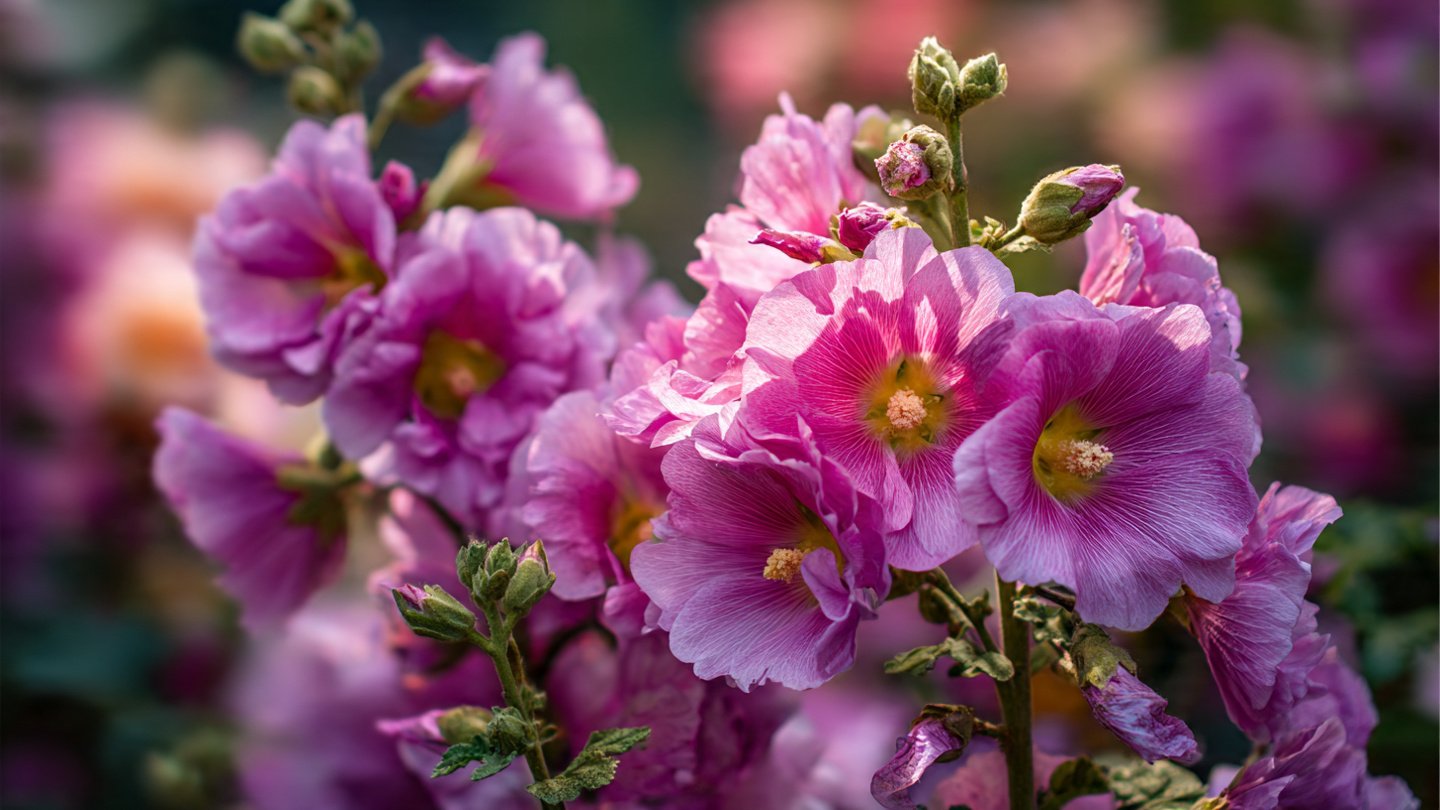
The quintessential English cottage garden evokes images of charming, rambling greenery, vibrant blooms spilling over stone walls, and a harmonious blend of colors, scents, and textures. Central to this idyllic scene are the flowers that define the style—plants that are not only visually stunning but also historically and ecologically significant. Understanding why these flowers are essential can help gardeners recreate that timeless charm while supporting pollinators and creating a sustainable, layered garden design.
What Defines a Classic English Cottage Garden?
Before diving into specific flowers, it’s important to understand the principles of a cottage garden. Unlike formal gardens with precise geometries, cottage gardens are characterized by:
- Informal Layout: Plants are allowed to grow freely, often spilling over paths or walls.
- Layered Planting: A mix of perennials, annuals, shrubs, and climbers creates depth and interest.
- Seasonal Interest: Flowers bloom sequentially from early spring to late autumn, ensuring color and fragrance throughout the year.
- Pollinator-Friendly: Cottage gardens attract bees, butterflies, and birds, creating a vibrant ecosystem.
The flowers chosen for a cottage garden are carefully selected not just for their beauty, but also for their ability to thrive in this informal, naturalistic setting.
Essential Flowers for a Cottage Garden
- Roses (Rosa spp.)
Roses are arguably the most iconic cottage garden flower. Old-fashioned varieties, such as David Austin English roses, provide fragrance, romantic appeal, and a touch of nostalgia. Climbers like ‘Climbing Joseph’s Coat’ or shrub roses can drape over fences and arbors, creating vertical interest. Why they are essential:- Provide height and structure
- Offer fragrance and visual appeal
- Attract pollinators like bees and butterflies
- Foxgloves (Digitalis purpurea)
Foxgloves are tall, spire-like flowers that bring dramatic vertical elements to a cottage garden. Their bell-shaped blooms in shades of purple, pink, and white attract hummingbirds and bees. They are biennials, meaning they flower in their second year, often self-seeding to create natural clusters. Why they are essential:- Introduce vertical interest and height
- Self-seeding encourages a natural, informal look
- Provide a habitat and food source for pollinators
- Delphiniums (Delphinium spp.)
Known for their towering spikes of blue, purple, pink, or white flowers, delphiniums add elegance and color depth. They thrive best in well-drained soil with some sun exposure and are perfect for the “back border” of a cottage garden. Why they are essential:- Offer striking vertical color
- Provide a classic, romantic feel
- Complement softer, lower-growing blooms
- Lavender (Lavandula spp.)
Lavender is a fragrant staple in cottage gardens, often used for borders or as ground cover. Its silvery foliage and soft purple spikes contrast beautifully with bolder flowers. Beyond aesthetics, lavender attracts bees and can be harvested for sachets, oils, or teas. Why they are essential:- Adds fragrance and texture
- Supports pollinators
- Creates a sensory experience beyond visual appeal
- Sweet Peas (Lathyrus odoratus)
Sweet peas are climbing annuals with delicate blooms and a sweet, heady fragrance. Often trained on trellises, fences, or arches, they add vertical interest while filling gaps between shrubs and perennials. Why they are essential:- Provide fragrance and delicate color
- Offer vertical structure without overwhelming the garden
- Can be cut for bouquets, bringing the garden indoors
- Hollyhocks (Alcea rosea)
Hollyhocks are classic tall flowers with large, showy blooms in colors ranging from soft pastels to bold reds. Traditionally grown against walls or fences, they create a nostalgic, historical feel reminiscent of old English cottages. Why they are essential:- Introduce height and drama
- Offer a vintage, timeless aesthetic
- Self-seeding allows natural expansion over time
- Peonies (Paeonia spp.)
Peonies are lush, full-bloom perennials with a strong, sweet fragrance. Their large, soft blossoms provide focal points, while foliage adds greenery throughout the season. Peonies can last decades, making them a long-term investment for a cottage garden. Why they are essential:- Provide lush, full blooms for visual impact
- Offer fragrance and texture contrast
- Long-lived, forming established clumps over time
- Poppies (Papaver spp.)
Poppies bring a burst of vibrant color, particularly red, orange, and pink, and are easily grown from seed. Their delicate, papery petals and naturalized growth habit suit the informal style of cottage gardens. Why they are essential:- Bright, cheerful color
- Naturalized growth complements informal design
- Attract pollinators with their open flowers
How These Flowers Work Together
The beauty of a classic cottage garden lies in layering and blending these flowers. Taller blooms like hollyhocks, delphiniums, and foxgloves form the backdrop. Mid-height plants such as peonies and roses fill the central space, while lavender, poppies, and sweet peas provide foreground interest and ground-level color. This combination creates depth, movement, and seasonal continuity.
Design Tips:
- Color Harmony: Stick to a complementary palette or soft pastels for a cohesive, timeless look.
- Succession Planting: Choose flowers with staggered blooming times to maintain color from spring through autumn.
- Natural Seeding: Allow self-seeding where appropriate to enhance the informal, wild charm.
Seasonal Considerations
Cottage garden flowers often have varying bloom times:
- Spring: Peonies, poppies, early roses
- Early Summer: Foxgloves, delphiniums, sweet peas
- Mid to Late Summer: Lavender, later rose varieties, hollyhocks
By selecting a mix of early, mid, and late bloomers, your garden will have continuous color and fragrance throughout the growing season.
Ecological Benefits
These flowers are not just aesthetically essential—they support local ecosystems:
- Pollinators: Bees, butterflies, and hummingbirds benefit from nectar-rich blooms.
- Wildlife Habitat: Dense plantings offer shelter for birds, insects, and beneficial organisms.
- Soil Health: Perennials and self-seeding annuals improve soil structure and organic content.
A cottage garden designed with these flowers contributes to biodiversity while creating a sustainable, low-maintenance space.
Conclusion
A classic English cottage garden is more than a collection of plants—it is a carefully orchestrated ecosystem of color, scent, and texture. The essential flowers—roses, foxgloves, delphiniums, lavender, sweet peas, hollyhocks, peonies, and poppies—bring structure, vertical interest, seasonal continuity, and ecological benefits. Each flower plays a role in creating the timeless, romantic aesthetic that defines cottage gardens, while supporting pollinators and naturalized growth.
By understanding why these flowers are indispensable, gardeners can plan, plant, and maintain a garden that captures the charm and allure of English country living. With thoughtful selection, layering, and care, your cottage garden can become a fragrant, vibrant retreat—a place where nature, beauty, and history converge in perfect harmony.