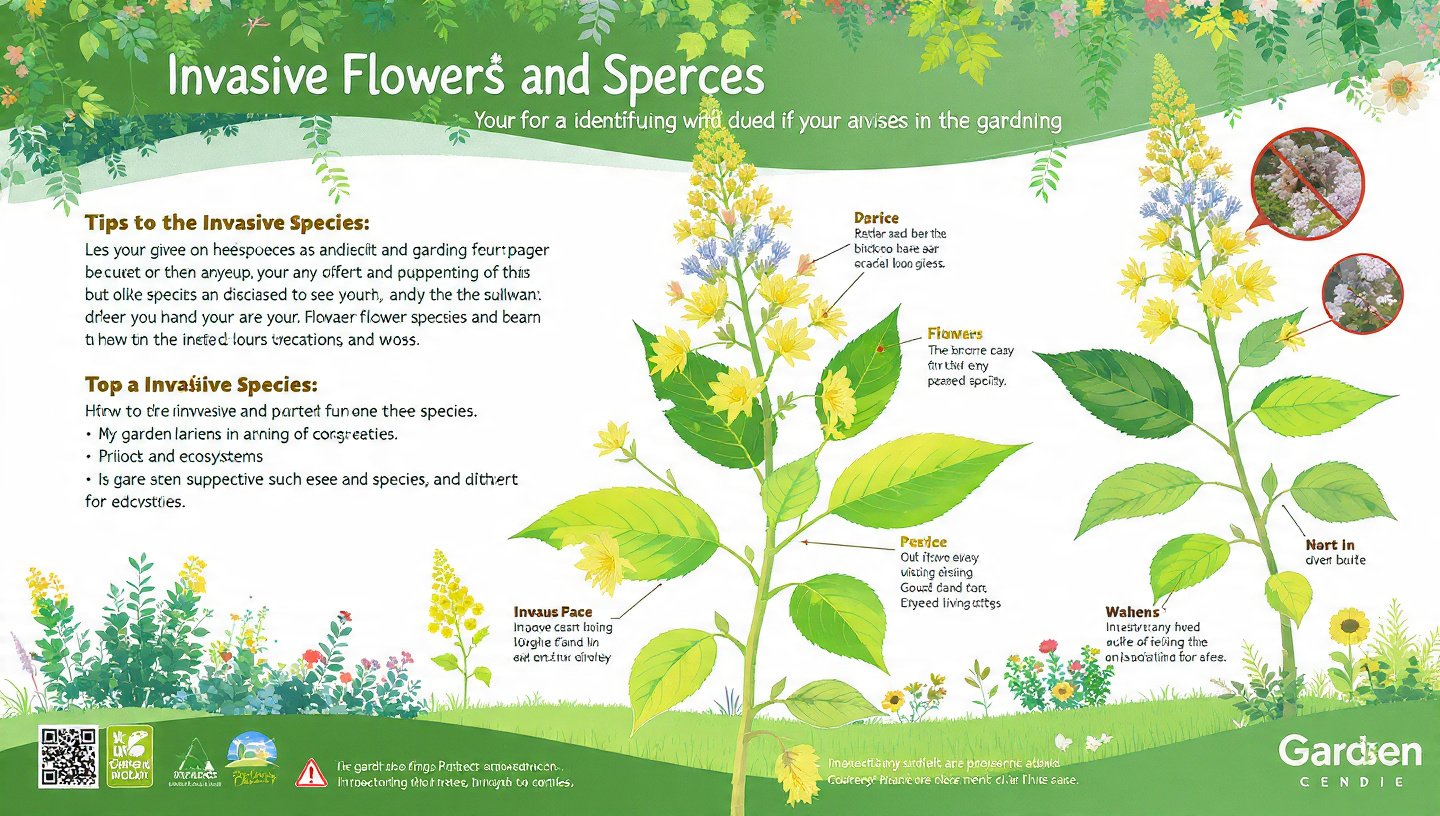
Gardening can be a source of immense joy and beauty, but not all flowers are safe for your garden ecosystem. Some ornamental species, while visually appealing, are invasive and can quickly take over your garden, outcompete native plants, and even harm local wildlife. Understanding which flowers are potentially invasive is crucial for any gardener who wants to maintain a balanced, sustainable, and thriving landscape.
This guide explores the risks of invasive flower species, how to identify them, and practical strategies to prevent their spread while keeping your garden vibrant and healthy.
What Are Invasive Flower Species?
Invasive flowers are non-native plants that grow aggressively in new environments. Unlike native plants, these species often lack natural predators or diseases to control their growth, allowing them to dominate landscapes. Key characteristics include:
- Rapid growth and reproduction
- Ability to spread beyond intended planting areas
- Outcompeting native plants for nutrients, light, and water
- Disrupting local ecosystems and reducing biodiversity
While some invasive flowers may initially seem attractive or easy to maintain, their long-term impact on gardens and surrounding natural habitats can be severe.
Common Invasive Flower Species to Avoid
Here are some widely recognized invasive ornamental flowers that gardeners should be cautious about:
1. Japanese Knotweed (Reynoutria japonica)
- Extremely aggressive growth; roots can damage structures.
- Difficult to eradicate once established.
- Can choke out native plants and disrupt soil health.
2. Purple Loosestrife (Lythrum salicaria)
- Invades wetlands and garden ponds.
- Spreads rapidly through seeds and rhizomes.
- Alters water flow and impacts wildlife habitats.
3. Morning Glory Varieties (Ipomoea spp.)
- Fast-growing vines that can overwhelm fences and trellises.
- Spreads easily from self-seeding.
- May smother other plants in flower beds or vegetable gardens.
4. English Ivy (Hedera helix) – Though Often Grown for Foliage
- Climbs aggressively on walls and trees.
- Can suffocate native shrubs and trees.
- Difficult to remove once established.
5. Sweet Alyssum in Certain Regions (Lobularia maritima)
- In some climates, escapes cultivation and crowds out local flora.
- Self-seeding behavior can create dense patches that are hard to manage.
Being aware of these species helps gardeners make informed choices and prevent ecological damage.
How Invasive Flowers Affect Gardens
1. Competition with Native Plants
Invasive species often grow faster and produce more seeds than native flowers, depriving local plants of light, nutrients, and water. This competition can:
- Reduce garden diversity
- Limit pollinator availability for native plants
- Lead to the decline of slower-growing or sensitive species
2. Altered Soil Chemistry
Some invasive flowers release chemicals into the soil that inhibit the growth of other plants—a phenomenon known as allelopathy. This can make it difficult for native flowers and vegetables to thrive.
3. Increased Pest and Disease Pressure
Dense invasive growth can:
- Provide a breeding ground for pests
- Trap moisture, encouraging fungal diseases
- Increase maintenance and reduce garden resilience
4. Ecosystem Disruption
When invasive flowers spread beyond the garden, they can impact local ecosystems by:
- Displacing native flora
- Reducing habitat availability for insects, birds, and other wildlife
- Altering pollination patterns and food chains
Maintaining a garden free of invasive species supports ecological balance and long-term sustainability.
Identifying Invasive Potential Before Planting
Preventing invasive flower problems starts with careful selection:
- Research plants before planting: Check local extension services or invasive species databases.
- Avoid aggressive spreaders: Plants that self-seed or propagate via runners may become uncontrollable.
- Consider native alternatives: Native flowers are better adapted to local conditions and support pollinators.
- Observe neighboring gardens: Note any species that are known to escape into the wild.
Proactive research helps gardeners enjoy beautiful blooms without creating future headaches.
Safe Alternatives to Invasive Flowers
Replacing invasive species with suitable alternatives ensures both aesthetic appeal and ecological responsibility. Some recommended options include:
- Coneflowers (Echinacea spp.): Native, hardy, and attractive to pollinators.
- Black-eyed Susans (Rudbeckia hirta): Bright flowers that do not spread aggressively.
- Bee Balm (Monarda spp.): Supports bees and butterflies without overtaking garden beds.
- Coreopsis (Coreopsis spp.): Low-maintenance, colorful, and well-behaved in most regions.
- Salvia (Salvia spp.): Drought-tolerant and visually striking, perfect for borders or containers.
Choosing non-invasive plants reduces garden maintenance and promotes a healthy ecosystem.
Controlling and Removing Invasive Flowers
If invasive flowers are already present in your garden, it’s essential to manage them carefully:
1. Manual Removal
- Uproot plants, including roots and rhizomes.
- Collect seeds to prevent self-seeding.
- Regularly monitor for regrowth.
2. Mulching and Smothering
- Use thick layers of mulch or black plastic sheets to suppress seedlings.
- Effective for controlling young plants before they establish.
3. Chemical Controls
- Herbicides may be used as a last resort.
- Follow label instructions carefully to avoid harming surrounding plants or soil.
4. Regular Monitoring
- Inspect the garden frequently for emerging invasive shoots.
- Early detection is key to successful control.
Consistent effort prevents invasive species from taking over and ensures a balanced garden ecosystem.
Preventing Future Invasions
- Use certified seeds and plants: Avoid plant stock labeled as potentially invasive.
- Contain aggressive plants in pots or raised beds: Prevent spreading into open soil.
- Educate family and neighbors: Reducing regional invasive spread protects your garden and community.
- Follow local regulations: Many regions restrict the sale or planting of highly invasive species.
Preventive measures are more effective and less labor-intensive than trying to eradicate established invasives.
Benefits of Avoiding Invasive Flowers
- Reduced maintenance: Less weeding, pruning, and monitoring.
- Sustainable garden ecosystems: Native plants flourish, supporting local wildlife.
- Better garden aesthetics: Controlled growth and well-balanced plant composition.
- Long-term cost savings: Less need for herbicides or extensive replanting.
- Community contribution: Helps protect local biodiversity and prevent regional infestations.
Being mindful of invasive species promotes both a thriving personal garden and a healthy environment.
Common Mistakes to Avoid
- Planting based solely on flower color or appearance without checking invasiveness.
- Ignoring seed dispersal habits or underground runners.
- Assuming a plant is safe because it is widely sold commercially.
- Failing to monitor garden borders, especially near natural habitats.
- Overlooking regional guidance from horticulture experts or extension services.
Avoiding these mistakes ensures that your garden remains vibrant, safe, and low-maintenance.
Final Thoughts
Invasive flower species pose a real risk to both private gardens and local ecosystems. While these plants may be visually attractive, their aggressive growth habits can quickly undermine the health of your garden and surrounding landscape. By identifying potential invasives, selecting native or non-aggressive alternatives, and implementing proactive control strategies, gardeners can enjoy a beautiful, sustainable, and diverse outdoor space.
Being informed and vigilant ensures that your garden thrives without being overrun, protecting your investment, promoting biodiversity, and creating a safe environment for pollinators and other wildlife. Thoughtful plant selection and careful maintenance make the difference between a flourishing garden and one dominated by invasive species.