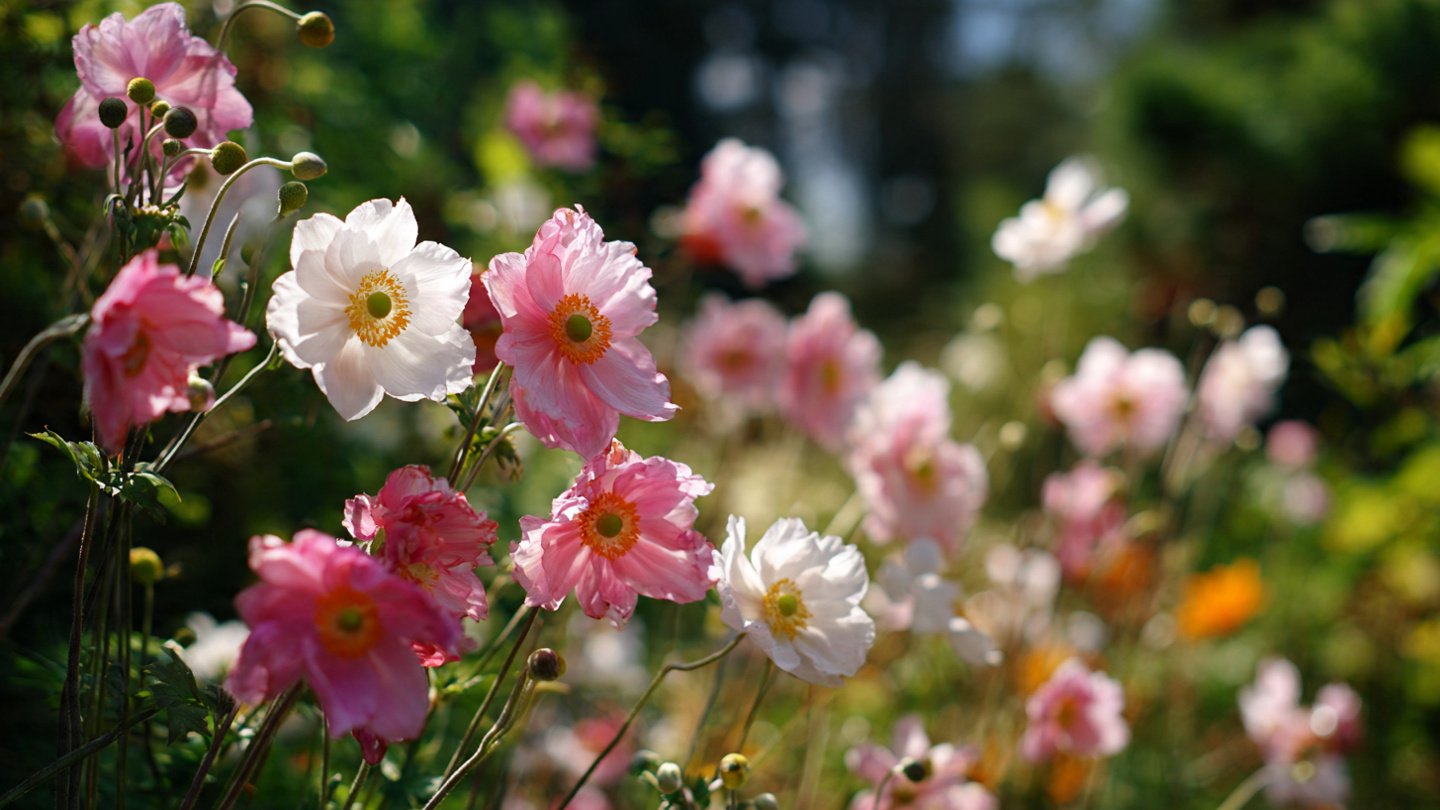
English cottage gardens are renowned for their charming, informal beauty. Bursting with color, fragrance, and layered textures, these gardens create a sense of nostalgia and timeless elegance. Unlike modern minimalist gardens, cottage gardens embrace abundance and variety, mixing perennials, annuals, shrubs, and climbers in harmonious chaos. Flowers play a central role in achieving this iconic look, providing not only aesthetic appeal but also fragrance, seasonal interest, and a habitat for pollinators. Understanding which flowers are essential for a classic English cottage garden allows gardeners to recreate this enchanting style in any setting.
The Philosophy of an English Cottage Garden
Before selecting flowers, it’s important to understand the guiding principles of a cottage garden:
- Informal design: Unlike geometric or formal gardens, cottage gardens use free-flowing plant arrangements
- Diverse plantings: A mix of perennials, annuals, climbers, and herbs creates a layered and textured look
- Seasonal succession: Flowers bloom throughout the growing season, ensuring continuous color and interest
- Wildlife-friendly: Plants are chosen to attract bees, butterflies, and birds, promoting biodiversity
- Fragrance and charm: Many classic cottage flowers are fragrant, adding a sensory dimension to the garden
With these principles in mind, gardeners can choose flowers that embody the essence of an English cottage garden.
Essential Perennials for a Timeless Look
Perennials are the backbone of any cottage garden, providing structure and recurring blooms year after year.
Key Perennials:
- Delphinium: Tall spikes of blue, purple, or white flowers create vertical interest
- Foxglove (Digitalis): Elegant, tubular flowers attract pollinators and add height
- Peony: Large, fragrant blooms that provide focal points in spring and early summer
- Hellebores: Early bloomers that add charm and ground-level interest in late winter or early spring
- Lupins: Vertical flower spikes that offer vibrant color and texture
Perennials provide longevity and structure while creating a romantic, layered effect essential to the cottage garden aesthetic.
Annuals for Continuous Color
Annual flowers fill gaps and provide vibrant seasonal color. They are especially useful for extending bloom times and creating variety.
Recommended Annuals:
- Sweet Peas: Fragrant climbing flowers perfect for trellises or fences
- Cosmos: Light, airy flowers that bloom from summer to fall
- Calendula: Bright orange and yellow blooms that attract pollinators
- Nigella (Love-in-a-Mist): Delicate, airy foliage and blue or white flowers
By mixing annuals with perennials, gardeners achieve a lush, continuous display that defines the cottage garden style.
Climbers and Twining Flowers
Vertical elements add charm and soften structures such as fences, walls, and arbors. Climbers are crucial for creating the “cottage” feel.
Popular Climbers:
- Clematis: Offers a range of colors and shapes, blooming at different times to extend interest
- Roses (Climbing Varieties): Timeless blooms and fragrance that epitomize English gardens
- Honeysuckle (Lonicera): Sweetly scented flowers that attract pollinators
- Morning Glory: Fast-growing annual climber for temporary summer blooms
Climbers create layers of color and texture, framing windows, walls, or trellises, and enhancing the vertical dimension of the garden.
Fragrant Flowers for Sensory Delight
Scent is as important as visual appeal in a cottage garden. Classic flowers with fragrance create a welcoming and immersive experience.
Must-Have Fragrant Flowers:
- Lavender: Iconic English herb, attracts bees, and adds a soft purple hue
- Roses: Particularly old-fashioned or Damask varieties with strong fragrance
- Sweet Peas: Delicate, sweet scent, ideal for cutting and indoor arrangements
- Stock (Matthiola): Long-lasting blooms with intense fragrance
These fragrant flowers invite visitors to linger and create an unforgettable sensory experience in the garden.
Seasonal Flowering for Year-Round Interest
A true English cottage garden has blooms throughout the year. Choosing flowers that flower in succession ensures the garden never looks bare.
Seasonal Breakdown:
- Spring: Tulips, daffodils, hellebores, primroses, and peonies
- Summer: Delphiniums, foxgloves, roses, lupins, sweet peas
- Autumn: Asters, sedum, cosmos, and chrysanthemums
- Winter: Hellebores, snowdrops, and evergreen shrubs for structure
By planning a seasonal sequence, gardeners maintain a colorful, vibrant garden from early spring to late winter.
Edible and Functional Flowers
Many cottage gardens include edible or functional flowers that add charm while providing practical benefits.
Examples:
- Herbs with Flowers: Basil, thyme, and chives produce edible blooms and attract pollinators
- Calendula: Edible petals and medicinal properties
- Nasturtium: Vibrant blooms and edible leaves for salads
Combining edible flowers enhances the sustainability of the garden while keeping the visual appeal intact.
Designing with Layers and Heights
Classic cottage gardens are defined by layered planting, combining low-growing flowers, mid-height perennials, and tall climbers.
Layering Tips:
- Place taller flowers like delphiniums and foxgloves at the back of borders
- Use mid-height plants like peonies and roses in the middle
- Fill front areas with low-growing flowers such as primroses, pansies, or alyssum
- Insert climbers along fences, arches, or trellises
This layered approach creates depth, fullness, and the romantic, slightly wild aesthetic characteristic of cottage gardens.
Attracting Wildlife
An essential aspect of a traditional English cottage garden is its ability to support pollinators and other wildlife.
Pollinator-Friendly Plants:
- Lavender, foxgloves, and daisies attract bees
- Honeysuckle and sweet peas attract butterflies
- Sunflowers and cosmos provide seeds for birds
Encouraging wildlife not only enhances biodiversity but also ensures better pollination and healthier blooms.
Maintenance and Care
While cottage gardens appear natural and informal, they do require some maintenance to thrive.
Key Care Tips:
- Deadhead spent flowers to encourage more blooms
- Prune climbers and overgrown perennials for structure
- Water consistently, especially during dry periods
- Fertilize perennials in spring for healthy growth
- Mulch around plants to retain moisture and reduce weeds
Regular care ensures the garden remains lush, colorful, and true to the classic cottage aesthetic.
Why These Flowers Are Essential
The right selection of flowers forms the backbone of a classic English cottage garden. They provide:
- Visual appeal: Colorful, layered, and varied textures
- Fragrance: Enhances the sensory experience
- Wildlife support: Attracts pollinators and birds
- Seasonal interest: Continuous blooms throughout the year
- Cottage charm: Old-fashioned, timeless elegance that defines the style
By carefully choosing perennials, annuals, climbers, and fragrant flowers, gardeners can recreate the quintessential cottage garden that has charmed generations.
Final Thoughts
A classic English cottage garden is more than just a collection of flowers—it’s a lifestyle, a celebration of nature, and an immersive, multi-sensory experience. By selecting essential flowers that provide color, fragrance, height, and seasonal interest, you can design a garden that feels timeless and enchanting. From perennials like delphiniums and peonies to fragrant climbers such as roses and sweet peas, every flower contributes to the overall harmony of the garden. Layered plantings, pollinator-friendly species, and careful seasonal planning ensure your cottage garden flourishes year after year.
With thoughtful design and care, your garden can become a living tribute to the classic English style—overflowing with charm, fragrance, and beauty that invites visitors to linger and enjoy every corner. By cultivating these essential flowers, you not only create a stunning visual landscape but also a vibrant ecosystem that celebrates the magic of a traditional cottage garden.