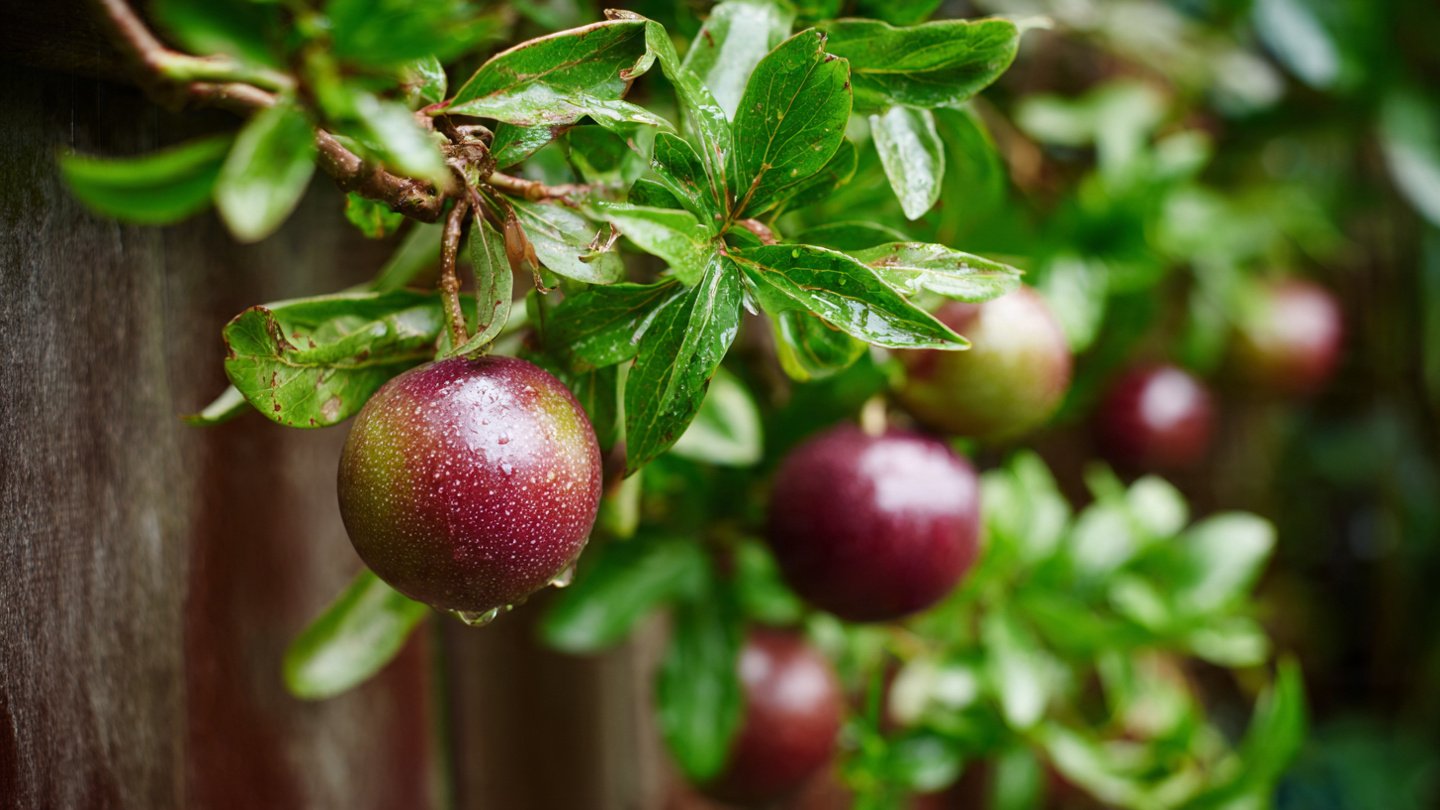
Passionfruit is a tropical vine that captivates gardeners with its fragrant flowers, vibrant fruits, and lush foliage. While traditionally grown along trellises or pergolas, vertical gardening opens new opportunities for urban and small-space gardeners. By using a fence as a growing support, you can maximize space, create a natural privacy screen, and enjoy a continuous harvest of these exotic fruits. Vertical passionfruit gardening requires thoughtful planning, proper care, and strategic maintenance to ensure healthy growth and abundant fruiting. In this guide, we’ll explore the best tips for growing a vertical passionfruit garden on a fence.
Why Choose Vertical Gardening for Passionfruit?
Vertical gardening has several advantages, especially for passionfruit:
- Space efficiency: Vines grow upward, freeing valuable ground space for other plants.
- Improved air circulation: Vertical growth reduces the risk of fungal diseases by keeping leaves and fruits off the ground.
- Better sunlight exposure: Vines trained along a fence receive more even sunlight, promoting flowering and fruiting.
- Aesthetic appeal: Passionfruit vines create a lush, tropical wall, enhancing the garden’s visual appeal while providing shade and privacy.
- Ease of harvesting: Fruits are easier to spot and pick when grown at eye level or slightly higher.
Selecting the Right Passionfruit Variety
Choosing the right variety is crucial for vertical gardening, as some passionfruit vines grow more vigorously and fruit more abundantly than others. The two main types of passionfruit are:
- Purple Passionfruit (Passiflora edulis): Smaller fruits, highly aromatic, and best suited to subtropical regions.
- Yellow Passionfruit (Passiflora edulis f. flavicarpa): Larger fruits, vigorous growth, and excellent for tropical climates.
For vertical gardens, select vigorous, fast-growing varieties that produce abundant flowers and fruit. Consider local climate, frost sensitivity, and disease resistance when choosing a variety.
Choosing the Right Fence and Support
The fence serves as both a support structure and a framework for your vertical passionfruit garden. Keep these tips in mind:
- Strength: Passionfruit vines are heavy, especially when laden with fruit. Ensure your fence is strong and stable. Wooden, metal, or wire mesh fences work well.
- Height: A fence of at least 6–8 feet is ideal. Vertical growth allows vines to reach full potential and produce maximum fruit.
- Attachment points: Add horizontal wires, trellis panels, or garden netting to guide the vine and keep growth organized.
- Accessibility: Position the fence for easy pruning, maintenance, and harvesting. Consider placing it near a walkway or garden path.
Planting Passionfruit for a Vertical Fence Garden
Step 1: Soil Preparation
Passionfruit vines thrive in well-draining, fertile soil. Prepare the planting area as follows:
- Mix garden soil with compost or well-rotted manure to improve fertility.
- Ensure slightly acidic to neutral pH (6.0–7.0).
- If planting in a raised bed along the fence, add sand or perlite for improved drainage.
Step 2: Spacing
- Plant one vine per 3–5 feet of fence length to prevent overcrowding.
- Allow enough space for lateral growth and airflow between plants.
Step 3: Planting Technique
- Dig a hole slightly larger than the root ball.
- Place the plant and backfill with prepared soil.
- Water thoroughly to settle the soil and remove air pockets.
- Mulch around the base to retain moisture and reduce weeds.
Training Passionfruit Vines Vertically
Proper training is key to maintaining a productive vertical passionfruit garden.
1. Guiding the Vine
- When the vine is young, gently tie the main stem to a trellis, horizontal wire, or netting attached to the fence.
- Use soft plant ties or garden twine to avoid damaging the stem.
- Encourage the vine to climb upward and weave through support structures.
2. Pruning for Shape and Fruit
- Prune young vines lightly to promote lateral branching.
- Remove dead, damaged, or diseased stems.
- After the first year, cut back excessively long or tangled stems to improve sunlight penetration.
- Strategic pruning encourages more flowers and fruit production.
Fertilization and Nutrition
Passionfruit vines are heavy feeders and require consistent nutrition to thrive and produce fruit.
- Pre-planting: Mix compost or well-rotted manure into the soil.
- During growth: Apply a balanced fertilizer every 4–6 weeks.
- Flowering and fruiting stage: Switch to a phosphorus- and potassium-rich fertilizer to support flower and fruit development.
- Micronutrients: Ensure the vine receives magnesium, calcium, and iron for healthy leaves and strong fruits.
Organic fertilizers such as compost tea or seaweed extract are ideal for sustainable nutrition.
Watering and Mulching
Proper watering is critical for vertical passionfruit gardens:
- Frequency: Water deeply 1–2 times per week, adjusting based on rainfall and temperature.
- Method: Avoid wetting leaves excessively to prevent fungal diseases; water at the base.
- Mulching: Apply 2–3 inches of organic mulch (straw, wood chips, or compost) around the vine base.
- Benefits: Mulch helps retain moisture, suppress weeds, regulate soil temperature, and gradually enrich the soil.
Pollination Tips
Passionfruit flowers are intricate and require pollination to set fruit:
- Natural pollinators: Bees and other insects typically handle pollination.
- Manual pollination: For indoor or less accessible fences, use a soft brush or small cotton swab to transfer pollen between flowers.
- Flower health: Remove damaged or wilted flowers to focus energy on healthy fruit development.
Pest and Disease Management
Passionfruit vines can attract pests such as aphids, scale insects, fruit flies, and caterpillars. Fungal diseases like Fusarium wilt and brown spot may also appear.
Management strategies:
- Inspect plants weekly for early signs of infestation.
- Use organic insecticides like neem oil or insecticidal soap to control pests.
- Remove affected leaves promptly to prevent disease spread.
- Ensure good airflow along the fence by proper pruning and spacing.
- Rotate fertilizers and avoid overwatering to reduce fungal disease risk.
Harvesting Passionfruit
Timing and technique are essential for harvesting ripe fruits:
- Appearance: Fruits are typically deep purple (or yellow for tropical varieties) and slightly wrinkled when fully ripe.
- Detachment: Gently twist or cut the fruit from the vine to avoid damaging stems.
- Harvest frequency: Regularly harvesting mature fruits encourages continued flowering and fruiting.
- Storage: Store harvested passionfruit in a cool, dry place. Ripe fruits can be refrigerated for up to two weeks or used immediately in cooking or juice.
Maximizing Vertical Yield
- Succession planting: Introduce new vines along unused sections of the fence to maintain continuous harvest.
- Layering vines: Encourage lateral branches to grow horizontally across wires for more fruiting sites.
- Companion planting: Plant flowering herbs or crops nearby to attract pollinators.
- Monitoring growth: Keep a garden journal to track pruning, flowering, and fruiting patterns.
With consistent care and attention, vertical passionfruit gardens can produce abundant fruits year after year.
Benefits of a Vertical Passionfruit Fence Garden
- Space optimization: Perfect for small urban yards or balconies.
- Privacy screen: Thick, leafy vines create a natural wall.
- Aesthetic value: Fragrant flowers and lush greenery enhance garden appeal.
- Continuous harvest: Proper care ensures multiple crops throughout the season.
- Eco-friendly: Encourages pollinator activity and reduces the need for chemical interventions.
Conclusion
Growing passionfruit vertically on a fence is a smart, space-saving approach that combines beauty with productivity. By selecting vigorous varieties, preparing fertile soil, providing strong support, and maintaining consistent care—including pruning, fertilization, and watering—you can cultivate a thriving vertical garden that produces abundant fruits.
Strategic training along a fence, along with proper pollination and pest management, ensures continuous flowering and fruiting, maximizing your harvest. With patience and attention to detail, a vertical passionfruit fence garden can transform your outdoor space into a tropical paradise, offering delicious, fragrant fruits for years to come.
Whether you’re an urban gardener with limited space or an experienced grower looking to optimize yield, these tips will help you achieve a lush, productive, and visually stunning vertical passionfruit garden on your fence.