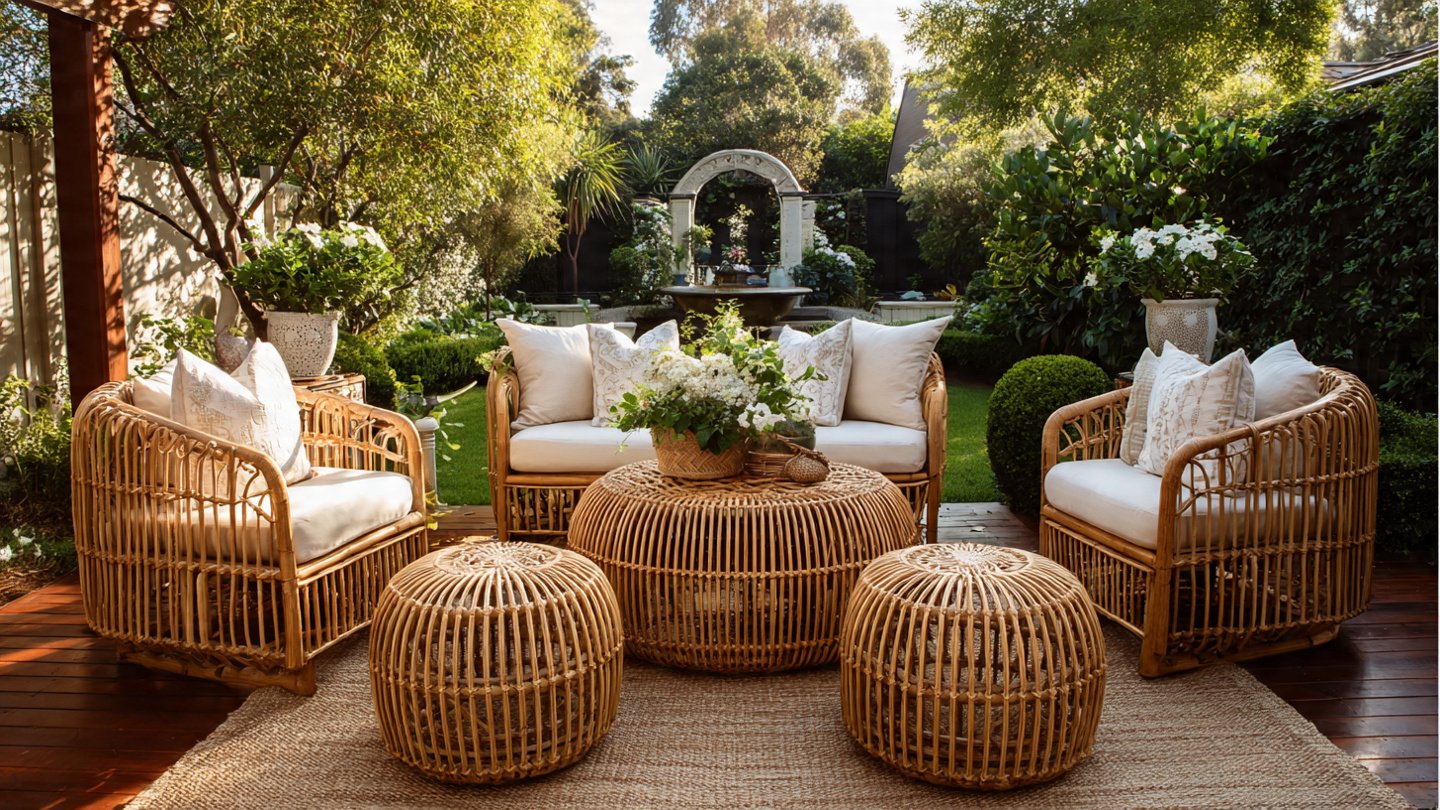
Rattan garden furniture has been a staple in outdoor spaces for decades, but in recent years, interior designers and home decorators are bringing it back with renewed enthusiasm. From chic patios to urban balconies and resort-style backyards, rattan furniture is now considered both stylish and functional. Its revival is not just about aesthetics; it reflects broader trends in sustainability, comfort, and versatile living spaces.
This article explores why interior designers are championing rattan furniture, how it is being used creatively in modern gardens, and the benefits that make it a must-have choice for contemporary outdoor living.
The Timeless Appeal of Rattan
Rattan has a natural, organic charm that instantly elevates outdoor areas. It is lightweight, flexible, and available in a variety of weaves and finishes, which allows designers to experiment with different styles, from minimalist modern to bohemian chic.
The natural texture of rattan blends seamlessly with greenery, water features, and natural stone, creating an inviting environment that encourages relaxation. Unlike some synthetic materials, rattan exudes warmth and authenticity, making outdoor spaces feel like an extension of the home.
Sustainability and Eco-Friendliness
One major reason for rattan’s resurgence is its sustainability. Rattan is a fast-growing, renewable palm that requires minimal chemical intervention, making it an eco-friendly alternative to plastic or synthetic garden furniture.
Interior designers are increasingly aware of environmental impact, and choosing rattan aligns with modern green design principles. The furniture’s long lifespan, especially when treated for outdoor durability, reduces waste and promotes responsible consumption, which appeals to eco-conscious homeowners.
Lightweight and Versatile Design
Rattan furniture is exceptionally lightweight, which makes it easy to rearrange and adapt to changing garden layouts or balcony spaces. This versatility is particularly valuable in urban homes where outdoor areas are limited.
Designers often pair rattan chairs, sofas, and loungers with modular tables and cushions, allowing homeowners to customize their outdoor seating arrangements. The furniture’s flexibility makes it suitable for casual dining, sunbathing, or even outdoor workspaces.
Comfort Without Compromise
Unlike some rigid materials, rattan furniture naturally molds to cushions and soft furnishings, providing a comfortable seating experience. Designers are reviving the trend with ergonomic designs that enhance comfort while maintaining a sleek, modern aesthetic.
With the addition of weather-resistant cushions in neutral tones, vibrant colors, or textured fabrics, rattan furniture becomes not only visually appealing but also highly comfortable for long hours of outdoor relaxation.
Blending Indoor and Outdoor Spaces
One notable trend driving rattan’s revival is the desire to blur the boundaries between indoor and outdoor living. Modern homeowners increasingly view balconies, terraces, and gardens as extensions of their interior spaces.
Rattan furniture’s natural look complements both indoor and outdoor aesthetics, making it possible to maintain a cohesive style throughout the home. Designers often incorporate matching rattan elements inside living areas to create continuity and a seamless transition to the outdoors.
Innovative Designs and Materials
The rattan furniture of today goes beyond traditional weaving. Designers are experimenting with synthetic rattan, which offers enhanced durability and resistance to weather conditions like UV rays, rain, and humidity.
Synthetic rattan retains the natural look and feel but is easier to maintain, making it ideal for modern outdoor environments. From sleek sectional sofas to intricate hanging chairs and sun loungers, innovative rattan designs allow homeowners to combine style, comfort, and functionality.
Cultural and Aesthetic Influences
Rattan has long been associated with tropical, bohemian, and resort-style aesthetics. Interior designers are leveraging these cultural associations to create luxurious yet approachable outdoor spaces.
The revival also reflects a nostalgia for natural, handmade craftsmanship. In an era dominated by mass-produced materials, rattan represents artisanal skill and authenticity, appealing to homeowners who value design rooted in tradition.
Low Maintenance and Longevity
Another reason for rattan’s comeback is its low-maintenance nature. Natural rattan can last for years if protected from excessive moisture, while synthetic rattan is weatherproof and easy to clean.
Unlike metal furniture, which can rust, or wooden furniture, which may require constant varnishing, rattan offers a practical, durable option for outdoor living. Simple care routines, like occasional dusting, wiping with a damp cloth, and storing cushions indoors during heavy rain, keep rattan furniture looking fresh and stylish.
Versatility in Outdoor Spaces
Rattan furniture is highly adaptable to different outdoor settings:
- Patios and Decks: Sleek rattan dining sets create casual, comfortable dining areas.
- Balconies: Compact rattan chairs and small tables maximize limited space without compromising style.
- Gardens: Lounge sets and hammocks provide a resort-like experience in private gardens.
- Poolside: Synthetic rattan is water-resistant, perfect for creating chic poolside lounges.
This adaptability allows designers to use rattan across various settings, making it a preferred choice for homeowners and decorators alike.
Pairing Rattan with Modern Accessories
Interior designers enhance rattan furniture by pairing it with modern accessories:
- Cushions: Colorful or patterned cushions add vibrancy and comfort.
- Throws and Rugs: Outdoor rugs and soft throws create cozy seating areas.
- Planters and Greenery: Potted plants, hanging baskets, and vertical gardens complement the natural texture of rattan.
- Lighting: String lights, lanterns, or solar lamps enhance the ambiance, making rattan furniture the centerpiece of an inviting outdoor space.
The Psychological Appeal of Natural Materials
Rattan’s natural texture and warm tones have a positive psychological impact. Natural materials like rattan are associated with relaxation, calm, and connection to nature. In urban environments, where concrete and synthetic materials dominate, rattan furniture brings a sense of tranquility and organic beauty, making outdoor spaces more inviting and restorative.
Final Thoughts
The revival of rattan garden furniture is driven by a combination of aesthetics, functionality, sustainability, and comfort. Interior designers are embracing this trend because it offers a versatile solution for modern living, blending indoor and outdoor spaces seamlessly.
From lightweight, ergonomic chairs to modular sofas and hanging loungers, rattan furniture allows homeowners to create stylish, comfortable, and sustainable outdoor retreats. Its natural texture, low maintenance, and adaptability make it a practical choice for patios, balconies, gardens, and poolside areas.
As urban living spaces shrink and homeowners seek multifunctional, eco-friendly solutions, rattan furniture is poised to remain a popular choice for years to come. Whether you are redesigning your balcony, creating a resort-style backyard, or adding a cozy corner to your terrace, rattan furniture offers a timeless, elegant solution that combines comfort, style, and practicality.