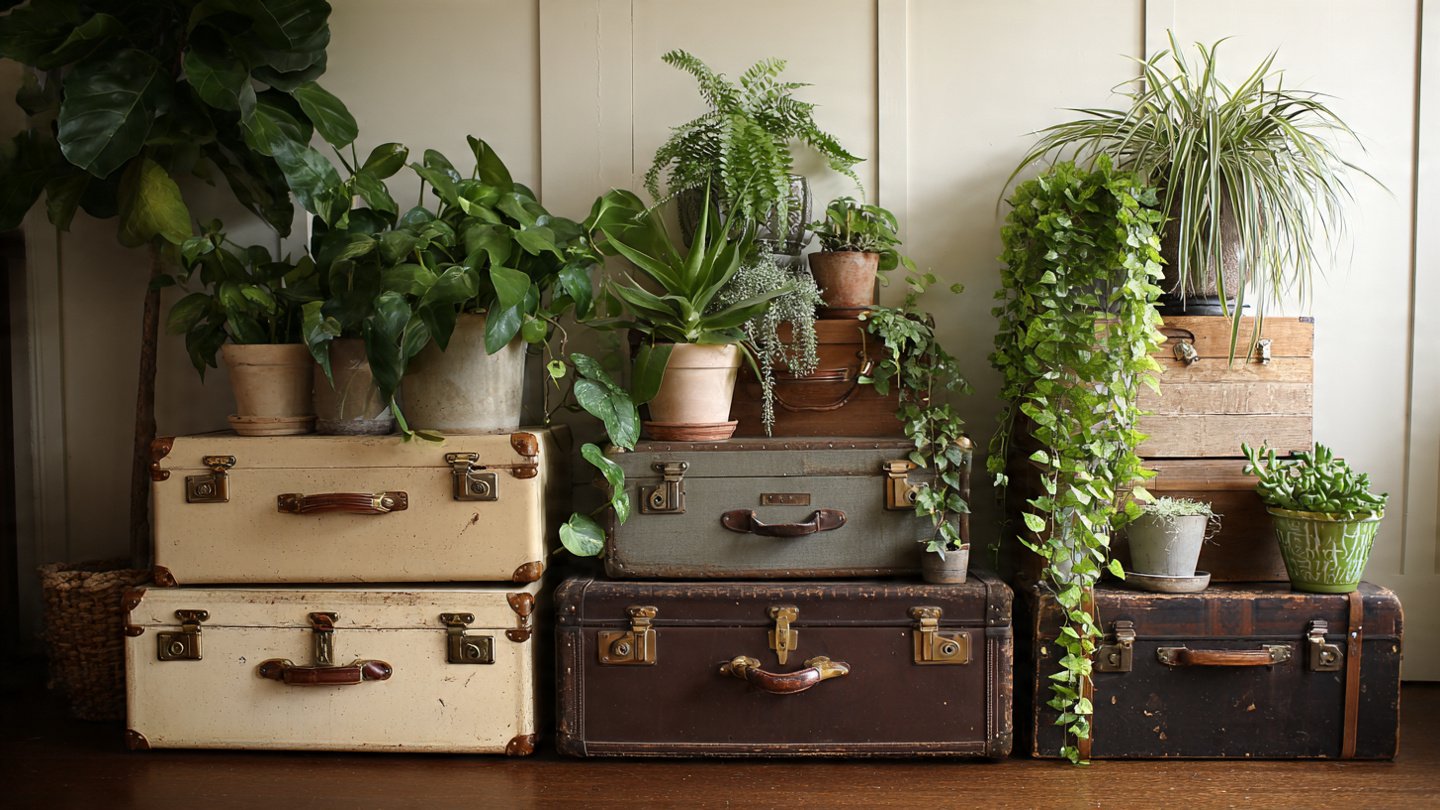
Repurposing old items into functional and stylish décor has become increasingly popular, and one of the most creative ways to do this is by transforming old suitcases into indoor plant stands. Whether your suitcase is a vintage leather piece, a retro hard-shell model, or a colorful fabric design, it can be turned into a statement piece that elevates your indoor garden. Not only does this give new life to items that might otherwise go unused, but it also adds character, charm, and personality to your living space. This guide will walk you through how to turn old suitcases into indoor plant stands, including planning, materials, assembly, and styling tips.
Why Use Suitcases as Plant Stands?
Old suitcases make excellent plant stands for several reasons:
- Sustainable and Eco-Friendly: Repurposing suitcases reduces waste and gives them a new purpose.
- Unique Style: Vintage or retro suitcases add a distinctive aesthetic that can complement rustic, bohemian, industrial, or eclectic décor.
- Functional Storage: Some designs allow for hidden storage inside the suitcase for gardening supplies, pots, or soil.
- Portable: Suitcases often have handles, making it easier to move your plants if needed.
- Creative Versatility: They can be stacked, painted, or decorated to suit your interior style, making them highly customizable.
Choosing the Right Suitcase
The first step is selecting a suitcase suitable for your indoor plant stand project:
- Size: Ensure the suitcase is large enough to hold your plant and pot comfortably. Small suitcases are better suited for small to medium-sized plants, while larger trunks can support multiple pots or larger plants.
- Condition: Choose a sturdy suitcase. Soft-sided suitcases may need reinforcement, while hard-shell versions provide a solid, stable base.
- Style: Vintage leather, metal-edged, or colorful fabric designs can all work. Consider how the suitcase complements your home décor.
- Weight: Heavier suitcases provide stability, especially if you’re using tall plants.
Materials and Tools Needed
Once you’ve selected your suitcase, gather the necessary materials and tools:
Materials:
- Old suitcase
- Pot or planter
- Waterproof liner or tray (optional)
- Paint or varnish (optional for customization)
- Decorative hardware (optional, e.g., legs, handles, hinges)
Tools:
- Screwdriver or drill
- Sandpaper (if painting or varnishing)
- Measuring tape
- Gloves for protection
Optional accessories include furniture legs for elevated designs or wheels for mobility.
Step 1: Clean and Prepare the Suitcase
Before using the suitcase as a plant stand, thorough cleaning is essential:
- Empty the suitcase completely.
- Wipe the exterior with a damp cloth to remove dust, dirt, and grime.
- Clean the interior with a mild soap solution, especially if you plan to store soil or plants inside.
- Dry thoroughly to prevent mold or mildew.
If the suitcase has damaged areas, consider repairing them or reinforcing weak sections before proceeding.
Step 2: Decide on the Plant Arrangement
There are several ways to display plants using a suitcase:
- Single Plant Stand: Place one plant on top of the closed suitcase for a simple, stylish display.
- Planter Inside the Suitcase: Open the suitcase and line the interior with a waterproof tray, then place potted plants inside. This creates a contained mini-garden.
- Stacked Suitcases: For a dramatic effect, stack multiple suitcases of varying sizes and heights. Place a plant on top of each suitcase for a tiered display.
When deciding, consider plant height, light requirements, and the stability of the suitcase to prevent tipping.
Step 3: Add Waterproofing
Plants need water, and soil moisture can damage a suitcase if not properly protected:
- Top Plant Placement: Use a saucer or waterproof tray under the pot to catch excess water.
- Inside Planter: Line the interior of the suitcase with a waterproof liner or tray to prevent water damage. Plastic or metal trays work well and can be easily cleaned.
- Sealing the Suitcase: For wooden or vintage leather suitcases, apply a protective sealant to prevent staining from water or soil.
Waterproofing ensures longevity and keeps your suitcase looking great over time.
Step 4: Customize Your Suitcase (Optional)
Customizing your suitcase allows you to match your décor or create a bold statement:
- Painting: Use spray paint or acrylic paint to match your color scheme. Chalk paint is great for a vintage, rustic look.
- Varnishing: Enhance the natural look of wooden or leather suitcases with a clear varnish.
- Adding Legs or Casters: Attach furniture legs for elevation or wheels for mobility. This is especially useful for heavier plants or stacked suitcase designs.
- Decorative Accents: Add knobs, hinges, or decorative stickers to personalize the suitcase further.
Customization is optional but can transform an ordinary suitcase into a stunning centerpiece.
Step 5: Placing the Plants
Once your suitcase is ready, it’s time to place your plants:
- Choose the Right Plant: Consider the lighting conditions and size of your plants. Some great options for suitcase plant stands include:
- Pothos: Trailing plant that cascades over the sides.
- Succulents: Perfect for small or shallow suitcase displays.
- Ferns: Add lush greenery and texture.
- Snake Plant: Tall, upright leaves complement a standing suitcase display.
- Herbs: If placing near the kitchen, mint, basil, or rosemary works well.
- Arrange Carefully: Ensure that the plant is stable and not at risk of tipping. Use heavier pots for larger plants and lighter pots for smaller plants.
- Layering: Combine multiple small plants for a fuller display or mix plant types for varying heights and textures.
Step 6: Maintaining Your Plant Stand
Proper maintenance keeps both your plants and suitcase looking their best:
- Water Carefully: Avoid overwatering and always use trays or saucers.
- Light Requirements: Ensure plants receive the appropriate light—move the suitcase closer to windows or use grow lights if necessary.
- Cleaning: Wipe the exterior and interior periodically to remove dust and prevent mold.
- Pruning and Repotting: Regularly trim plants and repot as needed to prevent overgrowth or root-bound conditions.
Creative Ideas for Suitcase Plant Stands
Here are some inventive ways to incorporate suitcases into your indoor garden:
- Stacked Vintage Garden: Stack three suitcases of different sizes, place cascading plants like ivy or pothos on top, and allow leaves to drape elegantly over the edges.
- Hanging Suitcase Planter: Mount an open suitcase on the wall and fill it with succulents or air plants for a vertical garden.
- Coffee Table Planter: Use a large hard-shell suitcase as a coffee table with an array of small succulents inside.
- Seasonal Displays: Switch plants with the seasons—spring flowers in the suitcase in March, summer greenery, and small pumpkins or gourds in autumn.
These creative ideas allow your suitcase plant stand to be both functional and an ever-changing piece of décor.
Benefits of Using Suitcases as Plant Stands
- Eco-Friendly Décor: Reduces waste and repurposes old items.
- Unique Style: Creates a vintage, eclectic, or boho-chic accent.
- Space Efficiency: Ideal for small apartments or homes with limited floor space.
- Conversation Starter: A suitcase plant stand is a unique feature that draws attention and compliments.
Conclusion
Turning old suitcases into indoor plant stands is a fun, creative, and sustainable way to enhance your home décor while showcasing your indoor garden. With a little planning, proper waterproofing, and thoughtful arrangement, you can transform ordinary or vintage suitcases into eye-catching, functional plant displays. Whether you choose a single suitcase, stack multiple for a tiered effect, or even create a wall-mounted vertical garden, these repurposed pieces bring charm, personality, and greenery into your living space.
By carefully selecting your suitcase, preparing it properly, and choosing the right plants, you can create a versatile, stylish, and eco-friendly indoor plant stand that will impress visitors and bring joy to your home for years to come.
Repurposing suitcases is more than just a DIY project—it’s a statement of creativity, sustainability, and style. So, gather your old suitcases, pick your favorite plants, and start building your indoor garden stand that’s as functional as it is beautiful.