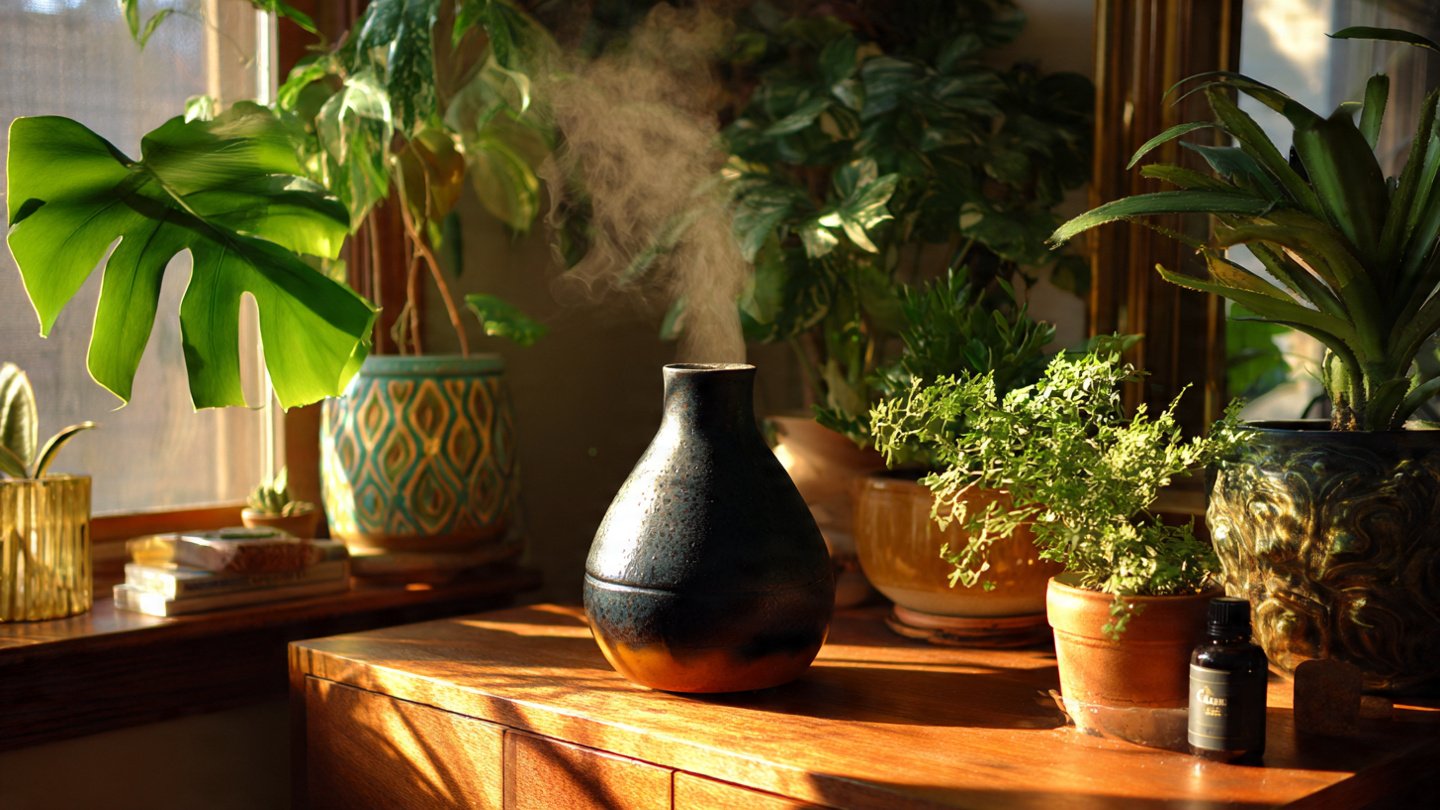
A home that smells fresh and inviting is instantly more welcoming and relaxing. While artificial air fresheners can mask odors, they often contain chemicals that irritate the lungs and can be harmful over time. For those who love the calming aroma of a garden, there are natural ways to bring floral, herbal, and fresh scents indoors. From essential oils to indoor plants, these strategies can transform your living space into a fragrant sanctuary without relying on synthetic sprays.
Why a Naturally Fragrant Home Matters
Our sense of smell is closely linked to memory, mood, and overall well-being. A naturally fragrant home can:
- Reduce stress: Fresh, plant-based scents like lavender and rosemary are known for their calming properties.
- Boost mood and energy: Citrus scents, such as lemon or orange, can energize and uplift your spirit.
- Eliminate odors: Certain herbs and natural ingredients neutralize unwanted smells instead of just masking them.
- Improve indoor air quality: Plants and natural air fresheners often absorb toxins, helping the air feel cleaner.
The goal is to recreate the essence of a garden indoors—vibrant, fresh, and soothing.
Use Fresh Flowers and Herbs
One of the simplest ways to make your home smell like a garden is by using fresh flowers and herbs.
- Bouquets of Fresh Flowers: Roses, jasmine, lilies, and gardenias carry strong, natural fragrances that fill a room. Placing them in living areas, bedrooms, or bathrooms creates an immediate garden-like scent.
- Herb Arrangements: Rosemary, mint, basil, and thyme not only smell wonderful but can also double as cooking ingredients. Grouping herbs in small pots on your kitchen windowsill or tabletop adds a fragrant and functional touch.
- Floating Petals or Herbs: Fill a bowl with water and add fresh petals or sprigs of herbs. This works beautifully as a centerpiece and releases a subtle scent over time.
Essential Oils and Natural Diffusers
Essential oils are concentrated plant extracts that carry the true aroma of flowers, herbs, and citrus. They are highly effective in naturally scenting your home.
- Diffusers: Ultrasonic diffusers disperse essential oils into the air as a fine mist, evenly filling the room with fragrance.
- Oil Blends: Combine oils to create custom scents. For example, lavender and rosemary for a calming garden vibe or orange and peppermint for freshness.
- Reed Diffusers: These offer a slow, continuous release of scent and look decorative on shelves or countertops.
- DIY Spray: Mix a few drops of essential oil with water in a spray bottle for an instant air refresher.
Simmering Natural Ingredients
Simmering herbs, fruits, and spices on the stove is an old-fashioned but effective way to naturally scent your home.
- Citrus and Herbs: Combine orange slices with rosemary or thyme in a pot of water. Simmer gently to release a fresh, garden-like aroma.
- Spices: Cinnamon sticks, cloves, or cardamom can create a warm and inviting scent when simmered.
- Revitalize Anytime: This method is perfect for chilly evenings or when hosting guests. Simply turn off the stove when you leave the room.
Indoor Plants for Fragrance
Certain indoor plants are not just beautiful—they are naturally fragrant and continuously release pleasant scents.
- Jasmine: Known for its sweet, intense aroma, jasmine thrives in indirect sunlight and adds a garden feel indoors.
- Lavender: Easy to grow in pots, lavender gives a soothing, floral scent while brightening a room.
- Mint and Lemon Balm: These herbs release a refreshing, energizing fragrance and can be harvested for tea or cooking.
- Gardenia: A classic fragrant plant, gardenias need a bit of care but reward with a strong, garden-fresh scent.
Indoor plants also improve air quality by filtering toxins, making them a dual-purpose solution for a naturally scented home.
Potpourri and Sachets
Potpourri and sachets are simple, decorative ways to infuse a room with natural scents.
- DIY Potpourri: Combine dried flower petals, citrus peels, cinnamon sticks, and whole spices in a bowl. A few drops of essential oil can enhance the aroma.
- Sachets: Small cloth bags filled with dried lavender, rose petals, or herbs can be placed in drawers, closets, or near windows to subtly scent a space.
- Refresh Regularly: Shake or replace ingredients every few weeks to keep the fragrance strong.
Baking Scents Naturally
Another subtle way to make your home smell like a garden is through baking or cooking with fragrant ingredients.
- Citrus Zests: Lemon, lime, or orange zest releases a bright aroma while cooking or simmering.
- Herb-Infused Dishes: Rosemary, thyme, or basil added to roasting vegetables or soups gives a savory garden scent.
- Homemade Breads or Cookies: Vanilla, cinnamon, or nutmeg add warmth while evoking a comforting, natural scent.
This method combines the pleasure of fragrance with the joy of homemade food.
Ventilation and Air Circulation
A naturally scented home is not just about adding fragrances—it’s also about maintaining clean, fresh air. Proper ventilation ensures that scents are balanced and unpleasant odors are minimized.
- Open Windows: Fresh air from outside naturally brings a garden-like atmosphere indoors.
- Cross-Ventilation: Use multiple windows or vents to circulate air effectively.
- Ceiling or Table Fans: Gentle airflow helps distribute natural scents from plants or diffusers evenly throughout the room.
Tips for a Long-Lasting Garden Aroma
To maintain a natural garden fragrance over time:
- Rotate Methods: Combine essential oils, fresh flowers, indoor plants, and simmering ingredients for layered scents.
- Use Natural Absorbents: Baking soda or activated charcoal can remove odors and keep natural scents pure.
- Keep Plants Healthy: Regularly prune and water fragrant plants to encourage optimal growth and scent production.
- Avoid Overpowering Scents: Balance is key—too many strong fragrances can become overwhelming rather than refreshing.
Conclusion
Creating a home that smells like a garden is not just about adding fragrance—it’s about cultivating a natural, welcoming environment that nurtures both body and mind. From fresh flowers and herbs to essential oils, simmering natural ingredients, indoor plants, and homemade potpourri, there are countless ways to bring garden scents indoors. By combining these strategies and maintaining good air circulation, you can enjoy the calming, uplifting aroma of a garden year-round.
A naturally fragrant home is more than a sensory pleasure; it’s an invitation to relax, unwind, and feel connected to nature every day. With a little creativity and care, your living space can capture the essence of a garden without relying on artificial chemicals—fresh, inviting, and entirely natural.