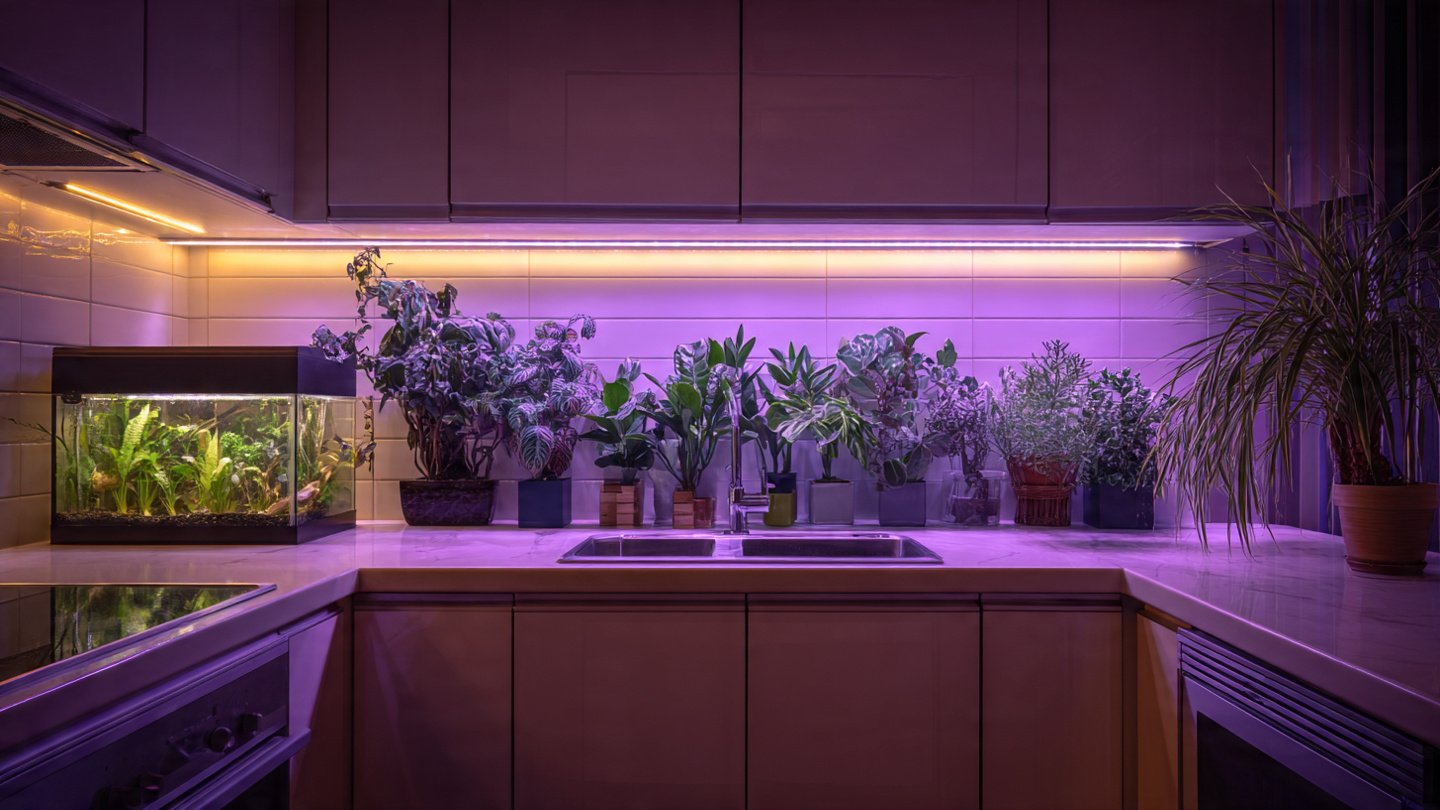
Indoor gardening has become increasingly popular, especially in kitchens where space is limited and fresh herbs, microgreens, and small plants are always within reach. Grow lights make it possible to cultivate plants indoors year-round, regardless of natural sunlight. But for many homeowners, a major concern is maintaining the aesthetic appeal of their kitchen. Installing grow lights discreetly under cabinets allows you to enjoy the benefits of indoor gardening without compromising style or functionality.
This guide explores effective ways to use grow lights under kitchen cabinets while keeping them subtle, practical, and visually pleasing.
Why Use Grow Lights in Your Kitchen?
Grow lights are essential for healthy plant growth indoors because they provide the light spectrum that plants need for photosynthesis. Kitchens, in particular, often have limited natural light due to small windows or shaded areas, making supplemental lighting critical.
Key advantages include:
- Year-round cultivation: Grow herbs, leafy greens, and microgreens even in winter.
- Convenience: Fresh herbs are always at your fingertips for cooking.
- Improved plant health: Proper light promotes strong roots, vibrant leaves, and better flavor.
- Aesthetic appeal: When installed discreetly, lights add a modern, stylish ambiance to your kitchen.
By integrating grow lights into your cabinets, you create a functional and visually appealing indoor garden.
Choosing the Right Grow Lights
Selecting the appropriate type of grow light is crucial for plant growth and ease of installation. Common options include:
- LED Grow Lights
- Energy-efficient, low-heat output
- Long-lasting and available in slim designs
- Can provide full-spectrum light for all plant stages
- Fluorescent Lights (T5 or T8 Tubes)
- Economical and easy to install
- Suitable for low to medium-light plants like herbs and lettuce
- Slightly bulkier than LEDs but still manageable under cabinets
- Puck Lights or Strip Lights
- Compact and sleek, ideal for discreet installation
- Provide focused illumination for small pots or trays
- Can be connected to dimmers or timers for convenience
When choosing grow lights, consider space, heat output, energy consumption, and the type of plants you intend to grow.
Determining the Ideal Placement
Proper placement ensures plants receive adequate light while keeping fixtures unobtrusive.
- Directly under the cabinet: Position lights 15–30 cm above plants for optimal growth.
- Even spacing: Ensure light covers all plants evenly to prevent uneven growth.
- Hidden positioning: Install lights at the back or under the cabinet edge to keep them out of direct view.
- Angle adjustment: Use adjustable fixtures or clips to direct light toward plants without casting shadows on countertops.
Effective placement maximizes plant health while maintaining a clean kitchen look.
Discreet Installation Techniques
There are several ways to install grow lights so they remain hidden yet effective:
1. Recessed Strip Lighting
- Install LED strips along the underside of cabinets, flush with the surface.
- These lights blend seamlessly with cabinetry, appearing like standard under-cabinet lighting.
- Full-spectrum LED strips provide sufficient light for herbs, microgreens, and small plants.
2. Puck Lights Hidden Behind Overhangs
- Place small, round LED puck lights toward the back of cabinets.
- They focus light directly onto plants while remaining mostly invisible from standing height.
- Puck lights are easy to connect in series and work well for rowed pots or seed trays.
3. Integrated Fixtures with Cover Panels
- Some LED panels come with slim covers or diffusers that match cabinet colors.
- Covers hide the light source while still allowing sufficient illumination.
- This method creates a sleek, professional appearance in the kitchen.
4. Motion-Activated or Timer-Controlled Lights
- Set lights on timers to turn on only during plant growth hours.
- Motion sensors ensure lights are used efficiently and don’t distract during regular kitchen use.
- Automated operation keeps the setup functional yet discreet.
By combining placement and installation techniques, you can maintain a minimalist aesthetic while supporting plant growth.
Managing Heat and Safety
Grow lights generate some heat, and improper installation can affect cabinets, plants, and safety:
- Low-heat LEDs: Choose LED lights that emit minimal heat, especially for small enclosed spaces.
- Avoid direct contact with plants: Keep lights 15–30 cm above leaves to prevent scorching.
- Secure wiring: Hide cords using cable channels or adhesive clips to prevent accidents.
- Moisture management: Ensure plants are in stable containers to avoid water dripping onto electrical components.
Prioritizing safety ensures your kitchen remains functional and your plants thrive.
Selecting Plants for Cabinet Grow Lights
Not all plants thrive under low, artificial lighting. Choose compact, shade-tolerant, or small-leaved plants that adapt well to under-cabinet conditions:
- Herbs: Basil, parsley, cilantro, thyme, and chives grow well with supplemental light.
- Leafy greens: Lettuce, spinach, arugula, and microgreens thrive in shallow containers.
- Small flowering plants: Mini orchids or African violets can flourish if light intensity is sufficient.
- Trailing plants: Pothos or small ferns add greenery without requiring much horizontal space.
Using appropriate plants ensures that the discreet grow lights support healthy growth and vibrant leaves.
Maintenance and Care Tips
Even with perfect installation, plants need attention to thrive under artificial lighting:
- Rotate plants: Ensure all parts of the plant receive equal light exposure.
- Monitor growth: Adjust light distance as plants grow taller.
- Clean lights and fixtures: Dust and grease from cooking can reduce light intensity.
- Use timers: Maintain consistent daily light cycles (10–14 hours for most edible greens).
- Nutrient management: Indoor plants often require regular feeding with water-soluble fertilizers.
Routine care ensures maximum growth and continuous harvest.
Combining Aesthetics and Functionality
Discreet grow lights under cabinets can double as general under-cabinet lighting when selected carefully:
- Choose warm or neutral white LEDs with full-spectrum capabilities.
- Conceal wiring in cable channels that match cabinet color.
- Use slim-profile fixtures to maintain clean lines.
- Position lights so they illuminate plants and countertops efficiently without glare.
This dual-purpose setup keeps your kitchen elegant while supporting indoor gardening.
Advantages of Under-Cabinet Grow Lights
- Fresh herbs and greens always accessible
- Year-round cultivation regardless of seasonal sunlight
- Space-saving solution for small kitchens
- Aesthetic integration without bulky fixtures
- Energy-efficient growth with LED technology
By discreetly installing grow lights, your kitchen can become a productive and stylish indoor garden.
Common Mistakes to Avoid
- Installing lights too close to leaves, causing burns
- Choosing insufficient light spectrum or intensity
- Ignoring water and humidity management
- Overcrowding plants under cabinets
- Forgetting to maintain timers and regular cleaning
Avoiding these mistakes ensures both plant health and kitchen safety.
Final Thoughts
Using grow lights discreetly under your kitchen cabinets is an innovative way to bring indoor gardening into your home without compromising style. With careful selection of fixtures, proper placement, and attention to plant needs, you can cultivate herbs, microgreens, and small ornamental plants year-round.
This setup not only improves your kitchen’s functionality and aesthetic but also provides fresh, nutritious ingredients at your fingertips. By integrating thoughtful lighting, safe installation, and regular maintenance, your under-cabinet garden can thrive quietly and elegantly, making your kitchen both beautiful and productive.