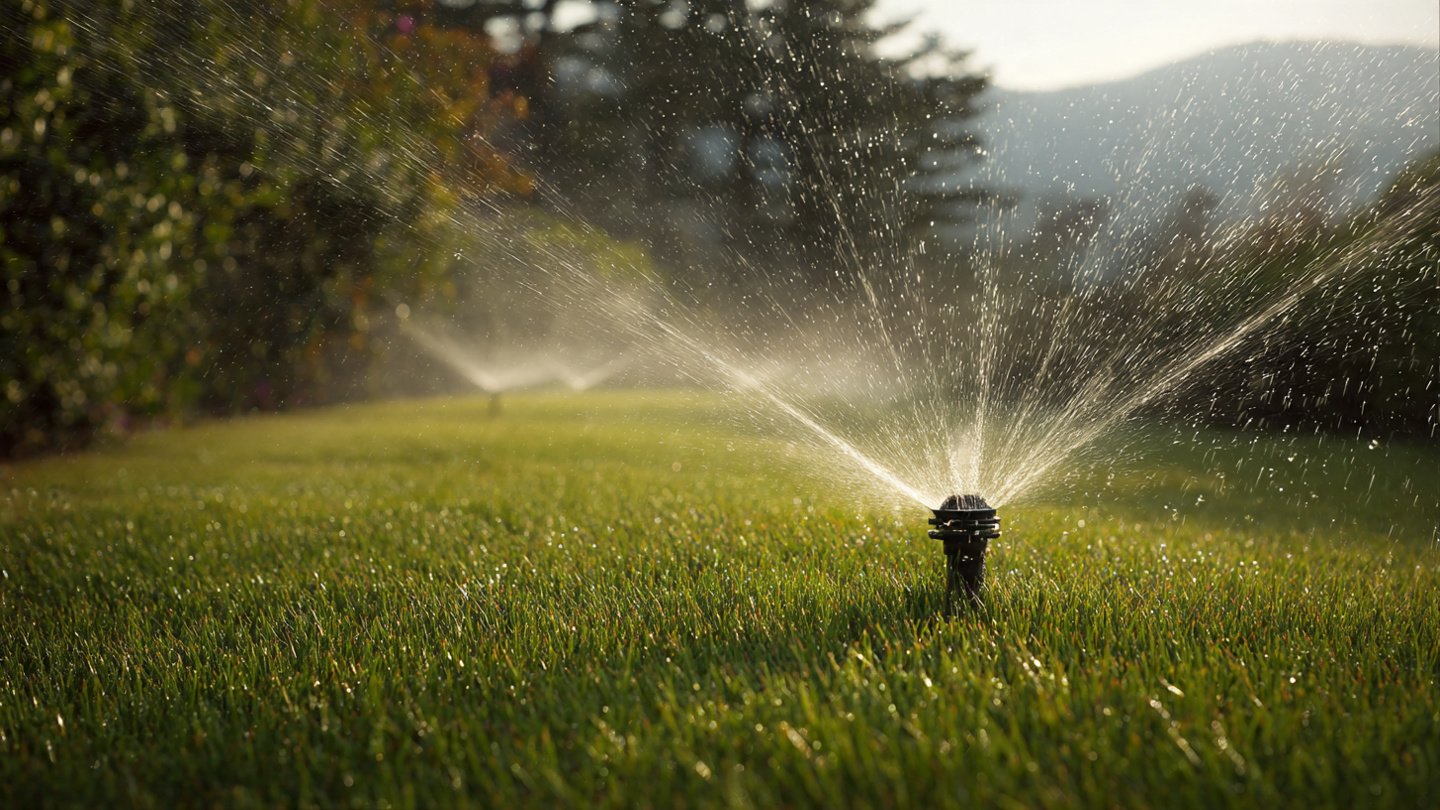
Maintaining a lush, green lawn requires consistent watering, careful attention to soil, and proper lawn care practices. For many homeowners, hand-watering with a hose can be time-consuming, uneven, and often inefficient. A garden sprinkler offers a practical solution, transforming the way you care for your lawn by providing consistent, even coverage and saving both time and effort.
In this article, we explore how a garden sprinkler can revolutionize your lawn care routine, the types of sprinklers available, best practices for optimal use, and additional benefits that extend beyond simply watering your grass.
Why Consistent Watering Matters
Healthy lawns depend on regular, uniform watering. Uneven watering or missed spots can lead to dry patches, weak roots, and stressed grass, leaving your lawn looking patchy and dull.
A garden sprinkler helps maintain consistent moisture levels, which:
- Encourages deep root growth, making your lawn more drought-resistant
- Prevents dry spots or overwatered areas
- Supports healthy, vibrant grass color and density
- Reduces stress on plants during hot, dry periods
With proper use, sprinklers ensure every corner of your lawn receives the right amount of water, helping your grass thrive year-round.
How a Garden Sprinkler Saves Time and Effort
Manual watering can take hours for medium to large lawns, and it often requires frequent adjustments. Sprinklers automate this process:
- Covers large areas quickly and efficiently
- Reduces the need for constant supervision
- Frees up time for other lawn care activities like mowing or fertilizing
- Reduces physical strain associated with dragging hoses and watering manually
By simplifying the watering process, sprinklers make lawn care more manageable and less stressful for homeowners.
Types of Garden Sprinklers
Different types of sprinklers cater to various lawn sizes, shapes, and watering needs.
1. Oscillating Sprinklers
- Move back and forth in a rectangular pattern
- Ideal for medium-sized lawns and garden beds
- Adjustable spray width and length for targeted coverage
2. Rotating or Rotary Sprinklers
- Rotate in a circular or semi-circular motion
- Suitable for large lawns and open spaces
- Provides uniform coverage over a wide area
3. Stationary Sprinklers
- Fixed position with multiple spray nozzles
- Best for small or irregularly shaped areas
- Simple and budget-friendly option
4. Impact Sprinklers
- Often used in professional landscaping or large lawns
- Provide strong water pressure and wide coverage
- Durable and adjustable for radius and arc
Choosing the right sprinkler depends on your lawn size, layout, and water supply.
Best Practices for Using a Garden Sprinkler
Proper use ensures optimal lawn health and efficient water usage:
1. Water Early in the Morning
- Reduces evaporation and water loss
- Allows grass to dry before evening, minimizing fungal growth
2. Water Deeply but Less Frequently
- Encourages deeper root systems
- Avoids shallow watering, which leads to weak, stressed grass
3. Adjust Sprinkler Position
- Ensure overlapping coverage for uniform watering
- Avoid watering sidewalks, driveways, or non-grassy areas
4. Monitor Soil Moisture
- Check soil regularly to avoid overwatering
- Use a soil probe or simply dig 1–2 inches to inspect moisture levels
5. Clean and Maintain Sprinklers
- Remove debris from nozzles to prevent clogs
- Inspect hoses, joints, and timers for leaks or malfunctions
- Proper maintenance extends the life of your sprinkler system
Following these practices ensures efficient watering and a healthy, lush lawn.
Water Conservation Benefits
Using a garden sprinkler can help conserve water when used effectively:
- Timers and programmable sprinklers provide precise water schedules
- Adjusting spray patterns minimizes runoff
- Targeted watering reduces unnecessary waste on non-grassy areas
- Early morning watering reduces evaporation and water loss
Smart sprinkler use supports eco-friendly lawn care while maintaining a vibrant yard.
Additional Benefits Beyond Watering
A garden sprinkler offers advantages beyond keeping grass green:
- Even Fertilizer Application: Sprinklers can help water-in granular fertilizers, ensuring nutrients penetrate the soil evenly.
- Dust Control: Regular watering reduces dust on dry lawns, especially in hot climates.
- Plant and Garden Care: Sprinklers can also irrigate flower beds, shrubs, and vegetable gardens with consistent moisture.
- Improved Lawn Aesthetics: A well-watered lawn resists weeds, maintains uniform color, and enhances the overall appeal of your garden.
Investing in a sprinkler system provides multifunctional benefits for your entire outdoor space.
Choosing the Right Sprinkler System for Your Lawn
When selecting a sprinkler, consider:
- Lawn Size and Shape: Rectangular, circular, or irregular lawns require different sprinkler types.
- Water Pressure: Ensure your home water system can support the chosen sprinkler.
- Automation Needs: Timers and smart systems allow hands-off watering.
- Durability and Materials: Metal and high-quality plastic models last longer.
Proper selection ensures maximum efficiency and reduces maintenance challenges.
Integrating Sprinklers Into Your Lawn Care Routine
A garden sprinkler works best when combined with other lawn care practices:
- Mowing: Keep grass at an optimal height to retain soil moisture.
- Fertilizing: Water-in nutrients evenly for better absorption.
- Aeration: Sprinklers complement aeration by helping water penetrate compacted soil.
- Weed Control: Consistent watering strengthens grass, reducing space for weeds to grow.
Using sprinklers as part of a comprehensive lawn care plan ensures a healthier, more resilient lawn.
Common Mistakes to Avoid
- Overwatering: Can lead to fungal diseases, shallow roots, and water waste.
- Incorrect Sprinkler Placement: Leaves dry spots or waterlogged areas.
- Neglecting Maintenance: Clogged nozzles and leaks reduce efficiency.
- Ignoring Lawn Needs: Different grass types and climates require tailored watering schedules.
Avoiding these mistakes maximizes the benefits of your sprinkler and promotes long-term lawn health.
Final Thoughts
A garden sprinkler can completely transform your lawn care routine by making watering more efficient, uniform, and less labor-intensive. Beyond saving time, sprinklers promote deeper root growth, maintain consistent moisture levels, and contribute to a healthier, greener lawn. When combined with proper fertilization, mowing, and pest management, a sprinkler system elevates the overall appearance and health of your garden.
Whether you have a small backyard or a large lawn, incorporating a well-chosen garden sprinkler into your routine can save time, conserve water, and help you achieve a vibrant, lush yard that becomes the pride of your home. With the right techniques, maintenance, and watering schedule, your lawn can thrive effortlessly while giving you more time to enjoy your outdoor space.