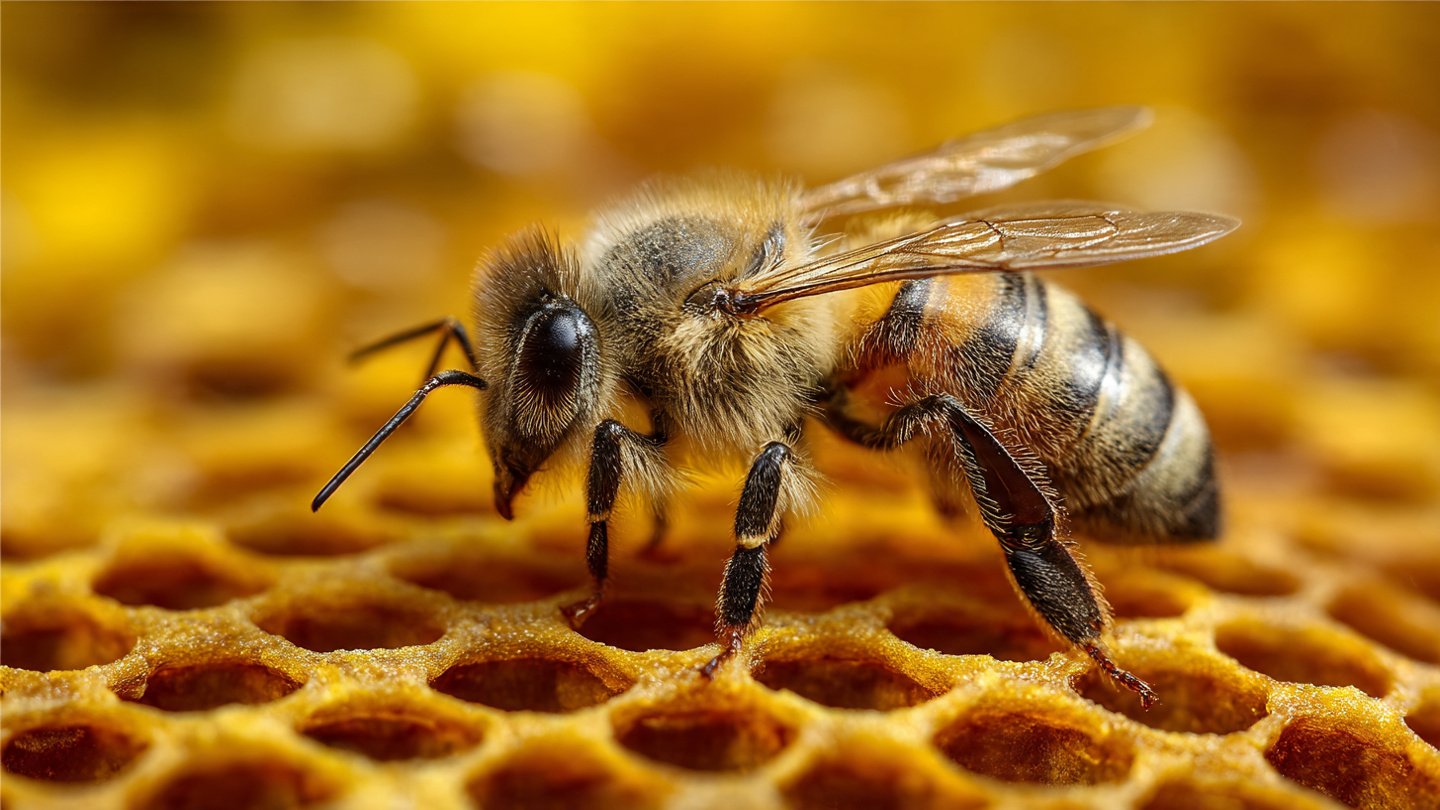
A thriving garden is more than just fertile soil, water, and sunlight—it also depends on one of nature’s most important helpers: pollinators. Among them, honeybees play a vital role in ensuring your fruit, vegetables, and flowers flourish. Introducing a beehive into your garden can dramatically enhance pollination, improve crop yields, and create a healthier ecosystem. But how exactly does a beehive contribute to garden productivity, and what are the benefits of keeping bees at home? This guide explains the science behind pollination, the impact of beehives on fruit-bearing plants, and how to successfully integrate beekeeping into your garden.
Understanding Pollination and Its Importance
Pollination is the process of transferring pollen from the male part of a flower (stamens) to the female part (pistils), enabling fertilization and fruit development. Without pollination, many plants cannot produce seeds, fruits, or vegetables efficiently. While some plants rely on wind or self-pollination, most fruit-bearing trees, berries, and vegetables depend on insects, particularly bees, for effective pollination.
Honeybees are among the most efficient pollinators because:
- They visit multiple flowers daily in search of nectar.
- Their bodies collect pollen naturally due to their fuzzy hairs.
- They exhibit flower fidelity, returning to the same type of flower in a single foraging trip.
A healthy bee population in your garden ensures consistent, high-quality pollination, directly impacting fruit size, flavor, and quantity.
Benefits of a Beehive in Your Garden
- Enhanced Fruit Yields: Bees improve fertilization rates, resulting in more abundant and evenly developed fruits. Crops like apples, pears, cherries, blueberries, and cucumbers show a marked increase in yield when bees are present.
- Improved Fruit Quality: Pollinated flowers produce larger, sweeter, and more uniform fruits. For instance, tomatoes and strawberries that are thoroughly pollinated often have better shape and fewer deformities.
- Extended Harvest: Bees facilitate multiple rounds of pollination during flowering, extending the period during which plants produce viable fruits.
- Support for Vegetables and Herbs: Peppers, squash, cucumbers, and herbs like basil and cilantro benefit from insect pollination, resulting in more robust yields.
- Biodiversity and Ecosystem Health: A beehive attracts other beneficial insects, birds, and wildlife, creating a balanced ecosystem that reduces pests naturally.
- Honey Production: Beyond pollination, a beehive provides honey, beeswax, and propolis, adding value and sustainability to your garden.
Choosing the Right Location for Your Beehive
The success of a beehive depends on careful placement in your garden:
- Sunlight: Place the hive in a sunny spot, ideally facing southeast to capture morning sunlight, which encourages early bee activity.
- Shelter: Protect the hive from strong winds and heavy rain. Natural barriers or garden structures can help.
- Accessibility: Ensure you can easily access the hive for maintenance, inspections, and honey harvesting.
- Proximity to Flowers: Position the hive near flowering plants and fruit trees for optimal foraging without overcrowding.
- Water Source: Bees need clean water. Provide a shallow water dish with stones or floating materials so they can land safely while drinking.
Types of Beehives for Home Gardens
Several beehive designs are suitable for home gardens:
- Langstroth Hive: A popular modular hive with removable frames for honey harvesting and management. Ideal for small to medium-sized gardens.
- Top-Bar Hive: A simpler design with horizontal bars where bees build comb naturally. Low maintenance and suitable for beginners.
- Warre Hive: Vertical, stacked design emphasizing natural bee behavior. Produces honey without extensive intervention.
Choose a hive based on your gardening goals, available space, and willingness to manage bees. Beginners often start with a Langstroth or top-bar hive due to ease of use and accessibility.
Integrating Bees into Your Garden
Introducing bees into your garden requires preparation and ongoing care:
- Plant Pollinator-Friendly Flowers: Grow a mix of early, mid, and late-blooming plants to provide nectar and pollen throughout the season. Examples include lavender, sunflowers, marigolds, clover, and fruit blossoms.
- Avoid Pesticides: Chemical sprays can harm bees. Opt for organic pest control, beneficial insects, or companion planting to manage pests safely.
- Provide Nesting Materials: Wildflowers, shrubs, and undisturbed garden corners offer natural nesting options for native bees, complementing your hive.
- Regular Hive Inspections: Monitor for diseases, pests, and queen health. Proper hive management ensures a thriving colony that supports your garden.
Pollination Timing and Techniques
Understanding the flowering period of your plants allows bees to maximize pollination:
- Flowering Peaks: Most fruit trees bloom in spring, while vegetables and herbs flower throughout the summer. Coordinate hive activity with these periods.
- Encourage Hive Activity: Ensure the hive is active before peak flowering. Feeding bees sugar syrup early in the season can boost colony strength.
- Manual Assistance: While bees do most of the work, hand pollination with a brush or electric pollinator can help in smaller or indoor gardens.
Common Challenges and How to Overcome Them
Even with a beehive, gardeners may face challenges:
- Swarming: Healthy colonies may swarm, reducing bee numbers. Prevent this with regular inspections and hive splitting if necessary.
- Pests and Diseases: Varroa mites, wax moths, and fungal infections can threaten hives. Use integrated pest management strategies to protect your bees.
- Space Constraints: Ensure your garden can accommodate the hive safely without crowding human activity or pets.
- Weather Dependence: Bees forage only in favorable weather. Planting a variety of flowers ensures continuous food sources during brief foraging periods.
Additional Benefits of Beekeeping
Beyond pollination, maintaining a beehive offers:
- Educational Opportunities: Learn about bee biology, colony dynamics, and ecosystem interactions.
- Therapeutic Gardening: Beekeeping encourages mindfulness and connection with nature.
- Sustainability: Supporting bee populations contributes to overall environmental health and biodiversity.
- Natural Products: Honey, beeswax, and propolis can be used in cooking, skincare, and household products.
Tips for Maximizing Garden Pollination
- Plant a variety of flowering plants to provide continuous nectar.
- Space crops and flowers to encourage efficient bee foraging.
- Maintain hive health with regular inspections and supplemental feeding if necessary.
- Avoid using synthetic pesticides, especially during flowering.
- Consider companion planting to attract additional pollinators such as bumblebees, butterflies, and hoverflies.
Conclusion
A beehive is more than a home for honeybees—it’s a tool for unlocking your garden’s full potential. By enhancing pollination, bees improve fruit and vegetable yields, promote healthier plant growth, and contribute to a balanced, thriving ecosystem. Integrating a hive into your garden provides a continuous cycle of benefits: abundant harvests, natural biodiversity, and even honey for your kitchen. With thoughtful placement, supportive planting, and responsible hive management, anyone can transform their garden into a pollinator-friendly haven.
By harnessing the power of bees, gardeners gain a natural, sustainable way to maximize productivity, improve fruit quality, and enjoy the satisfaction of watching both plants and pollinators thrive together. In short, a thriving garden often begins with a healthy beehive.