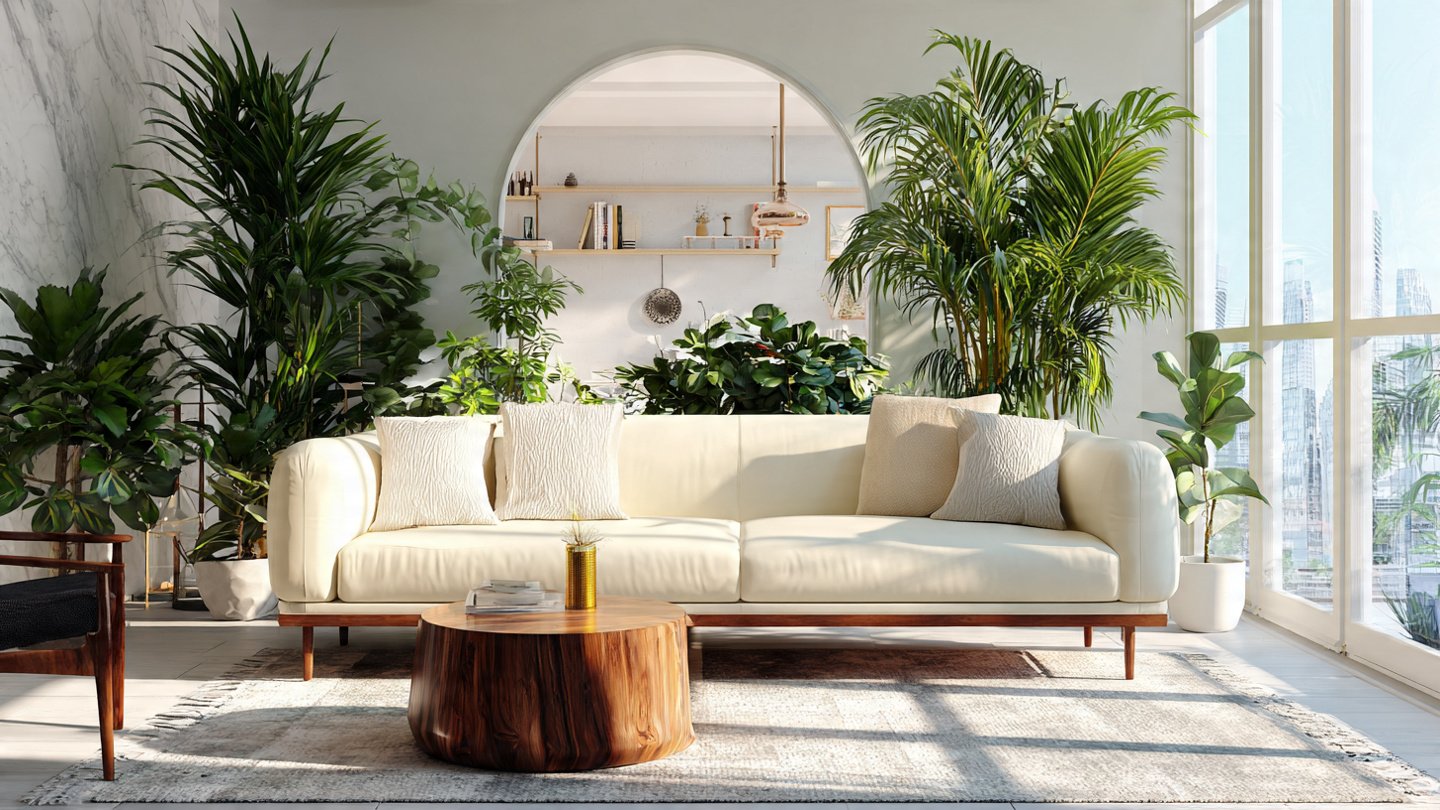
In today’s fast-paced world, modern interior design emphasizes simplicity, clean lines, and functional elegance. One emerging trend that has captured the attention of interior designers and homeowners alike is the incorporation of minimalist greenery into living spaces. Minimalist plants—those with clean forms, simple foliage, and restrained presence—offer a unique way to bring life, texture, and a sense of calm to modern living rooms. But can a few carefully chosen plants really elevate the style of your space? The answer is a resounding yes.
This article explores how minimalist greenery can enhance your modern living room, the best plant choices, design principles, and tips to achieve a harmonious balance between nature and contemporary decor.
The Appeal of Minimalist Greenery in Modern Interiors
Minimalist greenery is more than just decoration; it’s a design statement:
- Simplicity: Minimalist plants complement the clean lines and uncluttered spaces characteristic of modern living rooms.
- Focus on form: The aesthetic appeal of these plants comes from their shape, structure, and foliage rather than flashy blooms.
- Calming effect: Greenery introduces natural textures and colors that create a sense of tranquility.
- Air purification: Many indoor plants improve air quality, contributing to a healthier living environment.
- Flexibility: Minimalist greenery integrates seamlessly with various color palettes and materials, from metal and concrete to wood and glass.
By incorporating these understated plants, you can elevate the atmosphere of your living room without overwhelming the existing décor.
Choosing the Right Plants for a Minimalist Look
Selecting plants that align with minimalist aesthetics is key to achieving a sophisticated style:
1. Structural Plants
- Snake plant (Sansevieria): Tall, upright leaves create a bold, vertical statement without occupying much floor space.
- Fiddle leaf fig (Ficus lyrata): Large, sculptural leaves add drama while maintaining simplicity.
- Monstera deliciosa: Elegant split leaves provide texture and interest while adhering to a clean aesthetic.
2. Compact or Low-Growing Plants
- Succulents and cacti: Perfect for small tables or shelves; they require minimal care and add architectural appeal.
- ZZ plant (Zamioculcas zamiifolia): Glossy, upright leaves suit minimalist interiors and thrive in low light.
- Pothos: Trailing vines can be trained along shelves or hanging planters, providing greenery without clutter.
3. Statement Containers
Minimalist greenery relies on sleek, modern containers:
- Neutral-colored pots in white, black, or gray
- Concrete or ceramic planters with geometric shapes
- Hanging glass or metal containers to save floor space
Choosing the right container enhances the minimalist aesthetic while complementing the plant’s form.
Placement Strategies for Maximum Impact
How you position your plants can transform the look and feel of a modern living room:
- Corners: Tall, vertical plants fill empty corners, adding height and balance.
- Coffee tables or side tables: Small succulents or bonsai add subtle touches of greenery without overwhelming the space.
- Shelves and wall-mounted planters: Trailing plants soften hard lines and add depth to minimalist shelving.
- Near natural light sources: Placing plants near windows ensures healthy growth while creating a visually appealing focal point.
Strategic placement ensures your plants enhance the room without creating clutter or visual chaos.
The Psychology of Greenery in Modern Living Rooms
Minimalist greenery not only looks good but also positively affects mental well-being:
- Stress reduction: Exposure to plants has been shown to reduce stress and improve mood.
- Increased focus: Natural elements enhance concentration and productivity, particularly in living spaces that double as work areas.
- Connection to nature: Greenery introduces a sense of calm and connection to the outdoors, which is especially valuable in urban environments.
- Visual balance: The color green complements neutral modern palettes, softening stark interiors and creating a soothing ambiance.
By considering both aesthetics and psychology, you can use minimalist greenery to cultivate a harmonious living space.
Design Principles for Minimalist Greenery Integration
To maximize the impact of plants in a modern living room, follow these core design principles:
1. Less Is More
Minimalist design thrives on simplicity. Select a few well-chosen plants rather than overcrowding the room. Focus on quality, form, and placement to make a meaningful visual statement.
2. Emphasize Verticality
Tall, slender plants like snake plants, fiddle leaf figs, or bamboo palms draw the eye upward, creating a sense of spaciousness. Verticality adds elegance without requiring additional floor space.
3. Use Repetition for Cohesion
Repeating a particular plant or container style throughout the room creates harmony and visual rhythm. For example, multiple small succulents on a shelf or matching planters in corners unify the design.
4. Play with Texture
Minimalist greenery doesn’t rely on bright colors or flowers; instead, focus on leaf shapes, textures, and growth patterns. Glossy, matte, spiky, or soft foliage adds visual interest while maintaining a clean aesthetic.
5. Integrate with Furniture and Materials
Choose plant containers and placement that complement existing furniture, lighting, and surfaces. Metal, glass, concrete, and wood all pair beautifully with minimalist greenery, creating a seamless integration.
Seasonal Care for Indoor Minimalist Plants
Maintaining plant health ensures they continue to elevate your living room:
- Lighting: Most modern interiors rely on indirect light; select low-light-tolerant species if sunlight is limited.
- Watering: Avoid overwatering; succulent-based and drought-tolerant plants require less frequent care.
- Pruning: Trim dead or yellowing leaves to maintain a clean and intentional look.
- Fertilization: Use mild, balanced fertilizer during the growing season to encourage healthy growth.
- Rotation: Rotate plants periodically to ensure even light exposure and balanced growth.
Proper care ensures plants remain vibrant and contribute positively to your minimalist décor.
Common Mistakes to Avoid
- Overcrowding: Adding too many plants can disrupt the minimalist aesthetic.
- Neglecting light requirements: Plants placed in insufficient light will struggle, reducing visual appeal.
- Mismatched containers: Using overly ornate pots can clash with the minimalist design principle.
- Ignoring maintenance: Dead leaves or wilted plants detract from a modern, polished look.
Avoiding these mistakes ensures that your greenery enhances rather than detracts from your living room design.
Beyond Aesthetics: Functional Benefits
Minimalist greenery offers more than style—it also brings functional advantages:
- Improved air quality: Plants absorb carbon dioxide and pollutants while releasing oxygen, improving indoor air quality.
- Noise reduction: Some plants can absorb sound, reducing echo and creating a calmer environment.
- Temperature regulation: Plants can help regulate humidity and temperature, making the living space more comfortable.
- Well-being boost: The presence of greenery contributes to a sense of relaxation and enhances overall quality of life.
These benefits make minimalist greenery both a visual and functional addition to modern living rooms.
Final Thoughts
Minimalist greenery is a simple yet powerful way to elevate the style of your modern living room. By choosing the right plants, containers, and placement, you can transform a stark, neutral space into a vibrant, calming, and visually appealing environment. Minimalist plants not only enhance aesthetics but also provide functional benefits such as improved air quality, stress reduction, and a connection to nature.
Whether you are decorating a small apartment or a spacious contemporary home, integrating carefully selected greenery into your modern living room offers timeless beauty, balance, and a touch of natural elegance. By following design principles, maintaining proper care, and embracing the “less is more” philosophy, your living room can become both a stylish and serene sanctuary where modern design and nature coexist harmoniously.