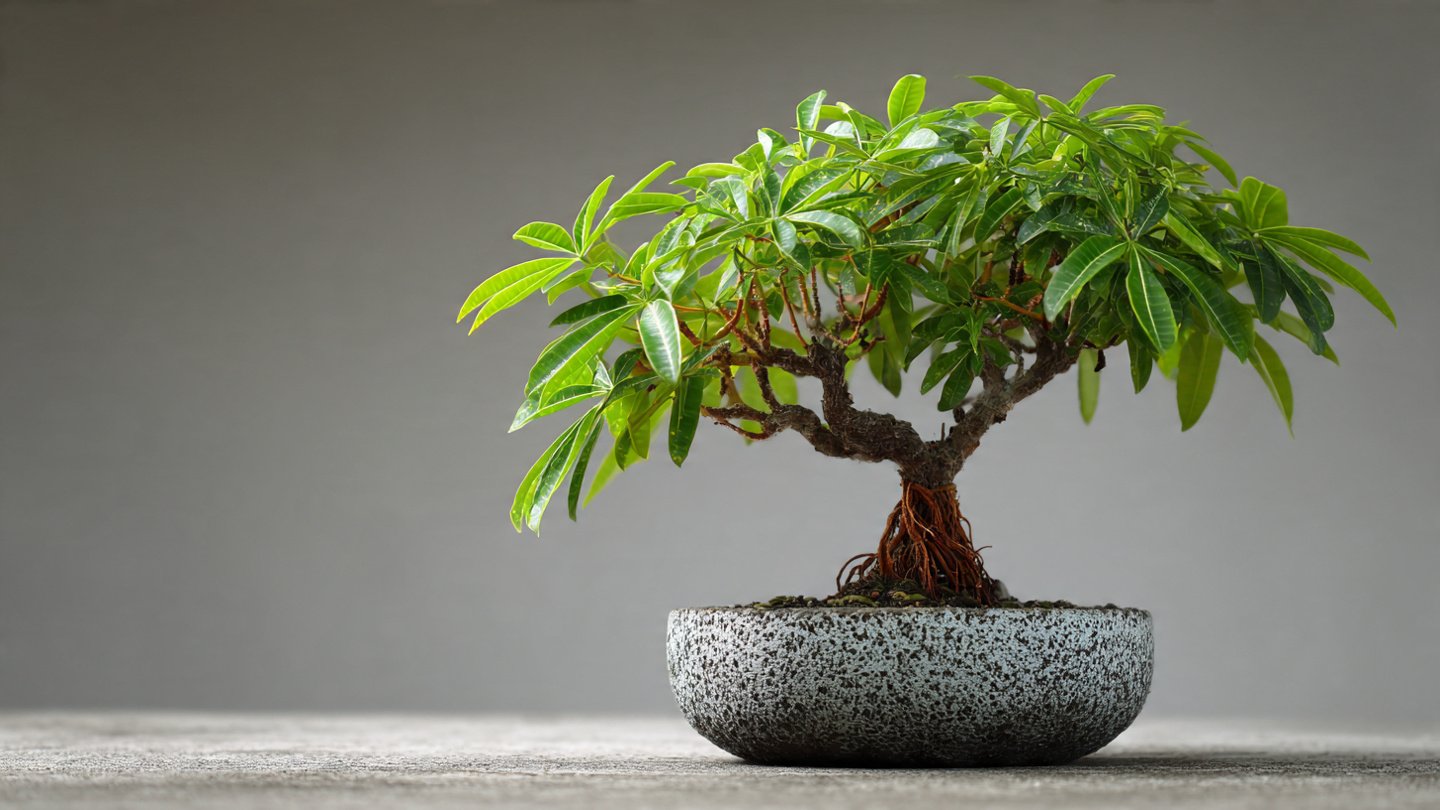
The Money Tree (Pachira aquatica) is a beloved houseplant known for its braided trunk, glossy green leaves, and reputation as a symbol of luck and prosperity. While it is relatively low-maintenance, one of the most common challenges plant owners face is keeping their Money Tree healthy indoors. A key factor that often goes overlooked is humidity. Understanding why this tropical plant craves higher humidity and how to provide the right conditions can make the difference between a thriving Money Tree and one that struggles with yellowing leaves, drooping foliage, or stunted growth.
This guide explores the importance of humidity for Money Trees, how low indoor humidity affects their health, and practical strategies to maintain ideal moisture levels for optimal growth and vitality.
Why Money Trees Require High Humidity
Native to Central and South America, Money Trees naturally grow in tropical swamps and wetlands. They are accustomed to warm temperatures and high humidity levels, often exceeding 60–80%. In these environments, moisture is abundant, air circulation is gentle, and the plant thrives with minimal stress.
Indoors, however, humidity levels in homes—especially during winter months when heating systems are in use—can drop to 20–30%. This low-humidity environment is far below the plant’s natural conditions, which can lead to several physiological challenges:
- Reduced transpiration: Low humidity slows down the plant’s ability to release water vapor, affecting nutrient transport.
- Leaf stress: The foliage may dry out, curl, or develop brown tips due to insufficient moisture in the air.
- Stunted growth: Without adequate humidity, the plant cannot fully expand new leaves or produce vibrant growth.
- Pest susceptibility: Dry environments attract spider mites and other pests that thrive in low moisture conditions.
By providing higher humidity, you replicate the Money Tree’s natural environment, promoting healthy growth, lush leaves, and strong overall resilience.
Signs Your Money Tree Needs Higher Humidity
Recognizing the symptoms of low humidity is essential for timely intervention. Common signs include:
- Brown leaf tips and edges – A classic sign that the air is too dry.
- Leaf curling or wilting – Leaves may appear shriveled or droopy.
- Slow growth – The plant produces fewer new leaves or the leaves remain smaller than usual.
- Crispy leaf texture – Leaves may feel dry or papery to the touch.
- Increased pest activity – Spider mites and aphids are more likely to infest stressed plants.
Monitoring your Money Tree for these signs allows you to adjust its environment before damage becomes severe.
Maintaining Optimal Humidity for Money Trees
1. Humidity Levels
- Ideal range: 50–70% relative humidity is optimal for indoor Money Trees.
- Minimum threshold: Anything below 40% can stress the plant over time.
- Monitoring: Use a hygrometer to track humidity levels near your plant, especially during winter or in air-conditioned rooms.
Maintaining consistent humidity ensures stable growth and reduces the risk of leaf damage.
2. Misting
- Frequency: Lightly mist the leaves 2–3 times a week, more frequently in dry conditions.
- Method: Use a fine spray bottle to coat leaves evenly without waterlogging.
- Timing: Mist early in the day to allow moisture to evaporate, preventing fungal issues.
Misting provides temporary humidity and helps replicate tropical conditions for short periods.
3. Humidity Trays
- Place a shallow tray filled with water and pebbles beneath the Money Tree pot.
- As water evaporates, it raises humidity around the plant without soaking roots.
- Ensure the pot sits on the pebbles, not directly in water, to prevent root rot.
Humidity trays are a simple and effective method to maintain localized moisture.
4. Grouping Plants
- Grouping multiple houseplants together creates a microenvironment with higher humidity.
- Plants release water vapor through transpiration, benefiting one another.
- Combine leafy tropical plants like ferns, peace lilies, or philodendrons for enhanced humidity.
Plant clusters mimic the natural tropical ecosystem, supporting healthy growth.
5. Indoor Humidifiers
- Portable humidifiers: Increase ambient humidity throughout the room.
- Cool mist humidifiers: Ideal for tropical plants as they do not raise room temperature excessively.
- Placement: Position the humidifier near the Money Tree but avoid directly blowing mist onto leaves to prevent fungal growth.
Humidifiers offer consistent humidity for long-term plant health, especially in dry climates or during heating season.
Additional Care Tips for Thriving Money Trees
While humidity is crucial, other factors contribute to overall plant health:
- Lighting: Bright, indirect sunlight is ideal. Avoid direct sun, which can scorch leaves.
- Watering: Water when the top 2–3 cm of soil feels dry, and ensure proper drainage.
- Temperature: Maintain a consistent range of 18–24°C, avoiding cold drafts.
- Soil: Use a well-draining, peat-based potting mix to retain moisture without waterlogging.
- Fertilization: Feed with a balanced houseplant fertilizer every 4–6 weeks during the growing season to encourage strong foliage.
Combined with high humidity, these practices ensure vigorous growth and resilience.
Common Mistakes to Avoid
- Overwatering: While humidity is important, standing water in the soil can lead to root rot.
- Dry air neglect: Relying solely on indoor moisture without supplemental methods can stress the plant.
- Poor airflow: High humidity without airflow can promote fungal diseases.
- Direct misting at night: Misting in the evening can encourage mold if leaves remain wet overnight.
- Ignoring environmental changes: Heating, air conditioning, or winter weather can drastically reduce humidity levels.
Avoiding these mistakes creates a balanced environment that supports healthy leaves and steady growth.
Benefits of Providing High Humidity
- Lush, glossy foliage: Leaves are vibrant, fully expanded, and free of brown tips.
- Enhanced growth: The plant produces more new leaves and develops a strong braided trunk.
- Reduced stress: Plants are more resilient to pests and environmental fluctuations.
- Aesthetic appeal: A healthy Money Tree enhances interior décor with its glossy, tropical look.
- Long lifespan: Consistently high humidity supports a thriving plant for years.
High humidity is a simple but powerful factor that maximizes both the health and beauty of your Money Tree.
Final Thoughts
A Money Tree’s preference for higher humidity is rooted in its tropical origin, where moisture is abundant and air conditions are stable. Indoors, replicating these conditions requires awareness, care, and practical interventions. Whether through misting, humidity trays, plant grouping, or a room humidifier, maintaining the right humidity level can prevent leaf damage, promote vigorous growth, and even enhance the symbolic “luck” associated with this popular houseplant.
By combining humidity management with proper watering, lighting, and nutrition, you create an environment where your Money Tree can truly flourish. Understanding and responding to the plant’s moisture needs not only keeps it healthy but also ensures it remains a beautiful, vibrant addition to your indoor space for many years.