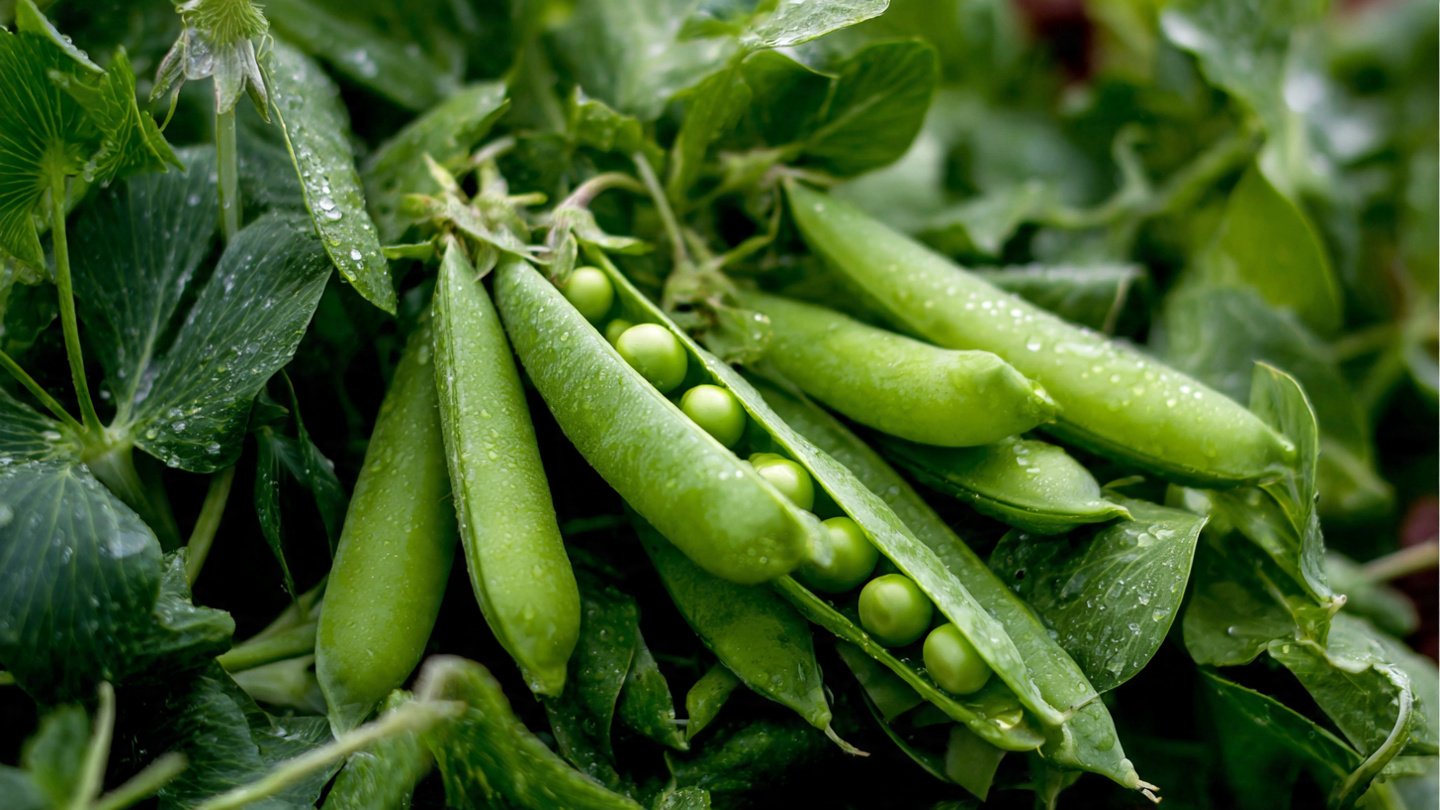
Peas are a classic garden favorite, celebrated for their sweet flavor, crisp texture, and nutritional benefits. Incorporating freshly harvested peas into your salads not only elevates taste but also ensures that you enjoy the maximum freshness and nutrients that store-bought options often lack. Growing your own peas at home is easier than many gardeners assume, and it can be a highly rewarding experience, both for beginners and experienced gardeners. With the right techniques, soil preparation, and care, you can enjoy a steady supply of fresh peas for salads, stir-fries, and other dishes throughout the season. This guide provides step-by-step instructions on how to grow peas successfully for homegrown garden salads.
Why Grow Your Own Peas?
Growing peas at home comes with several benefits:
- Freshness and Flavor: Homegrown peas are sweeter and more tender than store-bought varieties, which often lose flavor during transport.
- Nutritional Value: Peas are rich in protein, fiber, vitamins A, C, K, and minerals such as iron and magnesium. Eating them fresh maximizes these nutrients.
- Cost-Effective: Once established, pea plants produce abundant pods, making them a budget-friendly crop.
- Garden-Friendly: Peas are nitrogen-fixing plants, improving soil fertility for other crops.
- Easy to Grow: Peas are hardy, adaptable, and well-suited for small garden spaces, raised beds, or even containers.
Choosing the Right Pea Varieties
The first step to a successful pea harvest is selecting the right variety for your garden and salad preferences. Peas can be categorized into three main types:
- Shelling Peas (English Peas): Sweet peas with inedible pods. Seeds are removed from the pod for consumption.
- Snap Peas: Both the pod and seeds are edible, offering a crunchy texture ideal for salads.
- Snow Peas: Flat, tender pods eaten whole, perfect for stir-fries and fresh salads.
For garden salads, snap peas and snow peas are ideal because you can eat the pods along with the seeds, reducing preparation time and maximizing freshness.
Preparing the Soil
Peas thrive in loose, well-draining soil with a slightly acidic to neutral pH (6.0–7.0). Soil preparation is crucial for a healthy and productive crop:
- Soil Enrichment: Incorporate compost or well-rotted manure to improve fertility and structure. Peas fix nitrogen naturally, but an initial boost helps young plants establish quickly.
- Soil Texture: Avoid heavy clay soils that retain water, as peas are susceptible to root rot. Loosen soil to a depth of 6–8 inches to allow roots to grow freely.
- Raised Beds: Ideal for peas, especially in areas with poor drainage, raised beds ensure consistent moisture and airflow.
Planting Peas
Peas are cool-season crops, preferring mild temperatures between 10–20°C. They can be planted in early spring as soon as the soil is workable, or in late summer for a fall harvest in cooler climates.
Step-by-Step Planting Instructions:
- Seed Preparation: Soak seeds in water for 8–12 hours before planting to improve germination rates.
- Spacing: Plant seeds 1–2 inches apart and 1 inch deep in rows spaced 18–24 inches apart. This ensures proper airflow and prevents overcrowding.
- Support Structures: Many pea varieties are climbers. Install trellises, netting, or stakes at planting time to allow vines to grow upward, saving space and reducing disease risk.
Watering and Mulching
Peas require consistent moisture for optimal growth:
- Watering: Keep the soil evenly moist, particularly during flowering and pod formation. Avoid waterlogging, as it can damage roots.
- Mulching: Apply straw, compost, or leaf mulch around the base of plants. Mulching helps retain moisture, regulate soil temperature, and suppress weeds.
Fertilization
Peas generally need minimal fertilizer due to their nitrogen-fixing ability, but they may benefit from a light feeding during early growth:
- Starter Fertilizer: A balanced, low-nitrogen fertilizer can help seedlings establish.
- Avoid Excess Nitrogen: Too much nitrogen encourages leafy growth at the expense of pod production.
Managing Growth and Supports
Climbing pea varieties require support for vertical growth:
- Trellising: Netting or bamboo stakes help vines grow upward, improving airflow and reducing fungal issues.
- Pruning: Pinch back excess growth to focus energy on flowering and pod production.
- Spacing: Avoid overcrowding to prevent disease and ensure adequate sunlight for all plants.
Pollination and Flowering
Peas are largely self-pollinating, meaning they do not require insects for fruit set, though pollinators can improve yields. Each flower produces one pod, so healthy flowering is essential for a productive harvest. Ensure:
- Adequate sunlight for flower development.
- Consistent watering to support flower and pod growth.
Pest and Disease Management
Even hardy peas can encounter pests and diseases:
- Common Pests: Aphids, pea weevils, and slugs. Handpick pests or use organic insecticidal sprays if infestations occur.
- Diseases: Powdery mildew and root rot can affect peas. Prevent issues by ensuring good airflow, avoiding overhead watering, and planting disease-resistant varieties.
- Companion Planting: Plant peas alongside carrots, radishes, or cucumbers to naturally repel pests and enhance growth.
Harvesting Peas
Harvest timing is crucial for sweet, tender peas:
- Shelling Peas: Pick when pods are full but still bright green.
- Snap Peas: Harvest when pods are plump but still tender.
- Snow Peas: Pick flat pods before seeds swell.
- Frequency: Regular harvesting every 2–3 days encourages continuous production throughout the season.
Freshly harvested peas are best eaten immediately, as sugars convert to starch quickly after picking.
Incorporating Peas into Garden Salads
Homegrown peas can transform salads with their natural sweetness, crunch, and color. Popular uses include:
- Raw Salads: Snap peas and snow peas add crisp texture to mixed greens.
- Protein Boost: Peas provide plant-based protein for a balanced salad.
- Combination Ideas: Pair peas with leafy greens, cherry tomatoes, cucumbers, fresh herbs, and a light vinaigrette for a vibrant, nutrient-rich dish.
Extending Your Pea Harvest
- Succession Planting: Sow seeds every 2–3 weeks for a continuous harvest.
- Variety Mix: Combine early, mid, and late-season varieties to extend the overall harvesting period.
- Container Gardening: Grow peas in pots or window boxes to expand production and allow rotation throughout the garden season.
Benefits of Growing Peas for Home Salads
- Freshness: Harvested peas have unparalleled flavor and crunch.
- Nutrition: Rich in fiber, protein, vitamins, and minerals.
- Sustainability: Reduce reliance on store-bought vegetables, lowering your carbon footprint.
- Garden Health: Peas enrich the soil with nitrogen, benefiting neighboring crops.
- Satisfaction: Growing your own food fosters a sense of accomplishment and connection to nature.
Tips for Success
- Choose a sunny location with well-draining soil.
- Support climbing varieties with trellises for better growth.
- Maintain consistent moisture and avoid waterlogging.
- Harvest regularly for optimal pod quality.
- Rotate crops to prevent soil-borne diseases.
Conclusion
Growing your own peas for fresh garden salads is a practical, rewarding, and health-promoting endeavor. By selecting the right varieties, preparing nutrient-rich soil, providing proper support and watering, and monitoring for pests, you can cultivate sweet, tender peas right in your backyard, balcony, or garden. Whether eaten raw in salads, lightly steamed, or added to other dishes, homegrown peas elevate your meals with unparalleled freshness and nutrition. With a few simple techniques and consistent care, anyone can enjoy a steady supply of fresh peas, making every salad a celebration of garden-grown goodness.