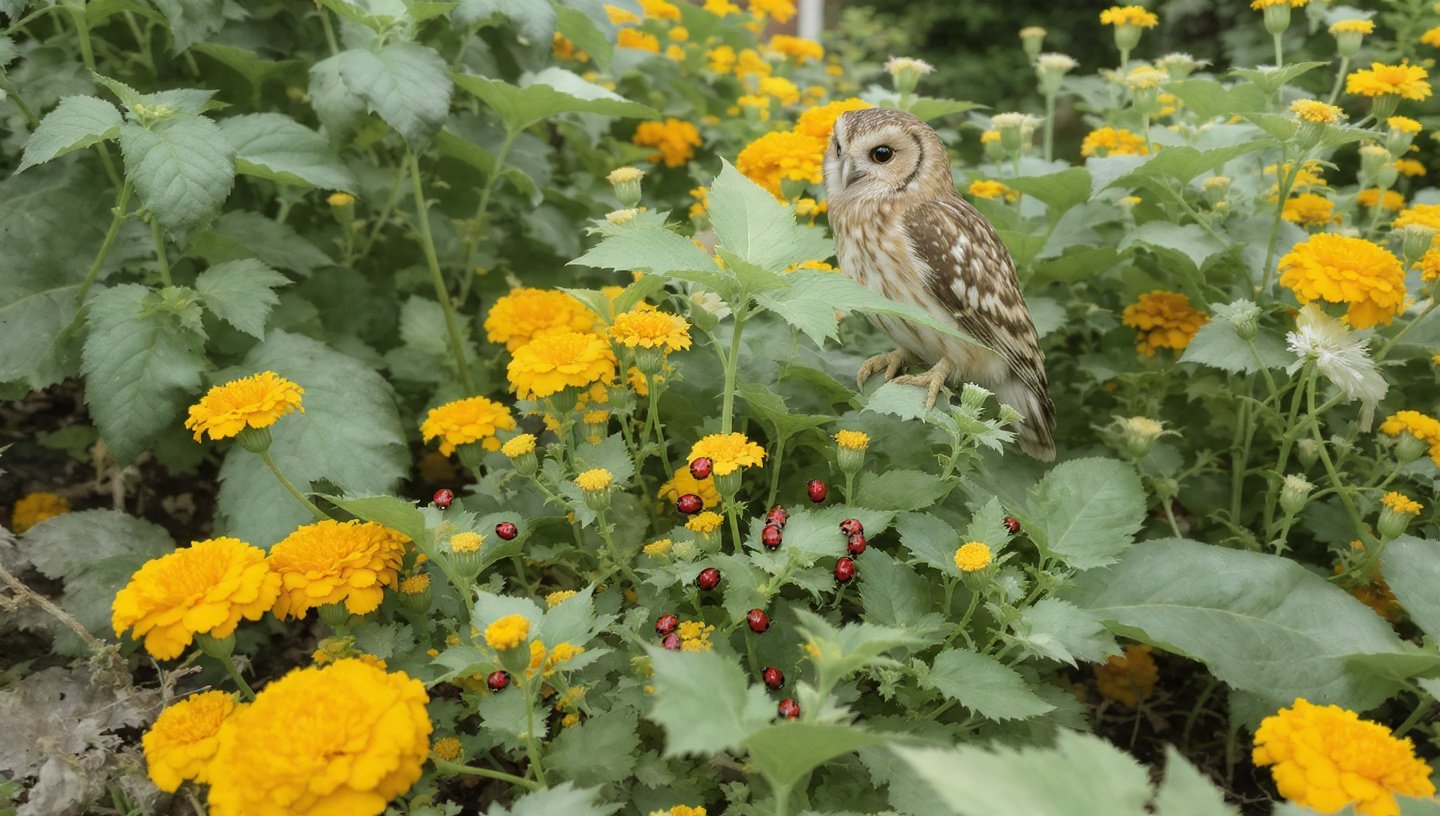
Gardening is a rewarding hobby, but one of the most common challenges gardeners face is dealing with pests. From aphids and caterpillars to slugs and beetles, pests can damage plants, reduce yields, and threaten the health of your garden. While chemical pesticides are available, they can harm beneficial insects, pollute soil and water, and leave residues on fruits and vegetables. Fortunately, there are natural methods to keep pests away effectively without chemicals. These methods protect your plants while maintaining a healthy, sustainable garden ecosystem.
Understanding the Importance of Natural Pest Control
Natural pest control focuses on preventing and managing pests using organic, non-toxic methods. The benefits include:
- Environmental Safety: No harmful chemicals enter the soil, air, or water.
- Protecting Beneficial Insects: Ladybugs, bees, and other pollinators thrive in chemical-free gardens.
- Healthier Produce: Fruits and vegetables are free from chemical residues.
- Sustainable Practices: Encourages biodiversity and strengthens natural predator-prey relationships in the garden.
By prioritizing natural methods, you create a balanced garden ecosystem where pests are controlled without damaging the environment or your plants.
Companion Planting to Deter Pests
Companion planting is the practice of growing specific plants together to repel pests naturally. Certain plant combinations can confuse pests, mask the scent of susceptible plants, or attract beneficial insects.
Examples of Companion Plants:
- Marigolds: Repel nematodes, whiteflies, and aphids while attracting pollinators.
- Basil: Protects tomatoes from flies and mosquitoes, and enhances their flavor.
- Garlic and Chives: Deter aphids, spider mites, and Japanese beetles.
- Nasturtiums: Act as a trap crop for aphids, drawing them away from other vegetables.
- Mint: Repels ants, aphids, and cabbage moths but should be grown in containers to prevent spreading.
Strategically planting these companions near vulnerable crops creates a natural defense against pests.
Physical Barriers and Protective Measures
Preventing pests from reaching your plants is often easier than controlling them after infestation. Several physical methods can be highly effective:
- Row Covers: Lightweight fabrics protect plants from insects while allowing sunlight, air, and water to pass through.
- Netting: Fine mesh netting prevents birds, butterflies, and larger insects from accessing fruits or flowers.
- Mulches: Organic mulches like straw or wood chips can deter certain pests like slugs while maintaining soil moisture.
- Copper Tape or Barriers: Placed around pots or raised beds, copper repels slugs and snails naturally.
- Garden Fencing: Protects against larger animals such as rabbits or deer.
Using physical barriers in combination with other natural methods creates multiple layers of protection, reducing pest pressure effectively.
Attracting Beneficial Insects
Encouraging natural predators is one of the most effective and sustainable ways to control pests:
- Ladybugs: Feed on aphids, mites, and small caterpillars.
- Lacewings: Consume aphids, mealybugs, and thrips.
- Parasitic Wasps: Lay eggs in caterpillars and aphids, controlling their populations naturally.
- Ground Beetles: Hunt slugs, snails, and soil-dwelling pests.
Planting nectar-rich flowers like dill, fennel, coriander, or yarrow attracts these beneficial insects. By creating a habitat that supports predators, you allow nature to regulate pest populations naturally.
Homemade Natural Sprays
Several natural sprays can deter pests without harming plants or beneficial insects:
- Neem Oil Spray: Effective against aphids, whiteflies, and spider mites. Mix neem oil with water and a few drops of mild soap.
- Garlic and Chili Spray: Crush garlic cloves and chili peppers, mix with water, and spray on leaves to repel insects.
- Soap and Water Spray: Mild liquid soap diluted in water can control aphids, mealybugs, and mites.
- Herbal Infusions: Plant infusions such as wormwood, peppermint, or rosemary can deter pests naturally.
Sprays are most effective when applied in the early morning or late evening, reducing the chance of sunlight damage on leaves. Regular application ensures ongoing protection.
Crop Rotation and Soil Health
Healthy soil produces strong plants that are naturally resistant to pests:
- Crop Rotation: Rotating crops each season prevents pests that target specific plants from becoming established.
- Intercropping: Mixing crops can confuse pests and reduce the chance of widespread infestation.
- Soil Fertility: Adding compost or organic fertilizers improves plant vigor, making them less susceptible to pests.
By maintaining soil health, your plants grow stronger and can tolerate minor pest activity without significant damage.
Hand-Picking and Manual Removal
For small gardens or localized infestations, manual removal can be surprisingly effective:
- Inspect plants daily for eggs, larvae, or adult pests.
- Handpick beetles, caterpillars, and slugs and dispose of them away from the garden.
- Use a strong water spray to knock aphids and mites off plants.
Manual control works best when combined with other natural methods, reducing pest populations before they multiply.
Encouraging Bird Activity
Birds are natural predators for many pests such as caterpillars, beetles, and slugs. By attracting birds to your garden:
- Install bird feeders and birdbaths.
- Plant berry-producing shrubs and trees for food and shelter.
- Avoid pesticides that can harm birds and reduce insect populations.
Birds act as an additional layer of pest control while adding life and movement to your garden.
Companion Gardening for Pest Control
Certain plants not only repel pests but also improve the growth of neighboring plants. Examples include:
- Tomatoes and Basil: Enhance flavor while keeping flies away.
- Carrots and Onions: Onions repel carrot flies, and carrots break up soil for onion roots.
- Cabbage and Dill: Dill attracts beneficial insects that prey on cabbage pests.
Companion gardening creates a natural balance, reducing the need for chemical interventions.
Long-Term Benefits of Natural Pest Control
Using natural methods provides lasting benefits:
- Sustainable Gardens: Builds an ecosystem where pests are naturally regulated.
- Safer Produce: No chemical residues on fruits and vegetables.
- Cost-Effective: Reduces the need for store-bought pesticides and fertilizers.
- Pollinator-Friendly: Protects bees, butterflies, and other pollinators essential for plant reproduction.
By integrating multiple natural strategies, gardeners can manage pests effectively and create a thriving, resilient garden environment.
Conclusion
Gardening without chemicals is both possible and highly rewarding. By using companion planting, physical barriers, beneficial insects, natural sprays, crop rotation, and manual removal, you can protect your plants while maintaining a healthy ecosystem. These natural methods allow for sustainable pest control, vibrant plant growth, and safe, chemical-free produce.
Incorporating natural pest management techniques ensures your garden remains productive, visually appealing, and environmentally friendly. Not only do your plants thrive, but you also enjoy a healthier and more sustainable gardening experience. By observing your garden, understanding pest behavior, and applying these natural strategies, you can effectively keep pests away without chemicals and enjoy a flourishing, chemical-free oasis.