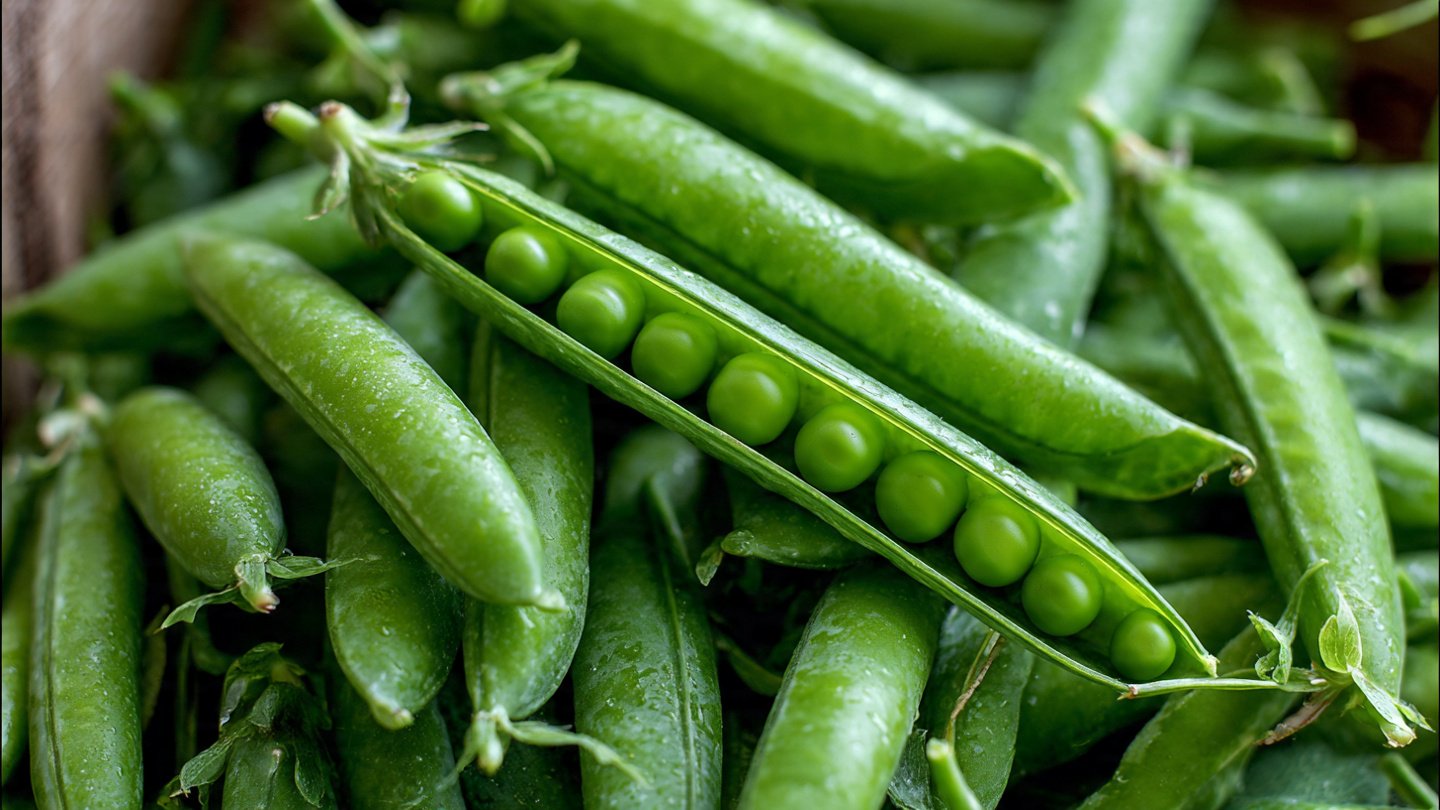
Fresh, crisp peas can transform a simple salad into a burst of flavor and nutrition. While store-bought peas are convenient, nothing compares to the taste and quality of peas harvested straight from your garden. Growing your own peas is not only rewarding but also provides numerous culinary, nutritional, and environmental benefits. Whether you have a backyard, balcony, or even a small container garden, cultivating peas can elevate your salads and enhance your overall garden experience.
In this guide, we explore why homegrown peas are superior for salads, how to grow them successfully, and techniques to maximize yield and flavor.
The Flavor Advantage of Homegrown Peas
Peas are delicate vegetables that begin losing sweetness and texture soon after harvest. Commercially sold peas are often picked before full maturity and transported over long distances, which can reduce flavor, nutrition, and crispness.
Homegrown peas, by contrast, allow you to:
- Pick at Peak Ripeness: Harvest peas when pods are plump and tender for the sweetest flavor.
- Enjoy a Crisp Texture: Freshly picked peas retain their crunch, enhancing the sensory experience of your salads.
- Tailor Varieties: Grow varieties suited for your palate, whether you prefer sweet snap peas, snow peas, or classic garden peas.
The immediate freshness of garden peas makes them a standout ingredient, adding vibrancy and natural sweetness to salads.
Nutritional Benefits of Fresh Peas
Peas are packed with essential nutrients that support a healthy diet. Homegrown peas offer:
- Vitamins: Rich in vitamins A, C, K, and several B vitamins.
- Minerals: Contain iron, magnesium, potassium, and phosphorus.
- Protein and Fiber: Provide plant-based protein and dietary fiber for satiety and digestion.
- Antioxidants: Fresh peas contain compounds that help fight free radicals and promote overall wellness.
By growing your own peas, you ensure maximum nutrient retention because they are consumed immediately after harvest, preserving their health benefits.
Choosing the Right Pea Varieties
Different types of peas offer unique flavors and textures suitable for salads:
- Garden Peas (English Peas): Sweet, tender, and typically shelled before consumption.
- Snap Peas: Edible pods with crisp texture, ideal for salads without shelling.
- Snow Peas: Flat pods with a mild, sweet flavor that can be eaten whole.
Selecting the right variety depends on your culinary preference and growing conditions. For salads, snap and snow peas are particularly convenient because you can eat the pods along with the peas.
Growing Conditions for Optimal Peas
Peas are relatively easy to grow, but they thrive under specific conditions:
- Climate: Cool-season crops; best planted in early spring or fall in temperate climates.
- Soil: Well-draining, fertile soil with a neutral to slightly acidic pH (6.0–7.0).
- Sunlight: Full sun (at least 6–8 hours per day) ensures vigorous growth and sweet pods.
- Support: Many pea varieties benefit from trellises, stakes, or netting for climbing.
Meeting these conditions encourages strong plants, abundant flowering, and sweet, tender peas ideal for salads.
Step-by-Step Planting Guide
- Soil Preparation: Enrich soil with compost or well-rotted manure to supply nutrients. Loosen soil to improve drainage and aeration.
- Sowing Seeds: Plant seeds 1–2 inches deep and 2 inches apart. Space rows 18–24 inches apart for adequate airflow.
- Watering: Keep soil consistently moist during germination. Once established, peas prefer even, moderate watering.
- Support Structures: Install trellises or netting early to encourage vertical growth and prevent sprawling on the ground.
- Mulching: Apply mulch to retain soil moisture, regulate temperature, and suppress weeds.
Proper planting ensures strong, healthy plants and high yields suitable for fresh salads.
Maximizing Yield and Flavor
For the freshest and most abundant peas, follow these strategies:
- Succession Planting: Sow seeds every 2–3 weeks to maintain a continuous harvest.
- Pollination: While peas are self-pollinating, gentle shaking of flowers or a soft brush can improve pod set.
- Harvest Timing: Pick pods early in the day for maximum sweetness. Regular harvesting encourages more flowers and pods.
- Nutrient Management: Use balanced fertilizer or compost tea to support flowering and pod development without excessive leaf growth.
These practices help you enjoy a steady supply of crisp, flavorful peas throughout the season.
Pest and Disease Management
Healthy plants produce sweeter, more tender peas. Common pests and diseases include:
- Aphids: Spray with water or use neem oil to prevent damage.
- Powdery Mildew: Ensure proper spacing and airflow to minimize fungal growth.
- Pea Weevils: Inspect pods regularly and remove affected plants if necessary.
Preventing pests and diseases ensures the best quality peas for your salads.
Container Gardening for Peas
Even without a backyard, peas can thrive in containers:
- Pot Selection: Use pots at least 12 inches deep with good drainage.
- Soil: Use a high-quality potting mix enriched with compost.
- Support: Install a trellis or bamboo sticks for climbing varieties.
- Watering and Sunlight: Ensure consistent moisture and full sunlight exposure.
Container gardening makes it easy to grow peas on balconies, terraces, or patios, providing fresh ingredients for salads even in urban environments.
Culinary Uses Beyond Salads
Homegrown peas are incredibly versatile:
- Raw in Salads: Crisp snap peas and tender garden peas enhance salads with sweetness and texture.
- Lightly Blanched: Snow peas can be blanched for a few seconds to maintain crunch while enhancing color.
- Stir-Fries: Add freshly picked peas to stir-fried vegetables for a sweet, fresh flavor.
- Snacking: Snap peas are perfect for eating straight from the garden as a healthy snack.
By growing your own peas, you can experiment with multiple culinary uses while enjoying unmatched freshness.
Environmental and Lifestyle Benefits
Growing your own peas also offers environmental and lifestyle advantages:
- Reduced Carbon Footprint: Homegrown peas eliminate the need for transportation and packaging.
- Chemical-Free: You control fertilizers and pesticides, producing healthier, cleaner crops.
- Gardening as Therapy: Cultivating peas promotes mindfulness, stress reduction, and a connection with nature.
- Sustainable Eating: Growing your own food reduces dependence on store-bought produce and encourages self-sufficiency.
These benefits make pea gardening a rewarding activity beyond just the culinary results.
Final Thoughts
Growing your own peas is a simple, rewarding way to elevate your garden salads with unmatched flavor and nutrition. By selecting the right varieties, providing ideal growing conditions, and using innovative planting techniques, you can enjoy fresh, tender peas throughout the season.
Whether planted in the backyard, raised beds, or containers on a balcony, homegrown peas offer culinary versatility, health benefits, and environmental advantages. Succession planting, careful harvesting, and attention to pest management ensure that your garden provides a continuous supply of the freshest peas.
From enhancing salads to providing healthy snacking options, peas grown in your own garden offer a taste experience that store-bought produce simply cannot match. By embracing pea gardening, you bring freshness, flavor, and sustainability to your table while enjoying the satisfaction of cultivating your own food.