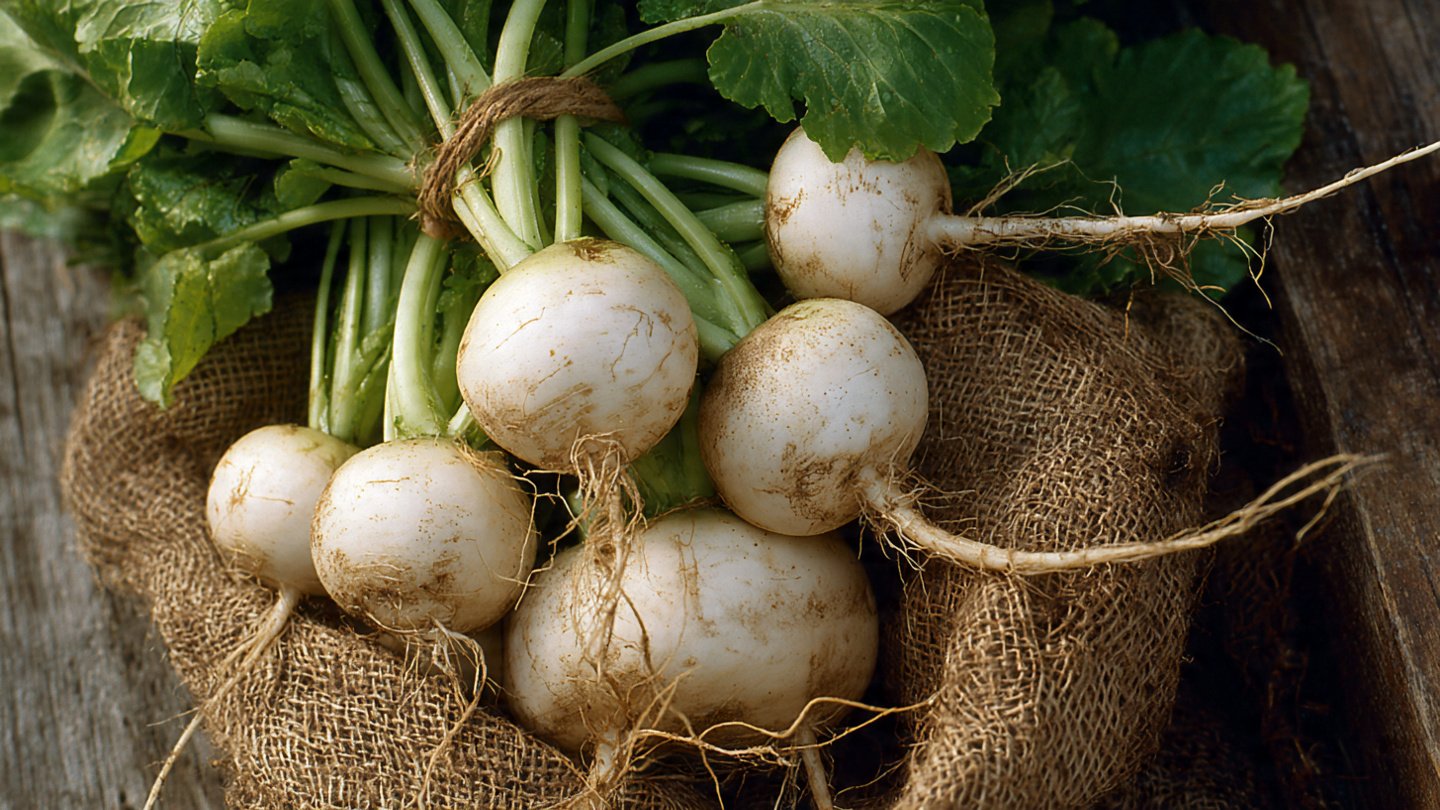
Turnips (Brassica rapa subsp. rapifera) are versatile, nutritious, and easy-to-grow root vegetables that can flourish in a home garden without chemical fertilizers or pesticides. Many gardeners are turning to natural cultivation methods to produce healthy, flavorful turnips while protecting soil health, pollinators, and the broader environment. Achieving a thriving, chemical-free turnip crop requires understanding their growth requirements, using organic inputs, and practicing smart gardening techniques.
This comprehensive guide explores how to make turnips thrive naturally, from soil preparation and sowing to watering, pest control, and harvesting.
Why Grow Turnips Without Chemicals?
Growing turnips without chemical assistance offers several benefits:
- Healthier produce: Organic turnips are free from synthetic pesticides and fertilizers.
- Soil health: Natural cultivation preserves soil structure, nutrients, and beneficial microorganisms.
- Environmental protection: Avoiding chemicals reduces runoff, protecting waterways and wildlife.
- Taste and nutrition: Chemical-free turnips often have richer flavor and higher nutrient content.
- Sustainability: Encourages responsible gardening practices and self-sufficiency.
By cultivating turnips naturally, gardeners produce wholesome, flavorful vegetables while promoting an eco-friendly garden.
Choosing the Right Soil
Healthy soil is the foundation of chemical-free turnip cultivation.
Soil requirements:
- Loamy and well-draining: Turnips grow best in loose soil that allows roots to expand easily.
- Slightly acidic to neutral pH: Aim for a pH between 6.0 and 7.0.
- Nutrient-rich: Incorporate compost or well-rotted manure to supply essential nutrients.
Preparation tips:
- Remove rocks, sticks, and debris that can obstruct root growth.
- Loosen soil to a depth of 10–12 inches for optimal root development.
- Mix in organic matter such as compost, leaf mold, or aged manure to improve fertility and moisture retention.
Healthy soil provides the nutrients and structure turnips need to grow strong and flavorful.
Selecting Turnip Varieties
Choosing the right variety affects growth, flavor, and resistance to pests or diseases.
- Early varieties: ‘Purple Top White Globe’ and ‘Tokyo Cross’ mature quickly and are ideal for spring or fall planting.
- Storage varieties: ‘Hakurei’ and ‘Seven Top’ can last longer after harvest.
- Greens-focused varieties: Some turnips are grown primarily for tender leaves rather than roots.
Select varieties suited to your climate, season, and desired harvest to increase your chances of success.
Sowing Turnip Seeds Naturally
Sowing turnip seeds correctly is crucial for healthy, chemical-free growth.
Sowing tips:
- Timing: Plant turnip seeds in early spring or late summer for cooler growth periods.
- Spacing: Sow seeds 1/2 inch deep, spacing them 1–2 inches apart. Thin seedlings to 4–6 inches apart once they sprout.
- Rows: Space rows 12–18 inches apart for proper air circulation.
- Companion planting: Plant with beans, peas, or onions to deter pests and enhance soil fertility.
Proper sowing ensures uniform germination and reduces competition between seedlings.
Watering and Moisture Management
Consistent moisture is critical for root development and flavorful turnips.
- Water regularly to keep the soil evenly moist, especially during dry periods.
- Avoid overwatering, which can cause root rot or fungal diseases.
- Mulch with straw, leaves, or grass clippings to retain soil moisture, suppress weeds, and maintain even soil temperature.
Balanced watering encourages smooth, firm roots and lush green foliage.
Organic Fertilization
Instead of chemical fertilizers, turnips thrive with natural soil amendments.
Recommended organic inputs:
- Compost: Provides slow-release nutrients and improves soil structure.
- Aged manure: Supplies nitrogen, phosphorus, and potassium without synthetic chemicals.
- Green manure or cover crops: Legumes or clover add nitrogen naturally while protecting soil.
- Seaweed extract or compost tea: Supports root growth and enhances plant immunity.
Applying organic fertilizers in moderation prevents nutrient imbalances and supports sustainable growth.
Pest and Disease Management Naturally
Turnips are vulnerable to pests like flea beetles, aphids, and cabbage root maggots, as well as diseases like clubroot and powdery mildew. Chemical-free solutions focus on prevention and natural control:
- Crop rotation: Avoid planting turnips or other brassicas in the same spot each year.
- Physical barriers: Use row covers or fine mesh to protect seedlings from insects.
- Companion planting: Marigolds, nasturtiums, or herbs like rosemary and thyme deter pests naturally.
- Handpicking: Remove caterpillars or slugs manually to protect plants.
- Neem oil or insecticidal soap: Safe, plant-based solutions for pest control.
Regular monitoring and early intervention prevent infestations and disease outbreaks.
Harvesting Turnips Naturally
Proper timing and technique maximize flavor and texture:
- Roots: Harvest turnips when 2–3 inches in diameter for tender, sweet roots.
- Greens: Cut young leaves regularly to encourage new growth and prevent bolting.
- Tools: Use clean, sharp knives or garden forks to prevent damage to roots.
- Storage: Store harvested turnips in a cool, dry place or refrigerate for longer freshness.
Timely harvesting ensures chemical-free turnips are flavorful, crisp, and ready to enjoy.
Mulching and Soil Protection
Mulching is an essential practice in chemical-free gardening:
- Retains soil moisture and prevents drying.
- Suppresses weeds, reducing competition for nutrients.
- Protects roots from temperature fluctuations.
- Adds organic matter as it decomposes, enriching soil naturally.
Organic mulch such as straw, shredded leaves, or grass clippings is ideal for turnip beds.
Encouraging Thriving Turnip Plants
Several natural techniques promote vigorous growth:
- Proper spacing: Avoid overcrowding, which reduces airflow and increases disease risk.
- Sunlight: Ensure turnips receive at least 4–6 hours of sunlight daily.
- Thinning seedlings: Removes weaker plants, giving strong seedlings more room to grow.
- Regular weeding: Reduces competition and allows turnips to access nutrients efficiently.
Healthy cultural practices are more effective than chemicals in producing robust, productive plants.
Benefits of Growing Turnips Naturally
Chemical-free turnip cultivation provides numerous advantages:
- Healthier produce: Free from synthetic residues.
- Environmentally friendly: Protects soil, water, and beneficial insects.
- Sustainable: Supports natural soil fertility and biodiversity.
- Flavorful and nutrient-rich: Roots and greens often taste better and retain more nutrients.
Natural cultivation aligns with eco-conscious gardening principles while providing fresh, wholesome food.
Final Thoughts
Turnips can thrive perfectly without chemical assistance when you focus on healthy soil, proper sowing, consistent watering, natural fertilization, and pest management. Using organic amendments, mulching, companion planting, and careful maintenance allows gardeners to grow flavorful, nutrient-rich turnips sustainably.
By practicing chemical-free gardening techniques, you not only produce high-quality vegetables but also protect the environment, support soil health, and enjoy a more rewarding gardening experience. With patience and attention to natural growth methods, your turnips can flourish year after year, providing a bountiful and healthy harvest without relying on synthetic chemicals.