Gardening is a labor of love, but anyone who has battled stubborn weeds knows how frustrating the task can be. Especially when it comes to delicate flower beds, container gardens, or closely planted vegetables, traditional tools like shovels or hoes can be too aggressive, damaging tender roots and disturbing the surrounding soil. Enter the hand fork—a simple yet transformative tool that can elevate your weeding and soil-care routine, making it more precise, efficient, and satisfying.
Understanding the Hand Fork
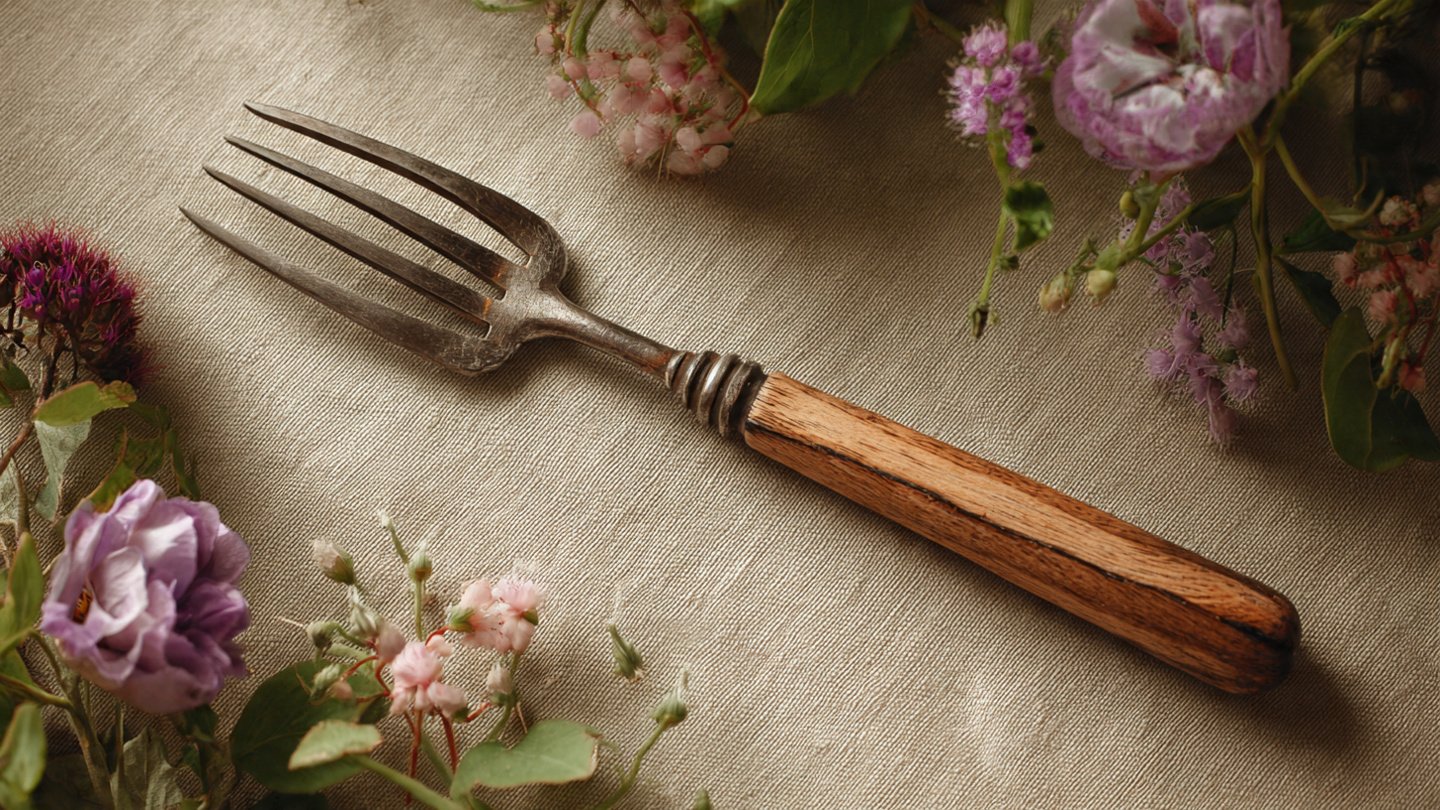
A hand fork, sometimes called a garden fork or three-tine fork, is a small, handheld tool with three or four sturdy tines. Unlike larger garden forks used for turning soil in raised beds or fields, a hand fork is designed for close-up work. It is perfect for tasks that require control and finesse, such as:
- Removing weeds from confined spaces
- Loosening compacted soil without harming nearby plants
- Aerating the soil around delicate seedlings
- Mixing in fertilizer or compost on a small scale
Its size, shape, and pointed tines give gardeners the ability to target weeds at the root level without disturbing the surrounding garden ecosystem.
The Advantages of Using a Hand Fork
- Precision Weeding
Traditional hoes and spades can be overkill for tight garden spaces, often damaging the roots of desirable plants. A hand fork allows you to gently lift weeds from the soil with minimal disturbance. You can work around young plants, groundcover, or ornamental flowers without uprooting them accidentally. - Deeper Root Removal
Many weeds are persistent because they have deep or spreading root systems. A hand fork can penetrate the soil deeply enough to loosen roots, making it easier to pull out weeds entirely. This prevents regrowth and reduces the frequency of weeding sessions. - Soil Aeration
Compacted soil restricts water, nutrient flow, and root development. By gently working a hand fork into the soil, gardeners can break up compacted patches, improving aeration and promoting healthier plants. Unlike aggressive digging, this method preserves soil structure and beneficial microorganisms. - Improved Fertilizer Incorporation
When adding compost, manure, or organic fertilizers, a hand fork allows for gentle mixing with the topsoil. This ensures nutrients are evenly distributed around roots without disturbing the delicate seedlings or plants nearby. - Ergonomic Benefits
A hand fork requires less effort than bending over with larger tools or trying to dig with your hands. Its handle is usually designed for comfort, reducing strain on wrists and forearms during prolonged weeding sessions.
When to Use a Hand Fork
While versatile, the hand fork is best suited for specific gardening scenarios:
- Flower Beds: Protect the roots of bulbs, perennials, and annuals while keeping weeds in check.
- Vegetable Gardens: Especially for densely planted crops like lettuce, spinach, or microgreens, a hand fork helps maintain soil without disturbing seedlings.
- Container Gardening: In pots, raised beds, and planters, a hand fork is ideal for removing weeds without compromising the container’s soil structure.
- Around Delicate Plants: Small herbs, succulents, and seedlings benefit from the controlled precision of a hand fork.
Tips for Effective Weeding with a Hand Fork
- Identify the Weed Type
Some weeds have shallow roots, while others penetrate deeply. Recognizing the type of weed helps you adjust your technique. For deep-rooted weeds, insert the fork gently alongside the root and lift carefully. - Loosen Soil First
If the soil is dry or compacted, lightly moisten it before weeding. This softens the ground, making it easier to lift weeds without breaking the root. - Use a Gentle Rocking Motion
Insert the tines of the fork at the base of the weed and use a gentle rocking motion to loosen the soil. Pull the weed straight up once the roots are loosened to avoid snapping. - Work in Sections
Focus on small sections at a time to avoid feeling overwhelmed. This also prevents soil from drying out or compacting while you move between areas. - Maintain Your Tool
Clean your hand fork after each use, removing soil and debris. Sharpen tines if necessary and oil wooden handles to prevent splintering. A well-maintained fork ensures smoother, more efficient work.
Beyond Weeding: Additional Uses of a Hand Fork
While weeding is the primary function, a hand fork can enhance many other gardening tasks:
- Transplanting Seedlings: Carefully loosen the soil to lift seedlings with minimal root disturbance.
- Aerating Soil Around Plants: Especially useful for potted plants or raised beds where the soil may compact over time.
- Mixing Soil Amendments: Incorporate compost, organic fertilizers, or soil conditioners without over-turning the soil.
- Harvesting Root Vegetables: Small crops like radishes, baby carrots, and turnips can be lifted gently with a hand fork without breaking the vegetables.
Choosing the Right Hand Fork
Selecting a hand fork suited to your gardening style and needs is essential:
- Material: Stainless steel tines resist rust, while carbon steel offers durability.
- Handle: Wooden handles provide a natural feel and comfort, while plastic or rubber handles may offer additional grip.
- Size and Weight: Lightweight tools reduce fatigue, while slightly heavier forks can penetrate denser soil more effectively.
- Tine Shape: Pointed tines are ideal for penetrating compacted soil, while slightly wider tines help lift larger clumps or roots.
Common Mistakes to Avoid
Even with a hand fork, gardeners sometimes make errors that reduce efficiency:
- Using Excessive Force: Forcing the fork into hard soil can bend tines or damage nearby plants. Moistening the soil first usually resolves this.
- Neglecting Tool Care: Rusted or dull tines decrease effectiveness and make weeding harder.
- Ignoring Regular Weeding: Waiting too long allows weeds to establish deep roots, making removal more difficult even with a hand fork.
Conclusion
The humble hand fork may seem like a small, simple tool, but it can transform your gardening experience. By offering precision, reducing damage to delicate plants, improving soil aeration, and enabling deep root removal, it elevates your weeding game to a level that is both efficient and gentle.
Whether you are tending to a container garden, a flower bed, or a vegetable patch, incorporating a hand fork into your toolkit allows you to manage weeds effectively without compromising plant health. With proper care and technique, this versatile tool ensures that your garden stays healthy, productive, and beautiful throughout the growing season.
Investing in a high-quality hand fork and learning to use it correctly is a small effort for a significant reward: a cleaner, healthier garden with less effort and stress, season after season.