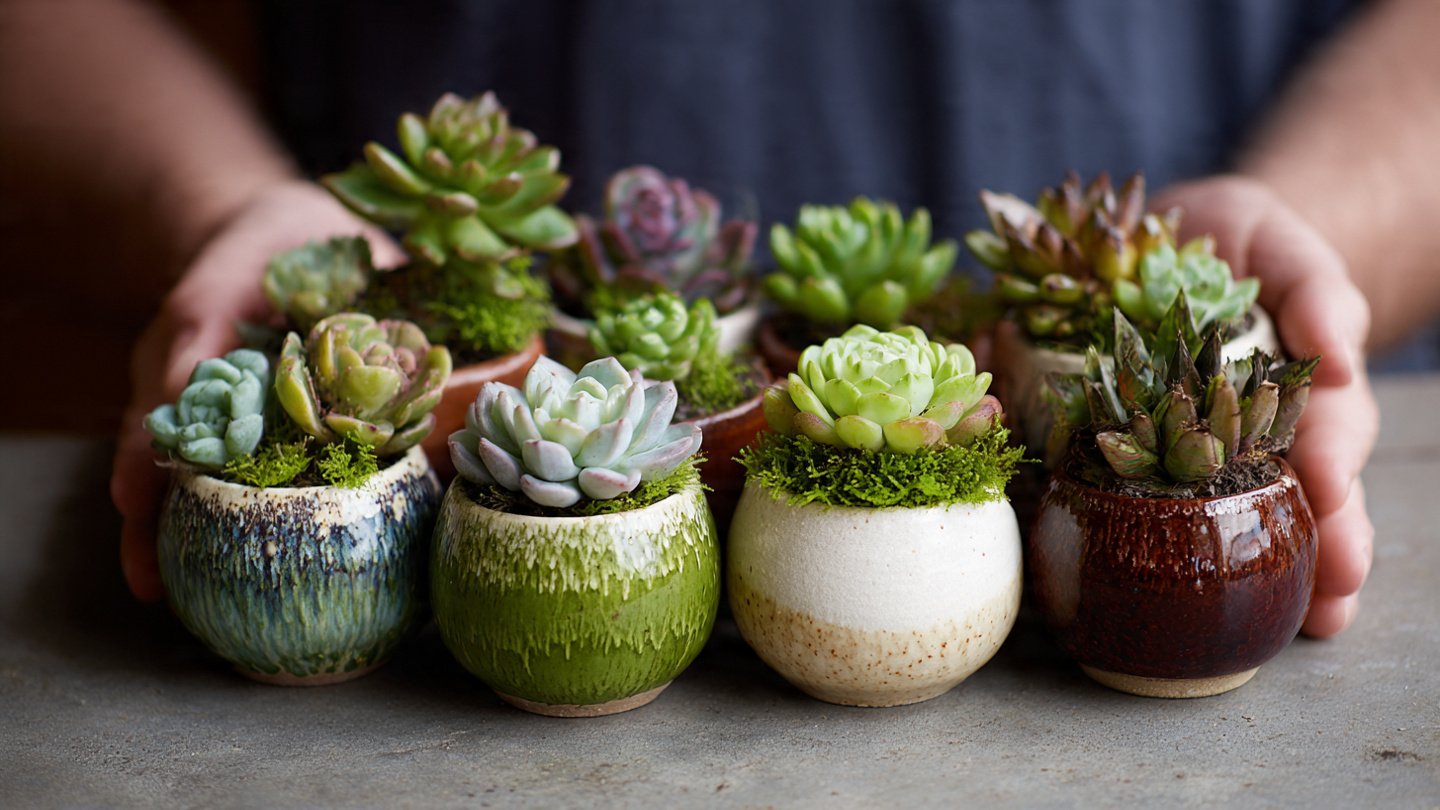
Succulent plants have become one of the most popular choices for indoor and outdoor gardeners, thanks to their low maintenance, unique textures, and ability to thrive in small spaces. Their charm, however, depends heavily on the environment they grow in—and nowhere is this more critical than the planter. The right planter can make all the difference in keeping your succulents healthy, vibrant, and thriving. For both beginners and experienced gardeners, choosing the ideal pot is not just a matter of aesthetics—it’s a matter of plant survival.
This article explores why certain planters have become must-haves for succulent enthusiasts, what features make them perfect for these hardy plants, and how they contribute to optimal growth.
Understanding Succulent Needs
Before exploring planters, it’s important to understand why succulents are unique and what they require to thrive:
- Water Management – Succulents store water in their leaves and stems, so overwatering can easily lead to root rot. Proper drainage is essential.
- Soil Aeration – Succulents prefer well-draining soil that allows roots to breathe. Compacted or waterlogged soil can harm them.
- Sunlight – Most succulents need several hours of bright, indirect sunlight to maintain their color, shape, and growth rate.
- Temperature Control – Being sensitive to extreme cold or heat, succulents need planters that protect roots and provide a stable micro-environment.
Because of these needs, the choice of planter is critical. The wrong pot can lead to overwatering, root rot, or stunted growth.
The Importance of Planter Design
Succulent enthusiasts often seek planters specifically designed to support the plant’s unique requirements. Here are the key features that make a planter ideal:
- Drainage Holes
The most essential feature of a succulent planter is drainage. Excess water must escape to prevent root rot. Planters without drainage holes may require careful watering techniques, but even experienced gardeners prefer pots with proper drainage for safety. - Material
Planter material affects water retention and soil temperature:
- Terracotta and Clay – Porous and breathable, these materials help prevent overwatering by allowing moisture to evaporate. They are lightweight and perfect for indoor or patio succulents.
- Ceramic – Attractive and often glazed, ceramic pots can retain more moisture, so they are ideal for dry climates or controlled indoor environments.
- Concrete and Stone – Durable and stylish, these materials provide stability for larger succulents but can retain heat, so placement is important.
- Size and Shape
Succulents require space for roots but prefer snug conditions:
- Shallow, Wide Pots – Perfect for rosette-type succulents like echeverias.
- Tall, Narrow Pots – Ideal for succulents with deep roots, like aloe vera.
- Cluster Planting – Succulents often look better when grouped in wider planters, allowing creative arrangements.
- Aesthetic Appeal
Succulent enthusiasts also value planters that complement their decor. Modern geometric shapes, minimalist designs, and colorful finishes are popular, but functionality should never be sacrificed for appearance.
Why These Planters Are a Must-Have
Certain planters have become favorites among succulent enthusiasts because they strike the perfect balance between functionality and style. Here’s why:
- Optimal Drainage
These planters are designed with perfectly sized drainage holes to allow excess water to escape without losing soil. This reduces the risk of root rot and keeps succulents healthy. - Breathable Materials
Many of these planters use terracotta, clay, or other porous materials that promote aeration and soil health. Healthy roots lead to more vibrant leaves and consistent growth. - Designed for Sunlight and Heat Control
Some planters feature lighter colors or reflective surfaces to prevent soil overheating, protecting roots from extreme sun exposure. Others have thicker walls that help regulate temperature during colder months. - Versatile Size Options
These planters come in a variety of sizes and shapes, allowing enthusiasts to grow individual succulents, create cluster arrangements, or design vertical gardens. Versatility encourages creativity and personal expression. - Stylish and Functional
With minimalist, geometric, and artistic designs, these planters complement indoor decor while providing succulents with the environment they need to flourish. Aesthetic appeal meets practical gardening needs.
Tips for Using Succulent Planters Effectively
Even the best planter requires proper use to maximize plant health:
- Use Well-Draining Soil
Always fill planters with soil specifically formulated for succulents or cacti. Avoid garden soil that retains too much water. - Layering for Drainage
Consider adding a layer of gravel or small stones at the bottom of the planter before soil. This improves drainage and prevents water from sitting at the roots. - Watering Practices
Water succulents deeply but infrequently. Allow the soil to dry completely between watering sessions. Planters with drainage holes make this much easier to manage. - Proper Sunlight Placement
Place planters where succulents receive adequate sunlight. Rotate the planter occasionally to ensure even growth and prevent leaning. - Regular Inspection
Check plants periodically for signs of overwatering, pests, or disease. A good planter simplifies care but does not eliminate the need for observation.
Creative Ways to Use Succulent Planters
Succulent planters are not just practical—they’re also a tool for creativity:
- Indoor Decor – Place planters on shelves, coffee tables, or windowsills to add natural charm to any room.
- Terrariums – Shallow, wide planters work well for creating miniature succulent landscapes.
- Outdoor Arrangements – Cluster planters in patios, balconies, or gardens to create vibrant focal points.
- Hanging Displays – Use hanging planters for trailing succulent varieties like string-of-pearls or burro’s tail.
The right planter can transform ordinary succulents into visually stunning displays that complement your space.
Maintaining Succulents in the Right Planter
Even with the perfect planter, ongoing care is essential:
- Avoid Overcrowding – Give each plant enough space to grow. Overcrowding reduces airflow and increases disease risk.
- Clean the Planter Occasionally – Remove old leaves or debris that can trap moisture and attract pests.
- Repot When Necessary – If succulents outgrow their planter, transfer them to a larger pot to prevent stress and ensure continued growth.
Proper maintenance maximizes the benefits of using high-quality planters and keeps succulents thriving.
Conclusion
For succulent enthusiasts, choosing the right planter is just as important as selecting the plant itself. The right planter provides optimal drainage, promotes aeration, supports proper root growth, and allows for creative arrangements—all while enhancing the beauty of your home or garden.
These must-have planters combine functionality and style, ensuring that your succulents remain healthy, vibrant, and visually appealing. By investing in quality planters and following proper care techniques, succulent lovers can enjoy flourishing plants year-round and create living displays that bring joy, style, and a touch of nature to any space.
Succulent planters are more than containers—they are tools for growth, expression, and success in cultivating one of the most resilient and rewarding plants in the gardening world.