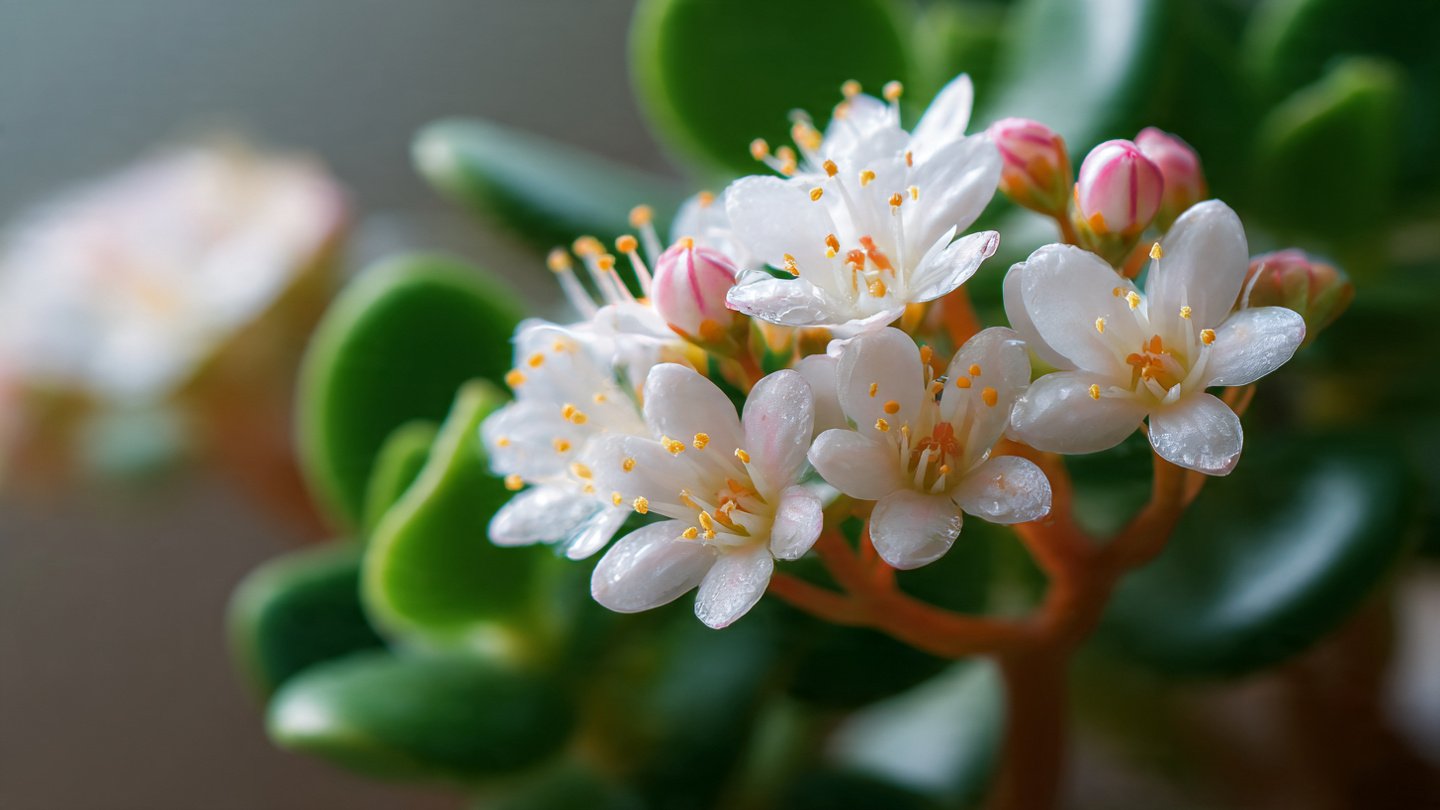
The jade plant (Crassula ovata) is one of the most popular succulent houseplants, admired for its thick, glossy leaves, compact growth, and longevity. While it is relatively easy to care for, getting a jade plant to bloom is a challenge for many plant enthusiasts. Surprisingly, one of the key factors that can trigger flowering in jade plants is a cold snap or a period of cooler temperatures.
Understanding how cold temperatures influence your jade plant’s natural flowering cycle allows you to create the right conditions to encourage stunning clusters of star-shaped blooms. This guide explores why cold snaps matter, how to safely induce them, and best practices for encouraging healthy jade plant blooms.
Why Jade Plants Sometimes Struggle to Bloom
Even healthy jade plants do not bloom easily. Several factors can prevent flowering:
- Insufficient Dormancy: Jade plants require a period of slower growth and cooler temperatures during the winter to initiate blooming.
- Excessive Light or Heat During Winter: Constant warmth and bright light prevent the plant from entering its natural dormancy phase.
- Overwatering: Jade plants naturally slow down in growth during cooler months, and excess water can lead to root rot or stress, inhibiting blooms.
- Nutrient Imbalance: Lack of proper fertilization can reduce the plant’s energy reserves needed for flowering.
By simulating natural seasonal changes—including cooler temperatures—you can help your jade plant move into the reproductive phase that leads to flower production.
How Cold Snaps Trigger Flowering
Jade plants are native to South Africa and naturally experience temperature fluctuations throughout the year. A cold snap acts as a signal for the plant to enter a dormant, energy-conserving phase during winter. Here’s why this process is critical:
- Slowed Growth Encourages Energy Storage: During cooler periods, jade plants slow down leaf and stem growth. This allows the plant to accumulate energy in its thick leaves and stems.
- Hormonal Changes Promote Flowering: Cooler temperatures trigger the production of flowering hormones, specifically gibberellins, which signal the plant to bloom when conditions warm.
- Seasonal Cues Mimic Nature: In their native habitat, jade plants bloom in late winter or early spring after experiencing cooler temperatures. Replicating this natural cue indoors increases the likelihood of flowers.
In essence, a cold snap tells your jade plant, “It’s time to reproduce,” which is why careful temperature management is key for blooming.
Ideal Temperature Range for Flower Induction
Not all cold temperatures are safe for jade plants. While they tolerate cooler conditions, exposure to extreme cold can damage the leaves or roots.
- Optimal Cool Temperature: 10–15°C (50–59°F) during the night or winter months.
- Minimum Safe Temperature: Do not expose jade plants to temperatures below 5°C (41°F), as frost can kill or severely damage the plant.
- Daytime Temperature: Keep daytime temperatures slightly warmer (15–20°C / 59–68°F) to allow some photosynthesis and energy storage.
Maintaining this temperature range for 6–8 weeks during winter provides the ideal stimulus for flowering.
How to Safely Simulate a Cold Snap Indoors
For those growing jade plants indoors, natural cold snaps may not occur. Fortunately, you can safely simulate cooler conditions:
- Move the Plant Near a Cooler Window: Place it in an unheated room or near a north-facing window.
- Reduce Watering During Winter: Cold temperatures slow growth, so water sparingly to prevent root rot.
- Avoid Fertilizing: Fertilizer stimulates leaf growth, not flowering, and can hinder bloom formation during dormancy.
- Monitor Temperature Closely: Use a thermometer to ensure conditions remain in the safe flowering range.
These steps create a natural winter dormancy, preparing your jade plant to bloom when spring approaches.
Light Requirements During Cool Periods
While cooler temperatures are crucial, jade plants still require adequate light:
- Bright, Indirect Sunlight: Provide 4–6 hours of sunlight per day, ideally in the morning.
- Avoid Direct Afternoon Sun: Cold, dry air combined with intense light can cause leaf damage.
- Supplement with Grow Lights if Needed: If indoor light is insufficient, use full-spectrum LED grow lights for 6–8 hours daily.
Balanced light exposure ensures your jade plant remains healthy and has the energy to produce flowers.
Watering Practices to Encourage Flowering
Proper watering is essential during the cold snap:
- Reduce Frequency: Water only when the top 2–3 cm of soil are dry.
- Use Well-Draining Soil: Avoid soggy soil; a cactus or succulent mix works best.
- Avoid Fertilizer Water: Wait until the flowering phase ends before resuming light fertilization.
Controlled watering supports dormancy without stressing the plant.
Encouraging Bloom After Cold Snap
Once the cold period ends, several steps help your jade plant transition into the flowering phase:
- Gradually Increase Temperature: Slowly move the plant to warmer areas or raise the room temperature to 18–24°C (65–75°F).
- Resume Light Fertilization: Use a low-nitrogen fertilizer to promote flowering rather than leafy growth.
- Maintain Bright Light Exposure: More sunlight supports energy conversion needed for flower buds.
- Monitor for Pests: Dormant plants may be more vulnerable to spider mites or scale insects when moved to warmer conditions.
With proper transition, your jade plant will begin forming flower clusters along the tips of branches, typically in late winter or early spring.
Benefits of Jade Plant Flowers
While jade plants are admired for their leaves, flowers offer unique advantages:
- Aesthetic Appeal: Tiny star-shaped blooms in pink or white create a striking contrast against glossy green leaves.
- Pollinator Attraction: Outdoor jade plants may attract bees or other beneficial insects.
- Gardening Satisfaction: Blooming jade plants signify successful care and proper seasonal management.
Though not every jade plant blooms annually, those that do are considered a gardener’s reward for patience and attention.
Common Mistakes to Avoid
- Keeping Plants Too Warm in Winter: Prevents dormancy and flowering.
- Overwatering During Cold Periods: Can cause root rot and weaken plants.
- Fertilizing During Dormancy: Encourages leafy growth instead of flower bud formation.
- Sudden Temperature Changes: Rapid warming or cooling stresses the plant, possibly preventing blooms.
- Insufficient Light: Even with a cold snap, inadequate sunlight can reduce flower production.
Avoiding these errors ensures your jade plant receives the right cues for blooming.
Final Thoughts
A cold snap is more than just a winter nuisance—it is a natural signal that can encourage your jade plant to produce beautiful, delicate flowers. By understanding the relationship between cooler temperatures, dormancy, and flowering, gardeners can simulate winter conditions indoors, manage watering, and provide adequate light to maximize bloom potential.
With patience, careful temperature control, and seasonal adjustments, your jade plant can reward you with clusters of star-shaped flowers, enhancing both your indoor garden and your satisfaction as a plant enthusiast. Remember, blooming jade plants are a sign of a healthy, well-cared-for plant, and creating the right winter environment is the key to seeing these stunning results.