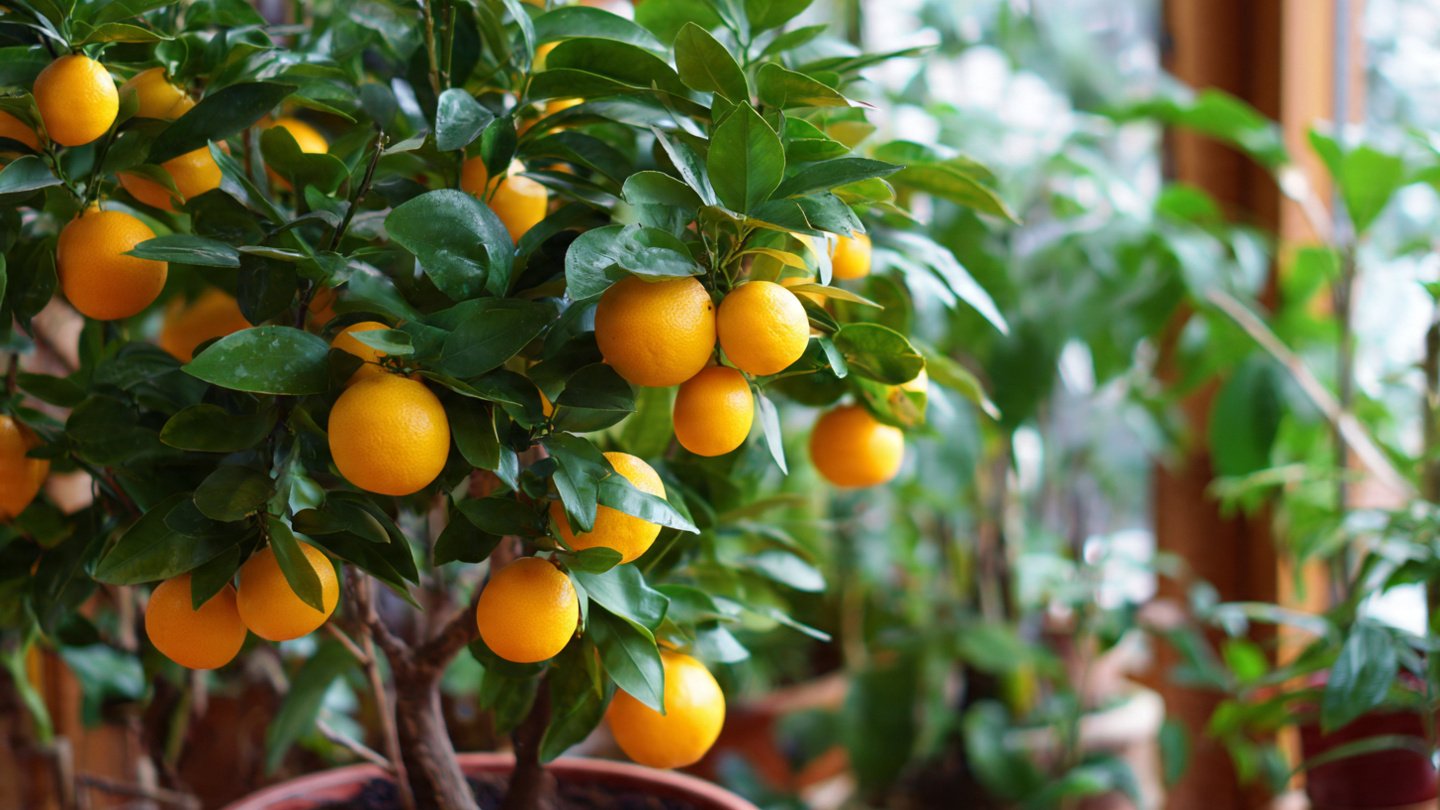
Imagine plucking a sun-kissed lemon, orange, or lime right from your indoor garden any time of year. Growing citrus indoors is no longer just a dream—it’s achievable with careful planning, the right varieties, and proper care. Creating your own indoor citrus grove from scratch offers not only the joy of harvesting fresh, flavorful fruits but also enhances your home with fragrance, greenery, and a touch of elegance. This guide provides detailed, step-by-step instructions to successfully cultivate citrus trees indoors, even if you are starting with nothing.
Why Grow Citrus Indoors?
Indoor citrus gardening has become increasingly popular for several reasons:
- Year-Round Harvest: Unlike outdoor trees that depend on seasonal climates, indoor citrus trees can produce fruit throughout the year.
- Space Efficiency: Dwarf and semi-dwarf varieties thrive in pots and small spaces, making them perfect for apartments or homes without gardens.
- Control Over Conditions: Indoor growth allows you to manage light, temperature, and water, reducing the risk of pests and diseases common outdoors.
- Aesthetic Value: Citrus trees add greenery, glossy leaves, and fragrant blossoms, enhancing interior décor.
- Health Benefits: Freshly harvested citrus fruits are rich in vitamin C and antioxidants, boosting immunity and overall wellness.
Selecting the Right Citrus Varieties
Not all citrus trees are suitable for indoor cultivation. Dwarf or container-friendly varieties are ideal, as they adapt well to pot life and limited space. Some popular options include:
- Meyer Lemon: Sweet, aromatic, and prolific, this dwarf variety is a favorite for indoor growers.
- Calamondin Orange: Produces small, tangy oranges and fragrant blossoms, perfect for indoor settings.
- Key Lime: Compact and easy to grow with consistently high fruit yield.
- Kaffir Lime: Known for aromatic leaves used in cooking, small enough for pots.
- Dwarf Orange Trees: Varieties like ‘Washington Navel’ or ‘Trovita’ work well indoors if provided enough light.
Choosing the right variety ensures higher chances of fruiting and easier management in confined indoor spaces.
Starting from Seeds or Saplings
You can grow citrus indoors either from seeds or young plants purchased from nurseries:
- Seeds:
- Extract seeds from fresh fruit, rinse thoroughly, and remove the outer coating.
- Plant seeds in a well-draining seed-starting mix, ½ inch deep.
- Keep the soil moist and warm (20–25°C) to encourage germination, which can take 2–4 weeks.
- Seed-grown trees may take several years to bear fruit and may not resemble the parent plant in flavor or size.
- Saplings or Grafted Plants:
- Purchasing dwarf saplings or grafted plants from nurseries is faster and more reliable for fruit production.
- Grafted trees retain parent characteristics, ensuring predictable fruit quality.
For a quicker indoor grove, starting with saplings is recommended, though seeds can be rewarding for gardeners seeking a longer-term project.
Choosing the Right Containers
Proper containers are critical for indoor citrus success. Consider the following:
- Size: Start with a 6–10 inch pot and gradually move to larger containers (15–20 inches) as the tree grows.
- Material: Terracotta, ceramic, or plastic pots work, but ensure they are stable and sturdy.
- Drainage: Make sure pots have adequate drainage holes to prevent waterlogging, which can lead to root rot.
Soil Requirements
Citrus trees require well-draining, slightly acidic soil with a pH between 6.0 and 7.0. Use a high-quality potting mix enriched with organic matter or a specialized citrus mix. A blend of peat moss, perlite, and compost works well for indoor containers, providing both aeration and nutrients for healthy growth.
Light Requirements
Citrus trees thrive in full sun, needing at least 8–12 hours of bright light per day. Indoors, this can be achieved through:
- South-Facing Windows: Place trees near large, sunlit windows to maximize natural light.
- Grow Lights: In low-light conditions or during winter, use full-spectrum LED grow lights to supplement sunlight.
- Rotation: Rotate trees weekly to ensure even light exposure and uniform growth.
Adequate light is crucial not only for foliage health but also for flower and fruit development.
Watering and Humidity
Indoor citrus trees need consistent moisture but do not tolerate soggy soil:
- Watering: Check the top inch of soil; water thoroughly when it begins to dry. Avoid letting roots sit in water.
- Humidity: Indoor environments can be dry, especially during winter. Mist leaves regularly or place a humidifier nearby to maintain relative humidity around 50–60%.
- Drainage Tips: Use saucers under pots to catch excess water while allowing proper drainage.
Fertilization and Nutrient Needs
Citrus trees are heavy feeders, especially when grown in pots:
- Balanced Fertilizer: Use a slow-release or liquid fertilizer designed for citrus, rich in nitrogen, potassium, and magnesium.
- Frequency: Feed every 4–6 weeks during the growing season (spring to early fall). Reduce feeding in winter when growth slows.
- Micronutrients: Ensure adequate iron, manganese, and zinc to prevent leaf yellowing and nutrient deficiencies.
Pruning and Shaping
Pruning helps maintain manageable size, encourages bushy growth, and improves airflow, reducing the risk of disease:
- Remove dead, damaged, or crossing branches.
- Pinch back tips to encourage lateral growth.
- Maintain an open canopy to allow sunlight penetration and support flower and fruit development.
Pollination and Flowering
Indoor citrus trees may require hand pollination to ensure fruit set, as natural pollinators may not be present indoors:
- Use a small paintbrush or cotton swab to transfer pollen from one flower to another.
- Pollinate every few days during the flowering season for optimal fruit production.
- Some dwarf varieties are self-pollinating, but hand pollination can increase yield.
Pest and Disease Management
Even indoors, citrus trees can encounter pests such as spider mites, aphids, and scale insects:
- Regularly inspect leaves and stems for pests.
- Use insecticidal soap, neem oil, or horticultural oils as organic solutions.
- Avoid overwatering, which can lead to root rot and fungal infections.
Harvesting Citrus Fruits
Harvest timing varies by variety, but generally:
- Fruits are ready when they have full color and slightly firm texture.
- Taste-testing a few fruits ensures optimum ripeness.
- Regular harvesting encourages new flower and fruit production.
Benefits of an Indoor Citrus Grove
- Fresh, Organic Fruits: Enjoy clean, pesticide-free citrus all year.
- Aromatic Environment: Blossoms and foliage release pleasant scents indoors.
- Educational Opportunity: Growing citrus offers a learning experience in plant care and propagation.
- Mental Wellbeing: Indoor gardening has been shown to reduce stress and boost mood.
Tips for Maximizing Success
- Choose dwarf varieties for easy indoor management.
- Provide consistent light and humidity.
- Use high-quality, well-draining soil.
- Rotate plants for even growth.
- Regularly inspect for pests and nutrient deficiencies.
- Be patient—indoor citrus trees may take 2–3 years to bear substantial fruit.
Conclusion
Creating an indoor citrus grove from scratch is a rewarding venture that combines practicality, beauty, and the pleasure of homegrown fruit. By carefully selecting dwarf varieties, providing optimal light, soil, and watering conditions, and managing pruning, fertilization, and pollination, you can cultivate healthy citrus trees that thrive indoors. Over time, your indoor grove can produce a bountiful harvest, fill your home with fragrance, and provide a constant supply of fresh, nutrient-rich fruits. Whether for aesthetic appeal, culinary use, or simply the joy of gardening, growing an indoor citrus grove brings nature closer to your living space and demonstrates the incredible potential of small-space indoor gardening.