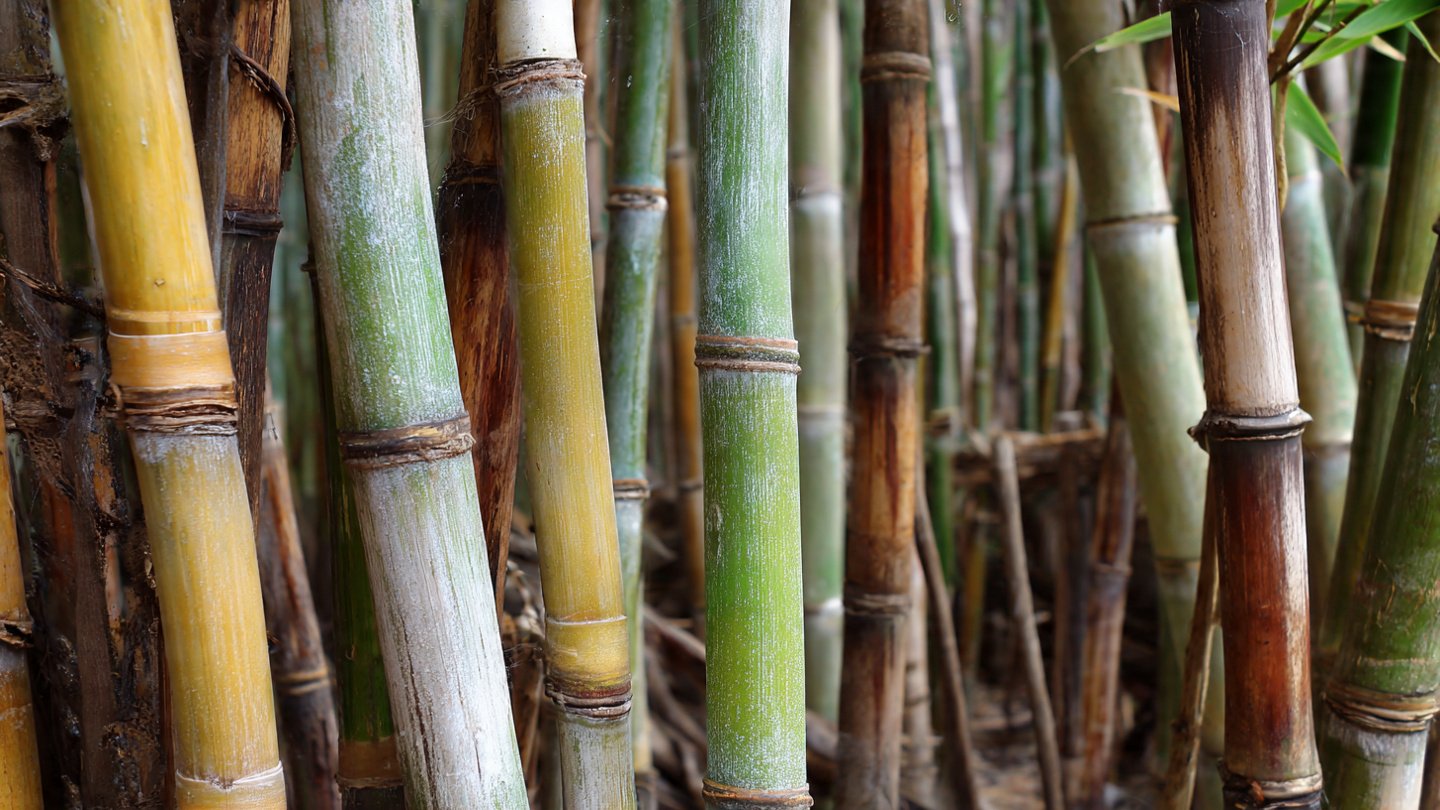
Bamboo is one of the most versatile and fast-growing plants you can cultivate in your garden. Beyond its ornamental appeal, bamboo offers practical benefits, particularly as natural garden stakes. Its strength, flexibility, and durability make it ideal for supporting vegetables, flowers, and climbing plants, while being environmentally friendly and cost-effective compared to metal or plastic stakes.
Growing bamboo specifically for garden stakes requires careful planning, proper care, and a little patience. With the right techniques, you can cultivate a reliable supply of sturdy bamboo poles while also enhancing the beauty and functionality of your garden. This guide provides detailed steps for successfully growing bamboo for your home garden.
Understanding Bamboo and Its Benefits
Bamboo belongs to the grass family (Poaceae) and is known for its rapid growth and hollow, woody stems called culms. Its versatility is unmatched: it can be used as fencing, construction material, decorative elements, and, most importantly for gardeners, as stakes.
Benefits of growing bamboo for garden stakes include:
- Sustainability: Bamboo is a renewable resource that grows quickly and can be harvested without killing the plant.
- Strength and Flexibility: Mature bamboo poles are strong enough to support heavy plants and flexible enough to bend without breaking.
- Cost-Effective: Once established, a bamboo grove provides a continuous supply of stakes for multiple seasons.
- Aesthetic Appeal: Bamboo adds a natural, tropical look to your garden.
By growing bamboo at home, you not only reduce dependence on purchased stakes but also cultivate an eco-friendly garden solution.
Choosing the Right Bamboo Species
Not all bamboo varieties are suitable for garden stakes. When selecting a species, consider growth habit, culm thickness, and hardiness:
- Clumping Bamboo (Sympodial): Grows in tight clusters, making it easier to manage and harvest for stakes. Examples: Bambusa multiplex, Bambusa ventricosa.
- Running Bamboo (Monopodial): Spreads rapidly via underground rhizomes. While prolific, it requires containment to prevent invasive growth. Examples: Phyllostachys aurea, Phyllostachys nigra.
- Culm Size: Choose species with straight, thick stems that are at least 1–2 inches in diameter for strong, durable stakes.
- Climate Compatibility: Select species suited to your local climate—tropical, subtropical, or temperate.
For most home gardeners, clumping bamboo is recommended because it is easier to manage, less invasive, and produces straight, usable stems.
Preparing the Planting Site
Bamboo thrives in fertile, well-draining soil with good sunlight. Consider the following when preparing your site:
- Soil: Loamy, slightly acidic to neutral soil (pH 6–7) is ideal. Enrich the soil with compost or aged manure for nutrients.
- Sunlight: Most bamboo species grow best in full sun to partial shade. Ensure the site receives at least 4–6 hours of sunlight daily.
- Space: Bamboo requires room to grow. Clumping species need less space than running varieties, but allow at least 3–5 feet between clumps for healthy growth.
- Drainage: Avoid waterlogged areas, as excessive moisture can lead to root rot and poor growth.
For urban or balcony gardens, bamboo can also be grown in large containers or raised beds with ample soil depth to accommodate root growth.
Planting Bamboo
Bamboo can be grown from seeds, rhizome divisions, or young plants. Seed propagation is slow and less practical for immediate use. Divisions and nursery plants provide faster establishment:
- Rhizome Division: Dig up a mature clump and separate 2–3 healthy shoots with attached roots. Ensure each division has at least 2–3 nodes.
- Nursery Plants: Purchase healthy bamboo plants or small clumps from a reputable nursery.
- Planting Process:
- Dig a hole twice the width of the root ball.
- Place the rhizome or plant in the hole, spreading roots evenly.
- Backfill with soil mixed with compost and firm gently to remove air pockets.
- Water thoroughly to settle the soil.
For container planting, choose a large, deep pot with drainage holes and use nutrient-rich potting soil.
Watering and Mulching
Bamboo requires consistent moisture, particularly during the first year of growth:
- Watering: Water regularly to keep the soil evenly moist but not soggy. Reduce watering in winter for dormant periods.
- Mulching: Apply a 2–3 inch layer of organic mulch (straw, leaves, or wood chips) around the base to retain moisture, suppress weeds, and regulate soil temperature.
Proper watering and mulching encourage strong root development, which is critical for producing thick, durable culms suitable for garden stakes.
Fertilization for Robust Growth
Bamboo is a fast-growing plant that thrives with regular feeding:
- Nitrogen-Rich Fertilizer: Nitrogen promotes leafy growth and healthy stems. Apply balanced fertilizer monthly during the growing season.
- Organic Fertilizer: Compost, aged manure, and liquid seaweed are excellent organic options to enhance soil fertility.
- Avoid Over-Fertilizing: Excess nitrogen encourages soft stems that may bend or break easily.
Fertilization supports the growth of strong, straight bamboo culms that can serve as reliable garden stakes.
Managing Growth and Harvesting
To produce garden stakes, focus on cultivating straight, mature bamboo culms:
- Pruning: Remove weak, crooked, or damaged culms to encourage the growth of tall, straight poles.
- Spacing: Thin crowded clumps to allow light and airflow, which promotes strong, straight stems.
- Harvesting: Culms are usually ready for harvest after 3–5 years, when they are fully mature, firm, and hardened. Cut with a sharp saw at the base, leaving younger shoots to continue growing.
Regular harvesting also stimulates new shoot production, ensuring a continuous supply of stakes.
Pests and Disease Management
Bamboo is relatively hardy but may face occasional pests or diseases:
- Pests: Aphids, bamboo mites, and borers can affect leaves or stems. Use neem oil or insecticidal soap as needed.
- Diseases: Fungal infections like leaf spot can occur in humid conditions. Proper spacing, good drainage, and removing infected leaves prevent outbreaks.
Healthy bamboo, maintained with proper care, rarely suffers significant damage.
Using Bamboo as Garden Stakes
Once harvested, bamboo stakes are versatile and durable:
- Vegetable Support: Use stakes for tomatoes, beans, peas, or climbing flowers.
- Plant Training: Train vines and young plants using bamboo poles for vertical growth.
- Decorative Structures: Bamboo can create trellises, arches, or fencing for garden aesthetics.
Cut stakes to the desired length and, if necessary, smooth rough edges with sandpaper to prevent damage to plants.
Advantages of Growing Your Own Bamboo
Cultivating bamboo for stakes offers multiple benefits:
- Cost Savings: Reduces the need to purchase commercial stakes repeatedly.
- Eco-Friendly: Bamboo is renewable, biodegradable, and reduces reliance on plastic or metal supports.
- Continuous Supply: Once established, bamboo produces a sustainable source of strong poles year after year.
- Garden Enhancement: Adds greenery, provides shade, and can create natural windbreaks or privacy screens.
Growing bamboo in your garden combines practicality with beauty, providing both functional stakes and ornamental value.
Conclusion
Growing bamboo for garden stakes is a rewarding, sustainable, and practical gardening project. By selecting the right species, preparing the soil properly, providing consistent water and nutrients, and managing growth effectively, you can cultivate a reliable source of strong, durable bamboo poles.
With patience and care, a home-grown bamboo grove not only supplies garden stakes for vegetables, flowers, and climbing plants but also enhances your garden’s beauty, provides privacy, and contributes to a more eco-friendly lifestyle. Cultivating bamboo is an investment in both the functionality and aesthetics of your outdoor space, making it a must-try for any home gardener.