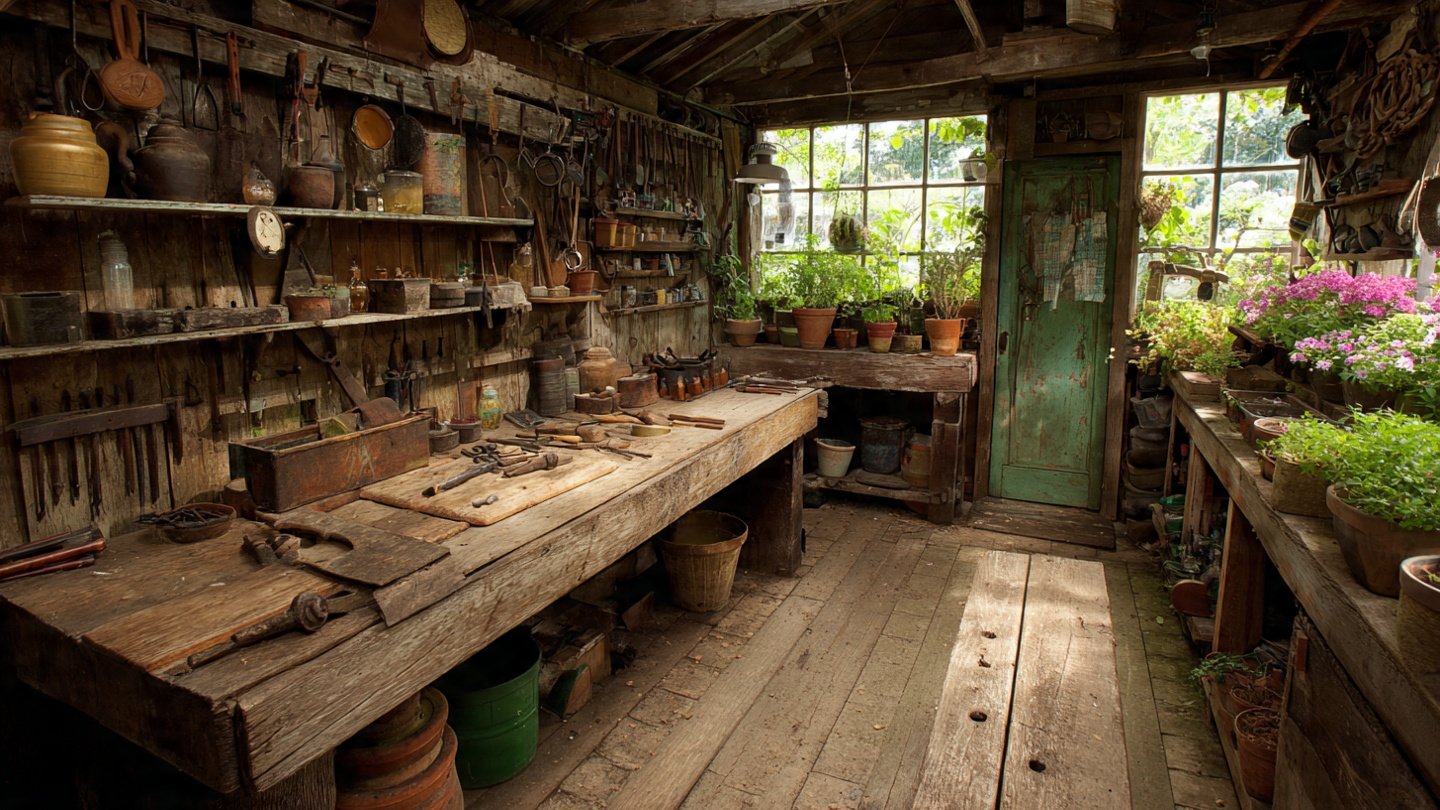
A garden shed can quickly become a cluttered, dusty, and chaotic space if not properly maintained. Tools, fertilizers, pots, and garden accessories often accumulate, creating disorganization and making it difficult to find what you need. A well-organized and dust-free garden shed not only enhances efficiency but also prolongs the lifespan of your tools and ensures a more pleasant gardening experience.
While there may not be a “hidden method,” achieving an impeccably organized and dust-free garden shed is possible with careful planning, proper storage solutions, and consistent maintenance. This comprehensive guide provides step-by-step strategies to transform your shed into a tidy, functional, and dust-free haven for all your gardening needs.
Why Organizing and Dust-Proofing Your Shed Matters
Before diving into practical tips, it’s important to understand why maintaining a clean and organized shed is essential:
- Efficiency: Knowing where every tool and accessory is saves time and reduces frustration.
- Tool longevity: Dust and moisture can corrode metal tools or damage wooden handles.
- Safety: A cluttered shed increases the risk of trips, falls, or accidental injuries.
- Aesthetics: A clean shed creates a sense of satisfaction and pride in your garden space.
By prioritizing organization and cleanliness, your shed becomes a functional and enjoyable extension of your garden.
Planning Your Shed Organization
Effective organization starts with a plan. Before moving tools or accessories, take inventory and assess your storage needs.
Steps to plan:
- Declutter: Remove everything from the shed and sort items into categories: keep, donate, or discard.
- Assess space: Measure your shed to determine wall space, shelving needs, and floor area.
- Categorize items: Group tools by type—hand tools, power tools, fertilizers, seeds, pots, watering equipment, and garden decor.
- Prioritize accessibility: Store frequently used items within easy reach and seasonal or rarely used items in higher or less accessible spaces.
A detailed plan helps maximize your shed’s functionality and makes the cleaning process simpler.
Storage Solutions for an Organized Shed
Using the right storage solutions ensures your shed stays neat and accessible:
1. Shelving Units
- Metal or wooden shelves provide vertical storage.
- Adjustable shelves accommodate items of varying heights.
- Label shelves for easy identification of tools and accessories.
2. Pegboards and Hooks
- Pegboards are perfect for hanging hand tools, hoses, and garden scissors.
- Hooks can hold heavy items like rakes, shovels, and ladders.
- Organize by type and size for quick retrieval.
3. Bins and Containers
- Stackable plastic bins protect items from dust and moisture.
- Clear bins allow you to see contents at a glance.
- Label each bin to simplify locating items.
4. Tool Racks and Holders
- Wall-mounted or freestanding racks keep long-handled tools upright.
- Magnetic strips can hold metal hand tools securely.
- A combination of racks and holders minimizes clutter on the floor.
5. Cabinets and Lockable Storage
- Cabinets provide concealed storage for fertilizers, chemicals, or power tools.
- Lockable units keep hazardous items out of reach of children or pets.
Using a mix of these storage solutions ensures both organization and easy accessibility.
Dust-Proofing Techniques
Even the most organized shed can become dusty over time. Implementing preventive measures keeps dust and debris under control:
1. Seal Gaps and Cracks
- Inspect the shed for gaps around windows, doors, or walls.
- Use weatherstripping or caulking to prevent dust from entering.
2. Elevate Storage
- Keep bins and containers off the floor using shelves or pallets.
- Reduces dust accumulation and protects items from damp floors.
3. Use Closed Containers
- Store seeds, fertilizers, and small tools in sealed containers.
- Keeps contents clean and reduces exposure to dust.
4. Install Air Circulation
- Proper ventilation prevents stagnant air, which can worsen dust buildup.
- Small exhaust fans or vented windows improve airflow.
5. Regular Cleaning
- Sweep or vacuum the floor weekly.
- Dust shelves, pegboards, and containers with a microfiber cloth.
- Wipe tools with a dry cloth before returning them to storage.
Consistency is key—small, regular cleaning sessions prevent dust from accumulating.
Zoning Your Shed for Maximum Efficiency
Dividing your shed into functional zones makes it easier to maintain organization:
- Tool Zone: Keep hand tools, power tools, and protective gear together.
- Planting Zone: Dedicate a shelf or workbench for seeds, pots, soil, and fertilizers.
- Watering Zone: Store hoses, watering cans, and irrigation supplies in one area.
- Seasonal Zone: Keep garden decor, lights, or specialty tools stored for specific seasons.
Zoning reduces clutter, streamlines workflow, and helps you locate items quickly.
Implementing a Maintenance Routine
Maintaining an organized, dust-free shed requires consistent effort.
Routine maintenance tips:
- Sweep or vacuum weekly to remove dirt and debris.
- Inspect tools for rust or damage and perform repairs as needed.
- Reorganize bins or shelves seasonally to accommodate new items.
- Rotate seasonal tools or materials to keep frequently used items accessible.
- Perform a deep clean every 6–12 months, wiping down surfaces and reorganizing storage.
A consistent maintenance schedule prevents your shed from becoming chaotic over time.
Additional Tips for a Functional Shed
- Lighting: Install bright, energy-efficient lights for better visibility.
- Floor Mats: Use rubber or plastic mats to reduce dirt and dust accumulation.
- Hooks for Small Items: Hang gloves, aprons, or small tools for easy access.
- Label Everything: Clearly marked labels save time and reduce frustration.
- Foldable Furniture: Use foldable workbenches or stools to save space.
Incorporating these details enhances both functionality and cleanliness.
Benefits of an Organized and Dust-Free Shed
A well-maintained garden shed provides multiple advantages:
- Efficiency: Quickly locate and access tools and materials.
- Durability: Tools last longer without exposure to dust and moisture.
- Safety: Reduces the risk of accidents or injuries.
- Aesthetic Appeal: A neat shed is visually pleasing and satisfying to work in.
- Productivity: Easier organization leads to smoother, more enjoyable gardening sessions.
By investing time and effort into organization and dust prevention, your shed becomes a productive and enjoyable workspace.
Final Thoughts
While there may not be a single hidden method, achieving an impeccably organized and dust-free garden shed is entirely possible. Planning, decluttering, investing in proper storage solutions, and implementing regular cleaning routines are key. By zoning your shed, using containers and shelves effectively, sealing gaps, and keeping tools maintained, you create a functional, tidy, and low-maintenance space.
A well-organized shed not only protects your tools and materials but also elevates your gardening experience, making it more enjoyable and efficient. With the strategies outlined in this guide, any gardener can transform their garden shed into a clean, organized, and dust-free oasis that supports productivity and enhances the overall joy of gardening.