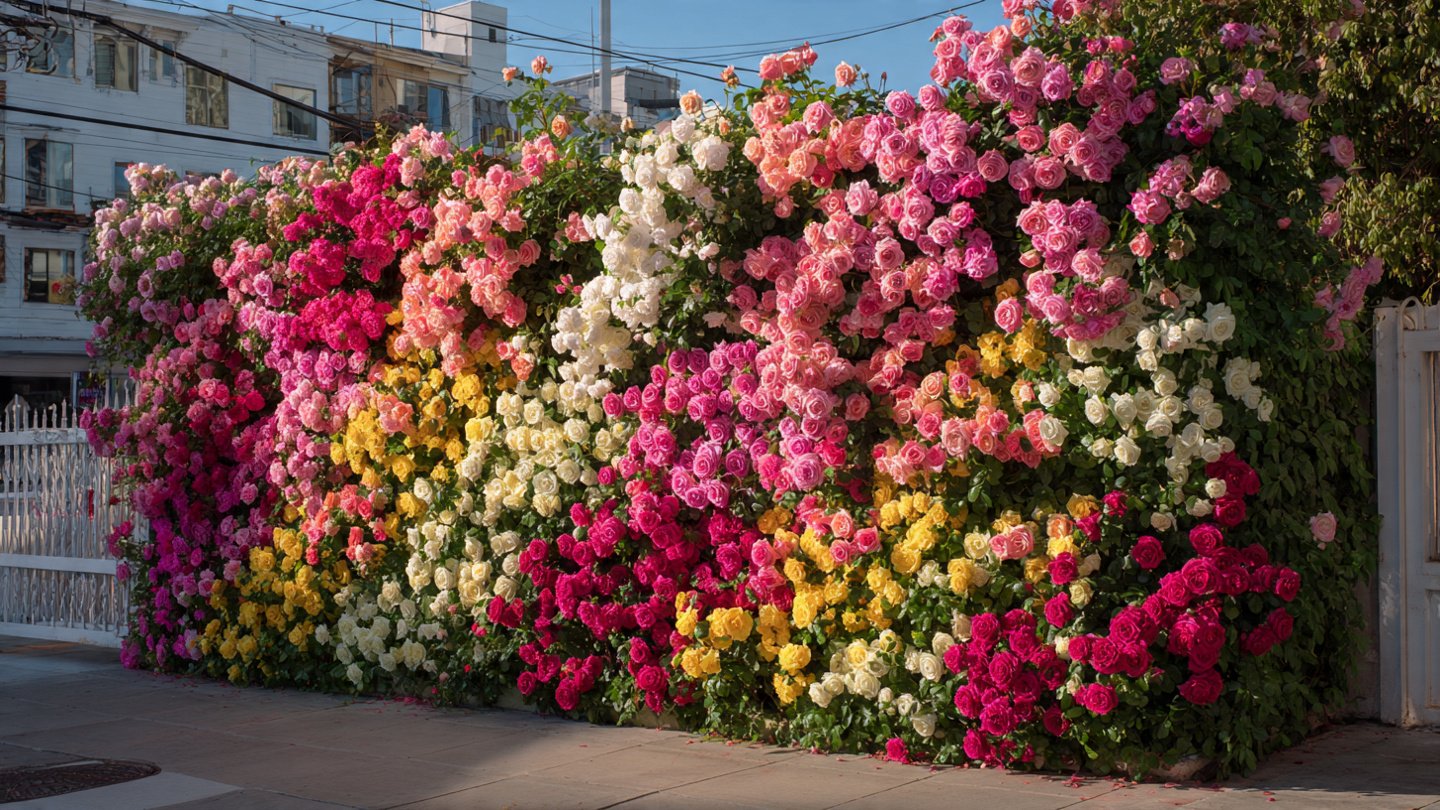
Roses have long been celebrated as the stars of the garden, admired for their fragrance, elegance, and wide range of colors. While most gardeners imagine roses growing in traditional beds or bushes, vertical rose gardening is an increasingly popular way to transform blank walls into living works of art. If you have a sunny wall and a love for roses, you already have the perfect foundation for a thriving vertical garden. With the right planning, plant selection, and care, your wall can bloom into a stunning cascade of flowers.
Why Choose a Vertical Rose Garden?
Vertical gardening offers both aesthetic and practical benefits. Training roses to grow upward saves valuable ground space, making it ideal for small gardens, courtyards, or urban homes. A rose-covered wall can soften harsh architectural lines, provide privacy, reduce heat absorption on sun-exposed walls, and create a breathtaking focal point. Roses, when grown vertically, also benefit from improved air circulation, which helps reduce common fungal diseases.
Choosing the Right Roses for Vertical Growth
Not all roses are suitable for vertical gardening. The best choices are climbing roses and rambling roses, which naturally produce long, flexible canes designed to grow upward or spread across structures. Climbing roses are especially popular for walls because they flower repeatedly throughout the season and can be trained neatly. Look for varieties that thrive in full sun and are known for strong stems and disease resistance.
Color selection also matters. Lighter shades such as white, peach, or pale pink reflect sunlight and brighten walls, while deeper reds and purples create a dramatic, romantic effect. Mixing complementary colors can add depth and visual interest, but sticking to a cohesive palette often produces a more elegant result.
Evaluating and Preparing Your Sunny Wall
Sun exposure is one of the most critical factors for success. Roses need at least six to eight hours of direct sunlight daily to bloom abundantly. A south- or west-facing wall is ideal, as it provides warmth and consistent light. However, intense heat reflected from walls can dry out plants quickly, so soil preparation and watering strategies are essential.
Before planting, inspect the wall surface. Ensure it is structurally sound and capable of supporting trellises or wire systems. Avoid attaching supports directly against the wall; leaving a small gap allows air circulation and prevents moisture buildup that could damage both plants and masonry.
Installing a Support System
Roses cannot climb on their own like ivy. They need a strong support system to guide their growth. Popular options include trellises, horizontal wire systems, metal grids, or wooden lattice panels. Horizontal wires spaced about 12 to 18 inches apart work especially well, as roses bloom more freely when their canes are trained sideways rather than straight up.
Secure all supports firmly, as mature rose plants can become surprisingly heavy. Planning the support system before planting ensures that you won’t disturb roots later.
Planting for Long-Term Success
Healthy soil is the backbone of any successful rose garden. Roses prefer rich, well-draining soil with plenty of organic matter. Before planting, amend the soil with compost or well-rotted manure to improve structure and fertility. Dig a generous planting hole, allowing roots to spread easily.
Space plants adequately to prevent overcrowding. Good spacing improves airflow and reduces disease risk. After planting, water thoroughly to settle the soil and eliminate air pockets.
Training Roses to Grow Vertically
Training is the key to creating a lush, evenly covered wall. As new canes grow, gently tie them to the support structure using soft garden ties or fabric strips. Avoid tight bindings that can damage stems as they thicken. Encourage horizontal or diagonal growth whenever possible, as this stimulates more flowering shoots along the cane.
Regular monitoring helps you guide growth early, preventing tangled or awkward canes later. With patience, your wall will gradually fill in with balanced, graceful coverage.
Watering and Feeding Your Vertical Roses
Roses growing near walls may dry out faster than those in open ground. Deep, consistent watering is essential, especially during hot weather. Water at the base of the plant to keep leaves dry and reduce disease risk. Mulching with organic material helps retain moisture and regulate soil temperature.
Feeding roses regularly supports vigorous growth and abundant blooms. Use a balanced rose fertilizer during the growing season, following recommended schedules. Organic options such as compost tea or slow-release fertilizers provide steady nourishment without overwhelming the plant.
Pruning and Maintenance
Pruning keeps vertical roses healthy, productive, and visually appealing. Remove dead, damaged, or crossing canes to improve airflow and shape. Annual pruning encourages fresh growth and better flowering. Throughout the season, deadheading spent blooms redirects energy into new flowers rather than seed production.
Keep an eye out for pests and diseases. Aphids, spider mites, and fungal issues can appear, especially in warm conditions. Early detection and gentle, eco-friendly treatments help maintain plant health without harming beneficial insects.
Enhancing the Visual Impact
A vertical rose garden becomes even more striking when paired with complementary plants. Low-growing perennials or ground covers at the base of the wall add texture and color while helping retain soil moisture. Herbs or flowering companions can also attract pollinators, enhancing the overall ecosystem of your garden.
Lighting can further elevate your display. Soft outdoor lights directed at the roses in the evening highlight blooms and create a magical nighttime atmosphere.
Final Thoughts
Creating a thriving vertical garden of roses on a sunny wall is both an art and a rewarding gardening project. With the right rose varieties, strong support systems, proper training, and consistent care, your wall can transform into a living tapestry of color and fragrance. Vertical rose gardening not only maximizes space but also turns ordinary structures into extraordinary garden features.
By investing time and attention into your rose wall, you’ll enjoy seasons of breathtaking blooms and the satisfaction of growing roses in a way that is both practical and visually stunning. Your sunny wall has the potential to become the most beautiful part of your garden—one rose at a time.