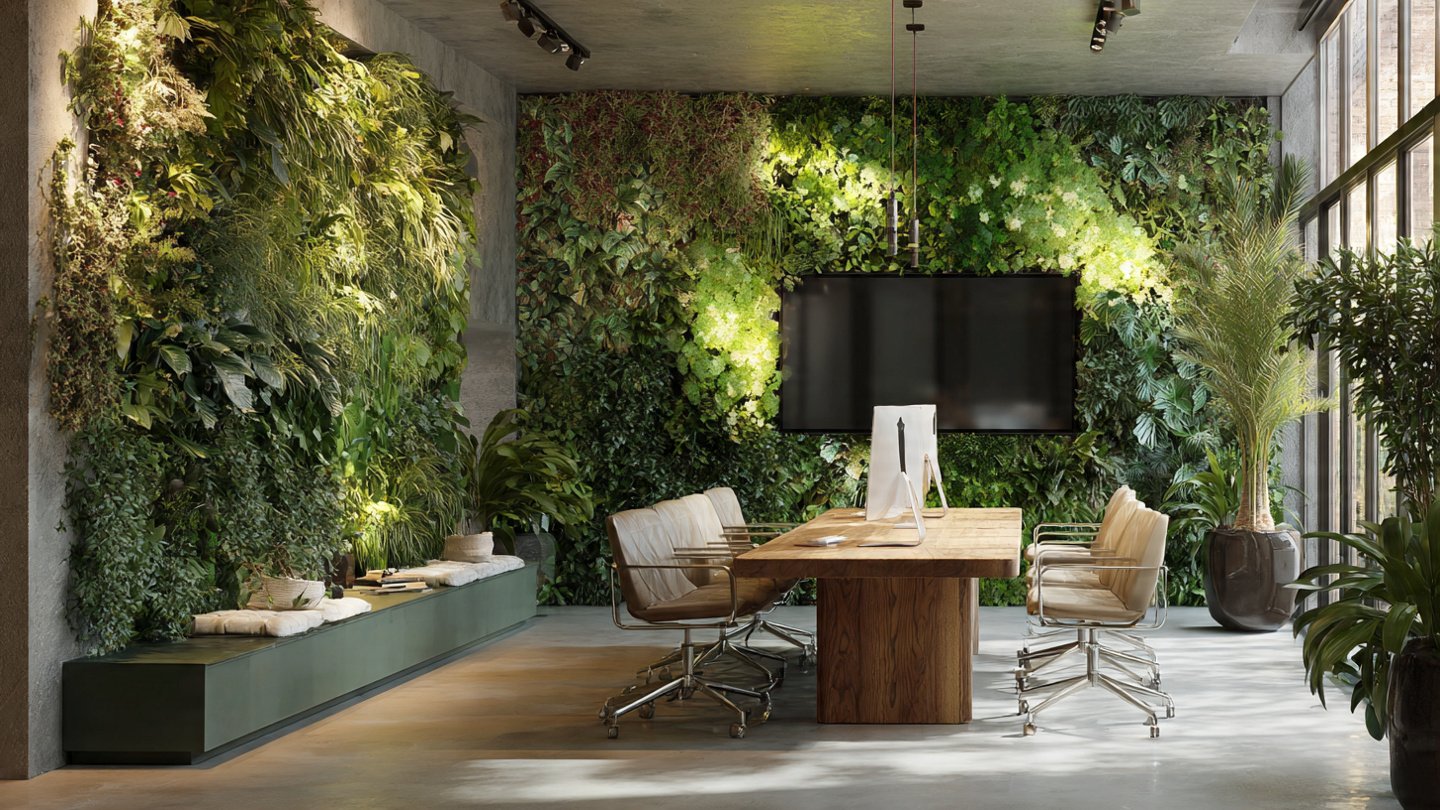
As remote work becomes the norm, the home office has evolved from a temporary setup into a permanent workspace. Video calls, virtual meetings, and online presentations are now daily routines. Yet many people struggle with one persistent problem: poor sound quality. Echoes, background noise, and hollow acoustics can make even the most professional conversations sound amateur. Surprisingly, one of the most effective and visually appealing solutions is a green wall. Beyond its aesthetic appeal, a green wall can dramatically improve your home office acoustics, creating a quieter, more focused environment for better Zoom calls.
Understanding the Acoustic Problem in Home Offices
Most home offices are not designed with sound control in mind. Hard surfaces like walls, desks, windows, and floors reflect sound waves, causing echoes and reverberation. During video calls on Zoom, these reflections can distort your voice, making it sound distant or unclear to others. Traditional acoustic panels solve this problem, but they often look industrial or out of place in a home setting. A green wall offers a natural alternative that blends performance with style.
What Is a Green Wall?
A green wall, also known as a living wall or vertical garden, is a wall partially or fully covered with plants. These plants may be rooted in soil, modular panels, or hydroponic systems. While green walls are commonly used in offices, hotels, and commercial spaces, they are becoming increasingly popular in homes—especially in work-from-home environments where aesthetics and functionality must coexist.
How Green Walls Improve Acoustics
The secret behind a green wall’s acoustic performance lies in its layered structure. Leaves, stems, soil, and the air pockets between them work together to absorb and diffuse sound waves. Instead of bouncing back into the room, sound energy is softened and dispersed. This reduces echo, shortens reverberation time, and makes speech clearer.
Unlike flat walls that reflect sound directly, plant surfaces are irregular. This irregularity scatters sound waves in multiple directions, minimizing harsh reflections. The result is a warmer, more balanced acoustic environment—ideal for video conferencing and voice-based work.
Better Speech Clarity During Calls
Clear communication is essential during virtual meetings. A green wall positioned behind or beside your desk can significantly enhance how your voice is captured by your microphone. By reducing reflections from nearby walls, your voice sounds more direct and natural to listeners on the other end of the call. This improvement is especially noticeable in smaller rooms where sound tends to bounce aggressively.
For professionals who frequently lead meetings, give presentations, or record content, this upgrade can make a substantial difference in perceived professionalism and confidence.
Noise Reduction and Focus
Home offices are often exposed to background noise—from household activity to traffic or neighboring rooms. While a green wall won’t completely soundproof your space, it can reduce ambient noise levels by absorbing mid- and high-frequency sounds. This creates a calmer environment that helps you focus and reduces listener fatigue during long calls.
The psychological effect of greenery also plays a role. Studies show that plants reduce stress and improve concentration. When your workspace feels calmer, your voice naturally becomes steadier and more confident during calls.
Aesthetic Benefits Without Compromise
One of the biggest advantages of a green wall over traditional acoustic solutions is its appearance. Foam panels and fabric boards often clash with home décor. A green wall, on the other hand, enhances your background during video calls. It creates a clean, professional, and visually pleasing backdrop that signals care and intention.
This is particularly useful if you keep your camera on during meetings. A lush vertical garden behind you projects creativity, calmness, and sophistication—qualities that leave a lasting impression on colleagues and clients.
Choosing the Right Plants for Acoustic Performance
Not all plants perform equally when it comes to sound absorption. For best results, choose plants with broad, dense leaves and varied textures. Plants that grow thickly and create layered foliage absorb sound more effectively than sparse or thin-leaved varieties.
Low-maintenance plants are ideal for home offices, as they thrive indoors with minimal care. The denser the plant coverage, the greater the acoustic benefit, so aim for a design that minimizes exposed wall surface.
Placement Matters
Strategic placement is key to maximizing acoustic impact. The most effective position for a green wall is on the wall directly behind your desk or on a side wall where sound reflections are strongest. If your voice tends to echo, placing the green wall opposite your microphone can help absorb reflected sound before it returns.
Even a partial green wall or vertical plant panel can make a noticeable difference. If space is limited, modular green wall systems or hanging plant grids offer flexibility without requiring a full wall installation.
Maintenance and Practical Considerations
Modern green walls are easier to maintain than many people expect. Many systems are designed with built-in irrigation or self-watering features. For those who prefer a simpler approach, preserved moss walls or artificial green walls can still offer acoustic benefits while eliminating maintenance altogether.
Lighting is another factor to consider. Most indoor plants require indirect light, so positioning your green wall near a window or supplementing with grow lights ensures long-term health and vibrancy.
Sustainability and Long-Term Value
A green wall is not just a short-term fix—it’s a long-term investment in both your workspace and well-being. Plants improve air quality, regulate humidity, and create a healthier indoor environment. Compared to disposable acoustic products, a green wall offers lasting value while aligning with sustainable design principles.
Over time, the combination of improved acoustics, enhanced focus, and visual appeal can positively impact productivity and job satisfaction.
Conclusion
If your home office suffers from echo, noise, or uninspiring design, a green wall may be the solution you didn’t know you needed. By absorbing sound, reducing reflections, and improving speech clarity, a green wall creates a more professional acoustic environment for better Zoom calls. At the same time, it transforms your workspace into a calming, visually appealing area that supports focus and creativity.
In a world where virtual communication defines success, investing in your sound environment is just as important as your internet connection. A green wall offers a rare combination of beauty, function, and wellness—making it one of the smartest upgrades you can make to your home office.