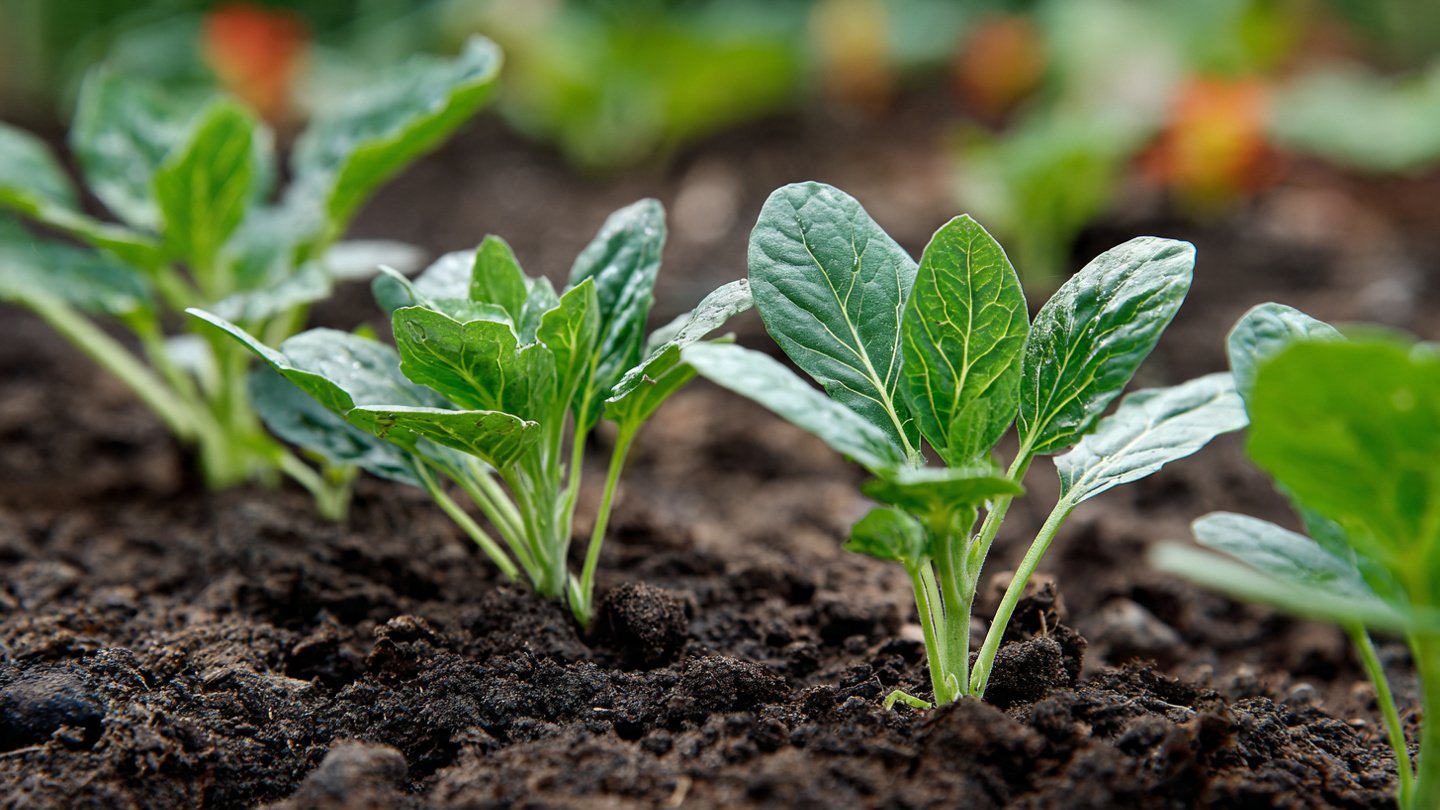
Starting a garden from seeds is always an exciting journey, but it comes with challenges. Young seedlings are particularly vulnerable to pests, diseases, and environmental stress. One time-tested, natural strategy to protect your delicate plants is companion planting—the practice of strategically growing certain plants together to enhance growth, deter pests, and improve soil health. By understanding how companion planting works, gardeners can create a thriving ecosystem that safeguards their young seedlings without relying on harsh chemicals.
Understanding Companion Planting
Companion planting is more than just placing two plants near each other. It is a deliberate approach that considers the interactions between plants and their environment. Certain plants release chemical compounds from their leaves, roots, or flowers that repel harmful insects or attract beneficial ones. Others improve soil quality, provide shade, or act as physical barriers, protecting vulnerable seedlings from harsh weather conditions.
For example, planting marigolds near tomatoes is a classic companion planting strategy. Marigolds release natural compounds that deter nematodes and certain insect pests, giving tomato seedlings a better chance to grow healthy and strong. Similarly, basil planted alongside tomatoes can improve flavor while repelling mosquitoes and flies.
Protecting Against Pests
One of the primary benefits of companion planting is natural pest control. Young seedlings are often targeted by insects like aphids, cutworms, or flea beetles. By strategically pairing plants, gardeners can create an environment that pests find confusing or unappealing.
- Repellent plants: Some plants naturally repel pests. For instance, onions and garlic can discourage aphids, while nasturtiums act as a trap crop, attracting aphids away from more valuable seedlings.
- Attracting beneficial insects: Certain flowers and herbs, such as yarrow, dill, and fennel, attract predatory insects like ladybugs, lacewings, and parasitic wasps that feed on harmful pests. By drawing these allies close to your young seedlings, you create a natural protective shield.
- Physical barrier plants: Tall or bushy plants can act as physical shields. Corn, sunflowers, or bush beans planted near delicate seedlings can help obscure them from pests or protect them from strong winds.
Enhancing Soil and Nutrients
Companion planting also plays a crucial role in soil health, which is essential for robust seedling growth. Certain plants can improve nutrient availability and prevent soil-borne diseases:
- Nitrogen fixers: Legumes, such as peas and beans, have a symbiotic relationship with nitrogen-fixing bacteria in their roots. When planted near young leafy greens, they naturally enrich the soil, reducing the need for synthetic fertilizers.
- Dynamic accumulators: Plants like comfrey and borage draw nutrients from deep within the soil and make them available for neighboring plants. This can be particularly beneficial for seedlings that require nutrient-rich soil to establish strong roots.
- Allelopathic benefits: Some plants, such as marigolds, release compounds that suppress harmful soil pathogens, protecting seedlings from diseases like root rot.
Microclimate and Growth Support
Young seedlings are delicate, and their microenvironment can significantly impact survival rates. Companion planting can create favorable microclimates that shield seedlings from extreme conditions.
- Shade and wind protection: Taller companion plants can provide partial shade, preventing seedlings from drying out in harsh sunlight. Similarly, dense foliage can act as a windbreak, reducing stress on fragile plants.
- Moisture retention: Ground-cover plants like clover or creeping thyme help maintain soil moisture, which is critical for seedlings that have shallow root systems.
- Support for climbing seedlings: Some plants naturally provide physical support. For instance, planting beans near corn allows beans to climb the sturdy stalks while protecting the corn from weed growth.
Designing a Companion Planting Plan
Creating an effective companion planting plan requires careful thought. Here are steps to consider:
- Identify vulnerable seedlings: Determine which plants in your garden need the most protection from pests, diseases, or environmental stress.
- Research compatible companions: Learn which plants have mutually beneficial relationships. Resources such as gardening books, seed catalogs, or trusted online databases provide detailed companion planting charts.
- Plan your layout: Consider plant height, growth habits, and nutrient needs. Avoid crowding seedlings, as overcrowding can lead to competition for light and nutrients.
- Incorporate diversity: A mix of flowering plants, herbs, and vegetables can attract beneficial insects and create a balanced ecosystem that naturally protects seedlings.
- Monitor and adjust: Companion planting is dynamic. Observe plant interactions throughout the season and make adjustments as necessary to optimize protection and growth.
Common Companion Planting Pairings for Seedling Protection
- Tomatoes and Basil: Enhances growth, improves flavor, and repels pests.
- Carrots and Onions: Onion scent masks carrot roots from carrot flies.
- Cabbage and Dill: Dill attracts predatory insects that feed on cabbage pests.
- Lettuce and Nasturtium: Nasturtium acts as a trap crop, drawing aphids away from lettuce seedlings.
- Cucumbers and Marigolds: Marigolds repel nematodes and deter cucumber beetles.
The Environmental Advantage
Beyond protecting seedlings, companion planting contributes to sustainable gardening. By reducing reliance on chemical pesticides and fertilizers, gardeners support biodiversity and minimize environmental impact. Beneficial insects thrive, soil health improves, and the garden becomes more resilient to natural stresses. This holistic approach not only safeguards young plants but also enhances the overall ecosystem of your garden.
Conclusion
Companion planting is a simple yet powerful technique to protect young seedlings naturally. By combining plants with complementary properties—whether for pest deterrence, nutrient enhancement, or microclimate creation—gardeners can create a thriving, resilient garden. Starting seedlings can be nerve-wracking, but with the right companions, your young plants will have a strong foundation to grow into healthy, productive adults.
By embracing this age-old gardening wisdom, you don’t just protect your seedlings—you cultivate a garden that works in harmony with nature, reducing chemicals, attracting helpful wildlife, and ultimately producing stronger, more vibrant plants. So next time you sow seeds, think strategically about their neighbors. Your seedlings—and the planet—will thank you.